THE ADVENTURE COLLECTIVE® · Independent discovery and booking for outdoor travel

Run accessible Class II–III rapids on the Sarapiquí River with guides, fruit stops and a local lunch. Family-friendly and close to Arenal, this full-day trip blends wildlife viewing with manageable whitewater. Perfect for first-time rafters who want a rainforest river day.
Run accessible Class II–III rapids on the Sarapiquí River with guides, fruit stops and a local lunch. Family-friendly and close to Arenal, this full-day trip blends wildlife viewing with manageable whitewater. Perfect for first-time rafters who want a rainforest river day.
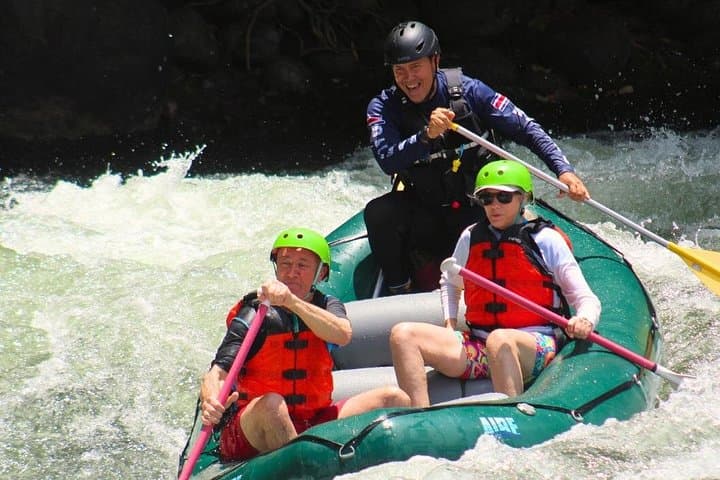
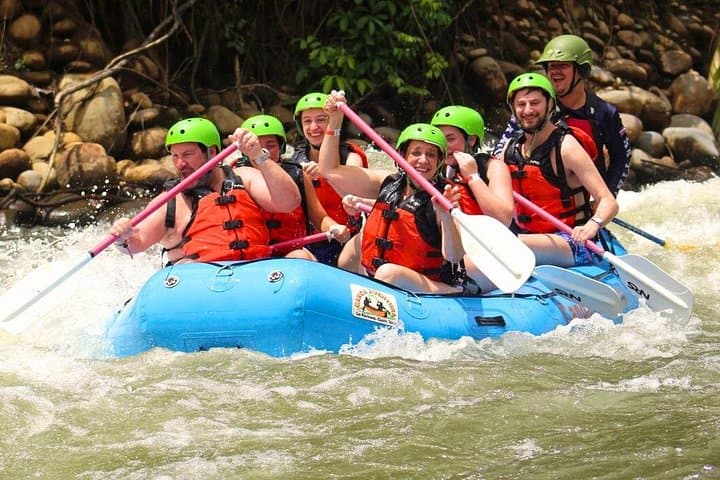
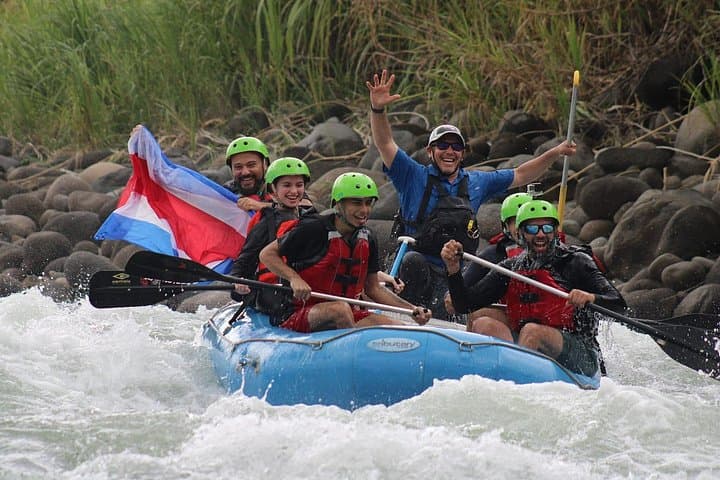
The raft cuts a white line through the olive-green river as rainforest rises on either bank, leaves flicking with kingfishers and the occasional call of a howler monkey. Guides run through last-minute commands, paddle blades glinting in the sun, and the current, playful but purposeful, begins to push the boat toward the first set of Class II rapids.
Verified experiences and guided adventures in the surrounding area.
Operated by Canoa Aventura · Puerto Viejo de Sarapiquí, Heredia
The raft cuts a white line through the olive-green river as rainforest rises on either bank, leaves flicking with kingfishers and the occasional call of a howler monkey. Guides run through last-minute commands, paddle blades glinting in the sun, and the current, playful but purposeful, begins to push the boat toward the first set of Class II rapids.
This section of the Sarapiquí has long drawn travelers seeking accessible whitewater. Geologically, the river runs off the Central Volcanic Mountain Range, carrying volcanic sediments that shape its cobbled shallows and riffles. The valley around Sarapiquí has a history of cattle ranching, banana plantations and smallholder farms; today eco-tourism and river stewardship are key to local livelihoods. Expect to see riparian forest and roadside farms; guides often point out medicinal plants and local fruit trees during shore breaks.
Practical guidance is straightforward: the trip is family-friendly (minimum age 7) but active — you’ll paddle, brace and occasionally get splashed. Wear quick-drying clothes, secure water shoes, a hat and reef-safe sunscreen. Bring a reusable water bottle (many operators require it), a small dry bag for phone/camera and motion-sickness meds if you’re prone. The itinerary typically includes a fruit stop on a riverbank and a local lunch at a nearby restaurant after rafting.
Timing matters: mornings are cooler and river levels are calmer after dry spells. Follow guide instructions, respect wildlife, and carry out all trash. This is rafting with an edge of Costa Rican jungle — lively, accessible and very much outdoors.
moderate.
8 hours.
Suitable for most fitness levels; participants should be comfortable sitting, paddling intermittently and following safety instructions.
The tour accepts children from 7 years old; guardians should assess a child’s comfort with water and follow guide instructions.
No formal swimming skills are required; participants should be comfortable in water and able to follow safety and paddling commands—life jackets are provided.
Yes, transportation from La Fortuna to the Sarapiquí section and back is typically included as part of the tour's logistics.
Bring any personal snacks or dietary specifics, but the trip includes a typical local lunch; cash for extras and tips is recommended.
The Sarapiquí valley shifted from plantation economies to eco-tourism over recent decades; river transport and smallholder agriculture shaped local settlements.
Operators emphasize minimizing plastic, using reusable bottles and staying on designated paths to protect riparian forest and fragile riverbanks.
Canoa Aventura operates guided outdoor trips and adventures with an emphasis on safety, stewardship, and memorable experiences.
The raft cuts a white line through the olive-green river as rainforest rises on either bank, leaves flicking with kingfishers and the occasional call of a howler monkey. Guides run through last-minute commands, paddle blades glinting in the sun, and the current, playful but purposeful, begins to push the boat toward the first set of Class II rapids.
The raft cuts a white line through the olive-green river as rainforest rises on either bank, leaves flicking with kingfishers and the occasional call of a howler monkey. Guides run through last-minute commands, paddle blades glinting in the sun, and the current, playful but purposeful, begins to push the boat toward the first set of Class II rapids.
This section of the Sarapiquí has long drawn travelers seeking accessible whitewater. Geologically, the river runs off the Central Volcanic Mountain Range, carrying volcanic sediments that shape its cobbled shallows and riffles. The valley around Sarapiquí has a history of cattle ranching, banana plantations and smallholder farms; today eco-tourism and river stewardship are key to local livelihoods. Expect to see riparian forest and roadside farms; guides often point out medicinal plants and local fruit trees during shore breaks.
Practical guidance is straightforward: the trip is family-friendly (minimum age 7) but active — you’ll paddle, brace and occasionally get splashed. Wear quick-drying clothes, secure water shoes, a hat and reef-safe sunscreen. Bring a reusable water bottle (many operators require it), a small dry bag for phone/camera and motion-sickness meds if you’re prone. The itinerary typically includes a fruit stop on a riverbank and a local lunch at a nearby restaurant after rafting.
Timing matters: mornings are cooler and river levels are calmer after dry spells. Follow guide instructions, respect wildlife, and carry out all trash. This is rafting with an edge of Costa Rican jungle — lively, accessible and very much outdoors.