THE ADVENTURE COLLECTIVE® · Independent discovery and booking for outdoor travel

A compact 2-day trek linking Sarangkot, Dhampus and Australian Camp with sweeping Himalayan views and traditional Gurung villages. Ideal for travelers who want a high-value, short-duration hike with tea-house overnighting.
A compact 2-day trek linking Sarangkot, Dhampus and Australian Camp with sweeping Himalayan views and traditional Gurung villages. Ideal for travelers who want a high-value, short-duration hike with tea-house overnighting.
Dawn in Sarangkot slices the sky: first light uncovers Annapurna and Machhapuchhre, and the valley exhales below. Walkers start with that alpine hush—stone steps, terraced fields, and a skyline that pushes you forward. The ridge trail drops into Dhampus, a living Gurung village, then climbs to Australian Camp (about 2,055 m), an open saddle with sunset and sunrise that make the mountains feel close enough to touch.
Verified experiences and guided adventures in the surrounding area.
Operated by Welcome Nepal Treks P.ltd · Pokhara, Gandaki Province
Dawn in Sarangkot slices the sky: first light uncovers Annapurna and Machhapuchhre, and the valley exhales below. Walkers start with that alpine hush—stone steps, terraced fields, and a skyline that pushes you forward. The ridge trail drops into Dhampus, a living Gurung village, then climbs to Australian Camp (about 2,055 m), an open saddle with sunset and sunrise that make the mountains feel close enough to touch.
This short trek threads local culture and classic Himalayan geology—young folded ranges, glacially polished ridgelines, and slopes farmed for generations. Dhampus is a cultural waypoint: traditional houses, mani stones, and agricultural terraces that reflect Gurung hill life. The route has been part of Pokhara’s trekking network since the 1970s, developed into tea-house stops that let travelers sleep on the trail without heavy camping gear.
Practical guidance: Day 1 is roughly 5–6 hours from Sarangkot to Australian Camp with steady climbs and packed-earth trails; day 2 descends via Dhampus to Phedi for a short transfer back to Pokhara. Tea-house lodges provide basic meals and a place to sleep—carry cash and modest expectations. Weather can turn quickly above 2,000 m; layers, good boots, and a rain shell matter. Water is typically available at lodges but bring a filter or purification tablets if you prefer.
Timing: autumn (Sept–Nov) and spring (Mar–May) bring the clearest views; mornings reward early risers with broad Himalayan panoramas. Be mindful of trail etiquette: stick to paths, leave no trash, and support local guides and lodges—this keeps small-scale treks sustainable and valuable to communities.
moderate.
2 days.
Moderate fitness: comfortable walking 5–6 hours with sustained climbs and descents; basic endurance required.
The route is graded moderate: trails are well-established and tea-house support reduces logistical difficulty, but expect sustained uphill sections and several hours of walking each day.
At around 2,055 m, severe altitude sickness is uncommon, but ascend conservatively, stay hydrated, and be aware of symptoms—turn back or descend if you feel unwell.
Overnight stays are in mountain tea-house lodges offering simple rooms, shared bathrooms in some places, and home-cooked meals included in the trip.
On day two the trail descends to Phedi where a short vehicle transfer returns travelers to Pokhara—this transfer is usually included in the tour.
The Dhampus and Sarangkot area is part of the Gurung cultural landscape; trails evolved from local footpaths to trekking routes as Pokhara developed as a gateway to the Annapurna region.
Practice leave-no-trace: dispose waste at designated points, minimize single-use plastics, and support local tea houses to keep tourism benefits in the community.
Welcome Nepal Treks P.ltd operates guided outdoor trips and adventures with an emphasis on safety, stewardship, and memorable experiences.
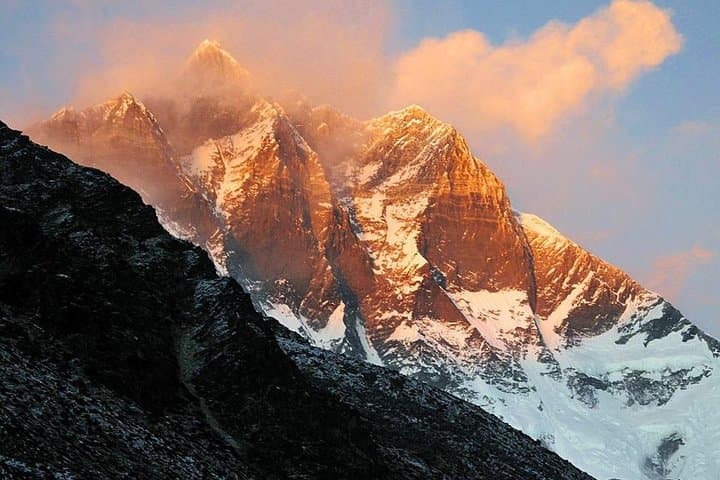

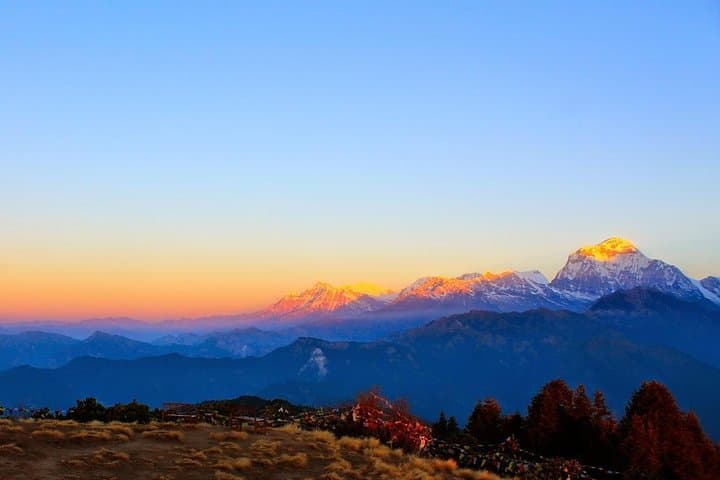

Dawn in Sarangkot slices the sky: first light uncovers Annapurna and Machhapuchhre, and the valley exhales below. Walkers start with that alpine hush—stone steps, terraced fields, and a skyline that pushes you forward. The ridge trail drops into Dhampus, a living Gurung village, then climbs to Australian Camp (about 2,055 m), an open saddle with sunset and sunrise that make the mountains feel close enough to touch.
Dawn in Sarangkot slices the sky: first light uncovers Annapurna and Machhapuchhre, and the valley exhales below. Walkers start with that alpine hush—stone steps, terraced fields, and a skyline that pushes you forward. The ridge trail drops into Dhampus, a living Gurung village, then climbs to Australian Camp (about 2,055 m), an open saddle with sunset and sunrise that make the mountains feel close enough to touch.
This short trek threads local culture and classic Himalayan geology—young folded ranges, glacially polished ridgelines, and slopes farmed for generations. Dhampus is a cultural waypoint: traditional houses, mani stones, and agricultural terraces that reflect Gurung hill life. The route has been part of Pokhara’s trekking network since the 1970s, developed into tea-house stops that let travelers sleep on the trail without heavy camping gear.
Practical guidance: Day 1 is roughly 5–6 hours from Sarangkot to Australian Camp with steady climbs and packed-earth trails; day 2 descends via Dhampus to Phedi for a short transfer back to Pokhara. Tea-house lodges provide basic meals and a place to sleep—carry cash and modest expectations. Weather can turn quickly above 2,000 m; layers, good boots, and a rain shell matter. Water is typically available at lodges but bring a filter or purification tablets if you prefer.
Timing: autumn (Sept–Nov) and spring (Mar–May) bring the clearest views; mornings reward early risers with broad Himalayan panoramas. Be mindful of trail etiquette: stick to paths, leave no trash, and support local guides and lodges—this keeps small-scale treks sustainable and valuable to communities.