THE ADVENTURE COLLECTIVE® · Independent discovery and booking for outdoor travel

Catch both sides of Pokhara’s sky on one day: the sun rising over the Annapurna range from Sarangkot and setting behind the World Peace Stupa by Fewa Lake. This vehicle-supported combo is ideal for travelers who want maximum mountain light with minimal exertion.
Catch both sides of Pokhara’s sky on one day: the sun rising over the Annapurna range from Sarangkot and setting behind the World Peace Stupa by Fewa Lake. This vehicle-supported combo is ideal for travelers who want maximum mountain light with minimal exertion.
Before dawn the ridge at Sarangkot feels like a held breath: cool air, a horizon of pink light sharpening into the jagged teeth of the Annapurna massif, and the valley below revealing Fewa Lake like a dark mirror. This combo tour stitches that early-morning clarity to a late-afternoon ascent at the World Peace Stupa, so you watch the same sky turn molten gold from two very different perches.
Verified experiences and guided adventures in the surrounding area.
Operated by Swami Narayan Travels Pvt Ltd · Pokhara, Gandaki Province
Before dawn the ridge at Sarangkot feels like a held breath: cool air, a horizon of pink light sharpening into the jagged teeth of the Annapurna massif, and the valley below revealing Fewa Lake like a dark mirror. This combo tour stitches that early-morning clarity to a late-afternoon ascent at the World Peace Stupa, so you watch the same sky turn molten gold from two very different perches.
Sarangkot sits on the western rim of the Pokhara valley, a favored viewpoint and paragliding launch that offers broad views of glaciated peaks and terraced farmland. The World Peace Stupa (Shanti Stupa) is a white-domed Buddhist monument built on a low hill across the lake and is both a spiritual landmark and a photo vantage—its steps and prayer wheels are part of the local pilgrimage rhythm.
Geology here is obvious: the high Himalaya folds rise rapidly from river plains, creating steep ridgelines and deep lake basins. Culturally, Pokhara is a crossroads for Gurung and Tibetan-influenced communities; you’ll see prayer flags and roadside tea stalls in both stops.
Practicalities: the combined experience is easy-paced and vehicle-supported—expect 3–4 hours total with hotel pickup. Wear layers (mornings are cold; afternoons warm), bring a camera and a warm hat, and allow time for short walks and stairs at each viewpoint. Sunrise requires arriving well before first light; sunset there often lingers after official dusk. Respect shrine areas at the stupa, pack out waste, and plan for variable mountain weather—visibility can change fast, but when the light hits, it’s unmistakable.
easy.
3–4 hours.
Light activity; suitable for most fitness levels — requires short walks and stair climbs.
The combined pickup, sunrise, and sunset experience runs about 3–4 hours of scheduled activity across the day; transfers and waiting between stops are included.
Yes—this is a low-impact, vehicle-supported tour with only short walks and stair climbs; inform the operator of mobility needs for accessible pickup/drop-off.
Yes—mountain visibility is weather-dependent. Clouds and rain can obscure peaks; the operator’s cancellation policy allows refunds if you cancel at least 24 hours in advance.
Entrance to the World Peace Stupa area is generally free; confirm with the operator if any specific site fees or donations are expected.
The World Peace Stupa was built as a Buddhist monument and has become a local landmark for quiet reflection and panoramic views; Sarangkot developed into a viewpoint and paragliding site as Pokhara grew as a trekking gateway.
Stick to marked paths and avoid leaving litter; the fragile hillside vegetation and watershed below Fewa Lake are sensitive to trampling and plastic pollution.
Swami Narayan Travels Pvt Ltd operates guided outdoor trips and adventures with an emphasis on safety, stewardship, and memorable experiences.
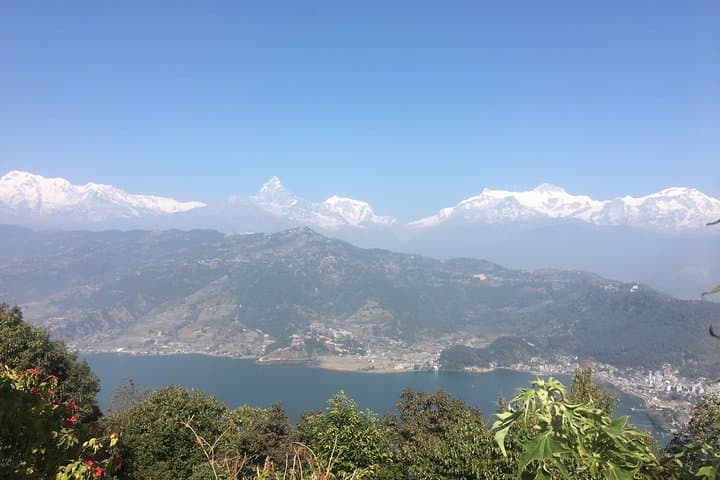
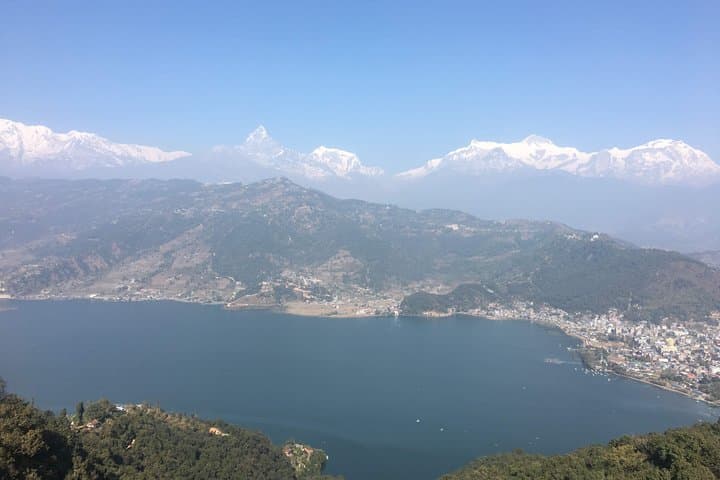
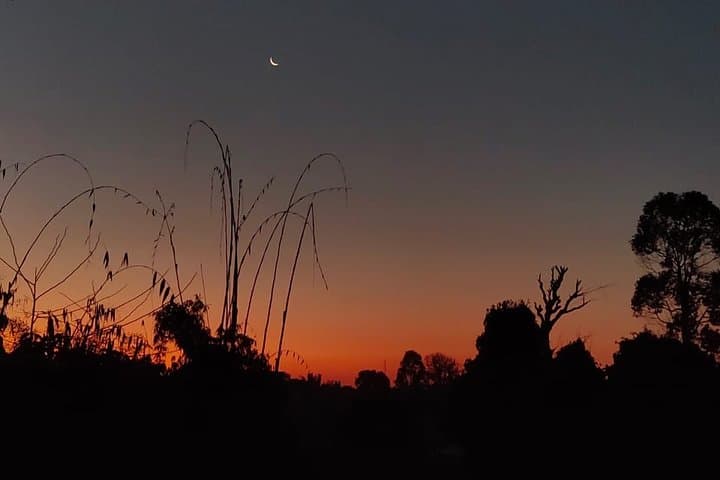
Before dawn the ridge at Sarangkot feels like a held breath: cool air, a horizon of pink light sharpening into the jagged teeth of the Annapurna massif, and the valley below revealing Fewa Lake like a dark mirror. This combo tour stitches that early-morning clarity to a late-afternoon ascent at the World Peace Stupa, so you watch the same sky turn molten gold from two very different perches.
Before dawn the ridge at Sarangkot feels like a held breath: cool air, a horizon of pink light sharpening into the jagged teeth of the Annapurna massif, and the valley below revealing Fewa Lake like a dark mirror. This combo tour stitches that early-morning clarity to a late-afternoon ascent at the World Peace Stupa, so you watch the same sky turn molten gold from two very different perches.
Sarangkot sits on the western rim of the Pokhara valley, a favored viewpoint and paragliding launch that offers broad views of glaciated peaks and terraced farmland. The World Peace Stupa (Shanti Stupa) is a white-domed Buddhist monument built on a low hill across the lake and is both a spiritual landmark and a photo vantage—its steps and prayer wheels are part of the local pilgrimage rhythm.
Geology here is obvious: the high Himalaya folds rise rapidly from river plains, creating steep ridgelines and deep lake basins. Culturally, Pokhara is a crossroads for Gurung and Tibetan-influenced communities; you’ll see prayer flags and roadside tea stalls in both stops.
Practicalities: the combined experience is easy-paced and vehicle-supported—expect 3–4 hours total with hotel pickup. Wear layers (mornings are cold; afternoons warm), bring a camera and a warm hat, and allow time for short walks and stairs at each viewpoint. Sunrise requires arriving well before first light; sunset there often lingers after official dusk. Respect shrine areas at the stupa, pack out waste, and plan for variable mountain weather—visibility can change fast, but when the light hits, it’s unmistakable.