THE ADVENTURE COLLECTIVE® · Independent discovery and booking for outdoor travel

Watch the Himalayas ignite at Sarangkot, then explore Pokhara’s dramatic falls, caves, and lakeside culture on this private half-day tour. Early pickup, short walks, big views.
Watch the Himalayas ignite at Sarangkot, then explore Pokhara’s dramatic falls, caves, and lakeside culture on this private half-day tour. Early pickup, short walks, big views.
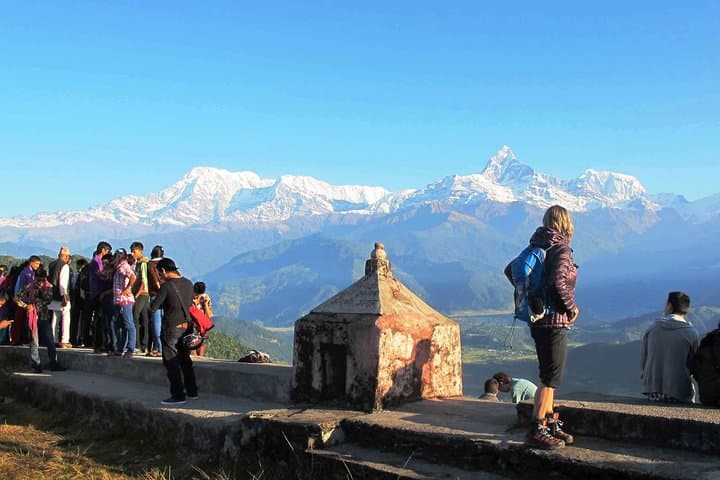
Before dawn a cold wind from the Annapurnas pushes across Sarangkot, and the first light edges across Machhapuchhare’s sharp crown. You stand on a low ridge as mountains unroll from shadow into silver—Dhaulagiri, Annapurna II and Lamjung answering the sun.
Verified experiences and guided adventures in the surrounding area.
Operated by Himalayan Luxury Holidays Pvt. Ltd. · Pokhara, Gandaki Province
Before dawn a cold wind from the Annapurnas pushes across Sarangkot, and the first light edges across Machhapuchhare’s sharp crown. You stand on a low ridge as mountains unroll from shadow into silver—Dhaulagiri, Annapurna II and Lamjung answering the sun.
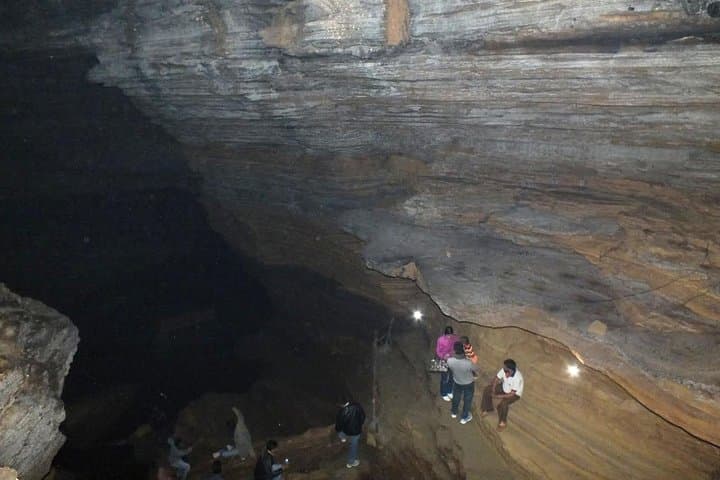
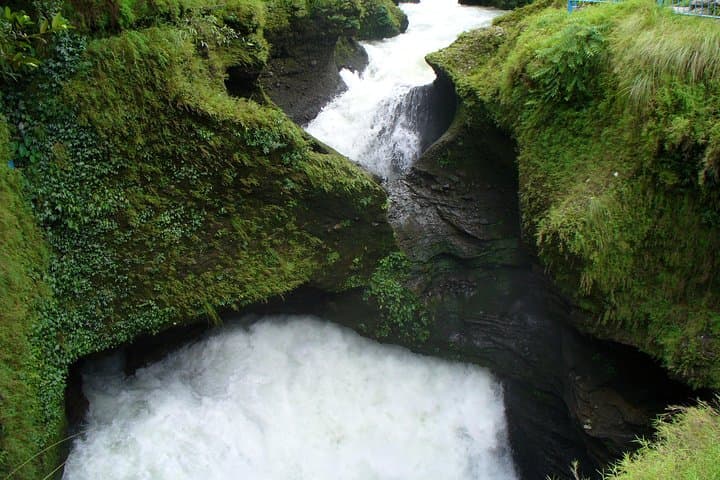
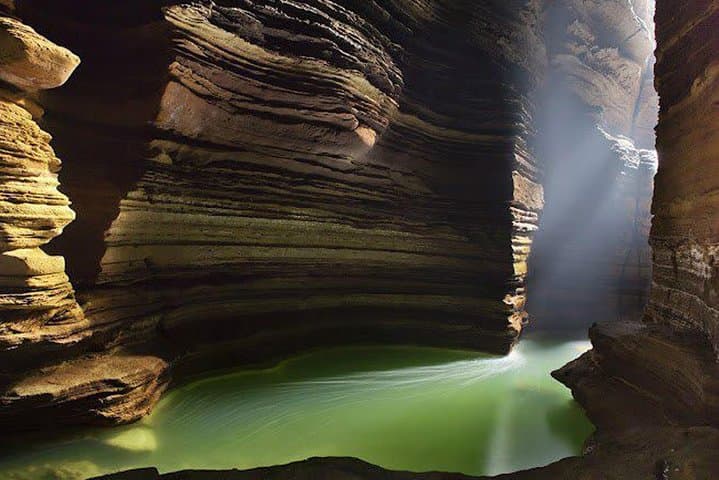
This private half-day tour pairs that Himalayan panorama with Pokhara’s compact mix of geology and culture. Pokhara sits at roughly 827 m on glacially carved Lake Phewa; Sarangkot rises to about 1,590 m, reached by a 40–50 minute drive that climbs switchbacks and village lanes. The World Peace Stupa — a modern, Japanese-built hilltop pagoda — overlooks the lake and offers broad views accessible via a short walk or paved track. Davis Fall is a dramatic karst gorge where surface water vanishes into the rocks and reappears in Gupteshwor Cave below; both sites involve steps and damp, uneven surfaces. The lakeside’s suspension bridge and Shiva temple give quick cultural stops with minimal walking.
Expect paved roads, short stair climbs (50–200 steps at some sites), and brief trails of 0.5–2 km. Morning temperatures at Sarangkot are several degrees cooler than Lakeside; visibility is best in fall and spring. Practicalities: early pickup, a warm layer for sunrise, sturdy shoes for caves and falls, and a charged camera. The tour’s rhythm moves from horizon-scale mountain views to close-up cultural and geological moments — fast, varied, and grounded in easy walking.
Plan for 6 hours, minimal fitness requirements, and bring reusable water and a rain layer in monsoon season.
easy.
6 hours.
Light activity; suitable for most fitness levels with only short walks and steps
It’s about a 40–50 minute drive from central Pokhara, depending on traffic and your hotel’s location.
Most sites involve short paved paths and stair sections; Gupteshwor Cave and Davis Fall have wet, uneven steps that require sure footing.
No—visibility depends on weather; clear days in fall and spring offer the best mountain panoramas, while monsoon and winter haze can limit views.
This tour description indicates admission is not included for some sights—confirm with the operator whether local site fees are covered.
Pokhara has long been a trade and trekking gateway into the Annapurna massif; the World Peace Stupa was built by Japanese Buddhists as a modern landmark and viewpoint.
High visitor numbers strain narrow sites—stay on trails, avoid feeding wildlife, and use refillable water bottles to minimize plastic waste.
Himalayan Luxury Holidays Pvt. Ltd. operates guided outdoor trips and adventures with an emphasis on safety, stewardship, and memorable experiences.
Before dawn a cold wind from the Annapurnas pushes across Sarangkot, and the first light edges across Machhapuchhare’s sharp crown. You stand on a low ridge as mountains unroll from shadow into silver—Dhaulagiri, Annapurna II and Lamjung answering the sun.
Before dawn a cold wind from the Annapurnas pushes across Sarangkot, and the first light edges across Machhapuchhare’s sharp crown. You stand on a low ridge as mountains unroll from shadow into silver—Dhaulagiri, Annapurna II and Lamjung answering the sun.
This private half-day tour pairs that Himalayan panorama with Pokhara’s compact mix of geology and culture. Pokhara sits at roughly 827 m on glacially carved Lake Phewa; Sarangkot rises to about 1,590 m, reached by a 40–50 minute drive that climbs switchbacks and village lanes. The World Peace Stupa — a modern, Japanese-built hilltop pagoda — overlooks the lake and offers broad views accessible via a short walk or paved track. Davis Fall is a dramatic karst gorge where surface water vanishes into the rocks and reappears in Gupteshwor Cave below; both sites involve steps and damp, uneven surfaces. The lakeside’s suspension bridge and Shiva temple give quick cultural stops with minimal walking.
Expect paved roads, short stair climbs (50–200 steps at some sites), and brief trails of 0.5–2 km. Morning temperatures at Sarangkot are several degrees cooler than Lakeside; visibility is best in fall and spring. Practicalities: early pickup, a warm layer for sunrise, sturdy shoes for caves and falls, and a charged camera. The tour’s rhythm moves from horizon-scale mountain views to close-up cultural and geological moments — fast, varied, and grounded in easy walking.
Plan for 6 hours, minimal fitness requirements, and bring reusable water and a rain layer in monsoon season.