THE ADVENTURE COLLECTIVE® · Independent discovery and booking for outdoor travel

Catch the Annapurna sunrise from Sarangkot, glide across Phewa Lake, and hike through forest to the World Peace Pagoda in a single, memorable half-day. This guided private tour pairs cinematic Himalayan views with a calm lakeside boat transfer and an achievable hilltop walk.
Catch the Annapurna sunrise from Sarangkot, glide across Phewa Lake, and hike through forest to the World Peace Pagoda in a single, memorable half-day. This guided private tour pairs cinematic Himalayan views with a calm lakeside boat transfer and an achievable hilltop walk.
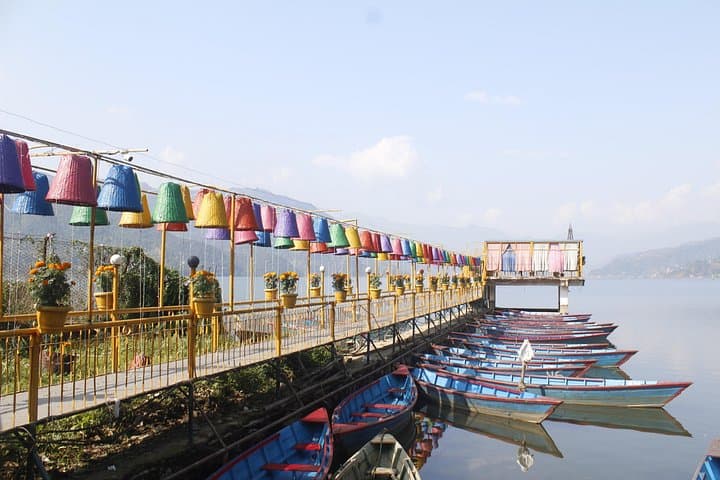
Before first light you glide across Phewa Lake, oars whispering through a silvered mist while the eastern sky begins to steel and then burn.
Verified experiences and guided adventures in the surrounding area.
Operated by Peak to Peak Tours and Treks Pvt Ltd · Pokhara, Gandaki Province
Before first light you glide across Phewa Lake, oars whispering through a silvered mist while the eastern sky begins to steel and then burn.
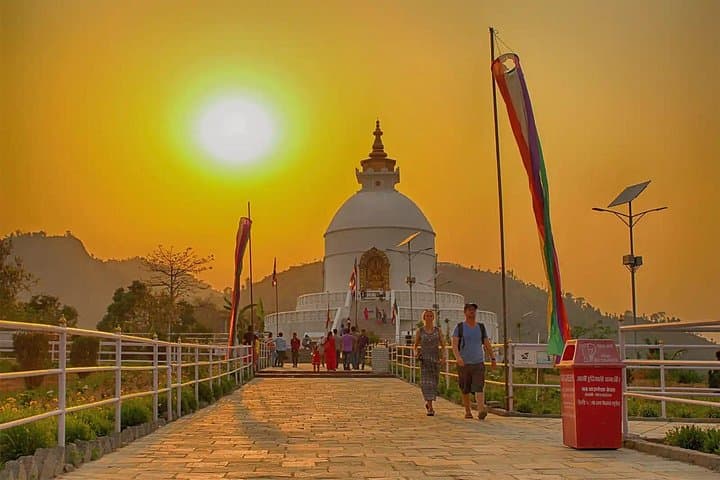
By the time you reach the lakeshore the silhouette of Sarangkot has already caught the first orange on Annapurna and Dhaulagiri; the ridge translates the high cold into a warm band of color that photographer and pilgrim chase in equal measure. The route alternates: a brief, reflective boat crossing, then a forested climb toward the World Peace Pagoda where prayer flags flutter against Himalayan summits.
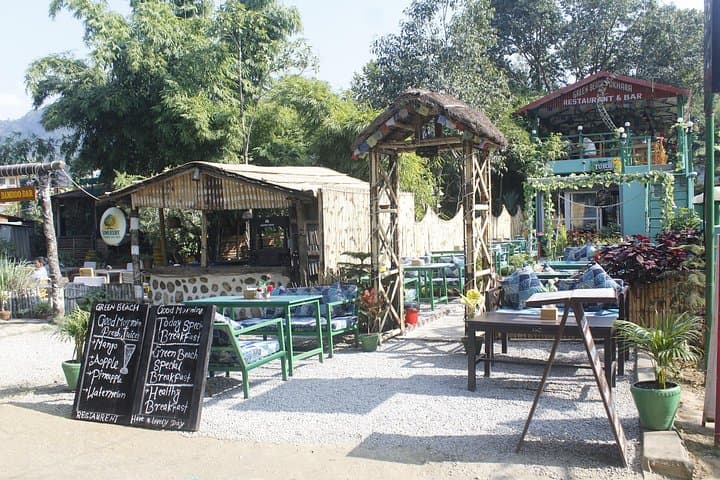
Geology here reads as a living lesson — young thrust-faulted ranges, steep faces carved by ancient glaciers, valleys filled with alluvial fans and terraced human settlement. Pokhara’s culture is pragmatic and layered: Newar and Gurung trade routes, Buddhist stupas, and lakeside cafes that serve piping teas to dawn watchers.
Expect 4–6 hours on a guided, private circuit: a short boat transfer, 30–90 minutes of steady uphill on packed earth and stone steps for the pagoda, and a drive or walk back via roads that thread small villages. The trail is mainly clear but uses stairs and occasional rooty sections; footwear with grip, a warm layer for pre-dawn conditions, and water are essential. Plan to arrive early — sunrise windows are brief — and keep camera batteries warm in your pocket.
This is an accessible Himalayan day that balances the cinematic — sharp mountain light and mirrored lake — with quiet, local details: prayer-flag color, a tea shop’s wood smoke, and a hilltop view that forces you to slow your breathing and look up.
moderate.
4–6 hours.
Suitable for people in regular walking condition; expect steady uphill sections and steps—short bursts of stamina required.
Yes; the itinerary includes a short boat transfer across Phewa Lake to the trailhead as part of the tour.
Pickups are scheduled before first light so you reach Sarangkot at sunrise—typically around 4:30–5:30 AM depending on season.
It’s a moderate walk: short but with steady climbs and many steps. People with basic fitness can complete it, though it’s not suited for those with serious mobility issues.
The tour notes include fees and a licensed English-speaking guide; confirm specifics with the operator at booking for any seasonal surcharges.
Pokhara grew as a trading hub on routes between Kathmandu and the high Himalaya; the World Peace Pagoda was built by Japanese Buddhists in 1999 to promote peace and mark spiritual ties to the region.
Lakeshore development and visitor footfall put pressure on local habitats; stay on marked paths, avoid single-use plastics, and support community-run stalls to help local stewardship.
Peak to Peak Tours and Treks Pvt Ltd operates guided outdoor trips and adventures with an emphasis on safety, stewardship, and memorable experiences.
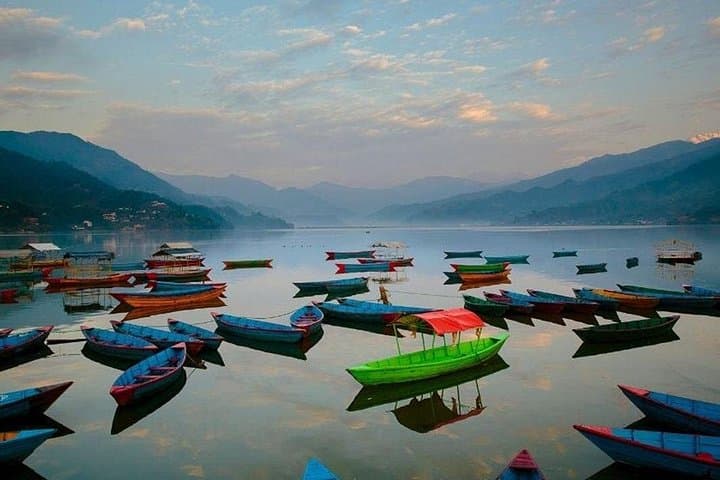
Before first light you glide across Phewa Lake, oars whispering through a silvered mist while the eastern sky begins to steel and then burn.
Before first light you glide across Phewa Lake, oars whispering through a silvered mist while the eastern sky begins to steel and then burn.
By the time you reach the lakeshore the silhouette of Sarangkot has already caught the first orange on Annapurna and Dhaulagiri; the ridge translates the high cold into a warm band of color that photographer and pilgrim chase in equal measure. The route alternates: a brief, reflective boat crossing, then a forested climb toward the World Peace Pagoda where prayer flags flutter against Himalayan summits.
Geology here reads as a living lesson — young thrust-faulted ranges, steep faces carved by ancient glaciers, valleys filled with alluvial fans and terraced human settlement. Pokhara’s culture is pragmatic and layered: Newar and Gurung trade routes, Buddhist stupas, and lakeside cafes that serve piping teas to dawn watchers.
Expect 4–6 hours on a guided, private circuit: a short boat transfer, 30–90 minutes of steady uphill on packed earth and stone steps for the pagoda, and a drive or walk back via roads that thread small villages. The trail is mainly clear but uses stairs and occasional rooty sections; footwear with grip, a warm layer for pre-dawn conditions, and water are essential. Plan to arrive early — sunrise windows are brief — and keep camera batteries warm in your pocket.
This is an accessible Himalayan day that balances the cinematic — sharp mountain light and mirrored lake — with quiet, local details: prayer-flag color, a tea shop’s wood smoke, and a hilltop view that forces you to slow your breathing and look up.