THE ADVENTURE COLLECTIVE® · Independent discovery and booking for outdoor travel

Perched above Phewa Lake, Sarangkot delivers a compact, high-reward half-day outing: dramatic Himalayan views, short hikes through village trails, and easy access from Pokhara. Ideal for sunrise chasers and travelers wanting a quick dose of mountain panoramas.
Perched above Phewa Lake, Sarangkot delivers a compact, high-reward half-day outing: dramatic Himalayan views, short hikes through village trails, and easy access from Pokhara. Ideal for sunrise chasers and travelers wanting a quick dose of mountain panoramas.
A low, cool wind meets travelers as the car climbs out of Pokhara’s Lakeside and the valley opens beneath them—rice paddies, hamlets, and the glassy mirror of Phewa Lake. At 1,592 m, Sarangkot’s ridge throws the Annapurna Massif, Machhapuchhre (Fishtail), Dhaulagiri and Manaslu into hard, early-light relief; the summit tower acts like a theatre box for sunrise and sunset.
Verified experiences and guided adventures in the surrounding area.
Operated by Pigeon Travel And Tours Pvt Ltd · Pokhara, Gandaki Province
A low, cool wind meets travelers as the car climbs out of Pokhara’s Lakeside and the valley opens beneath them—rice paddies, hamlets, and the glassy mirror of Phewa Lake. At 1,592 m, Sarangkot’s ridge throws the Annapurna Massif, Machhapuchhre (Fishtail), Dhaulagiri and Manaslu into hard, early-light relief; the summit tower acts like a theatre box for sunrise and sunset.
Sarangkot grew from a cluster of hilltop hamlets into Pokhara’s premier viewpoint. Geologically the ridge is part of the lesser Himalaya—folded sedimentary rock uplifted over millions of years—while the slopes are threaded with Schima-Castonopsis forest and terraced farmland reflecting local Gurung and Magar agricultural traditions. Birdwatchers have long stopped here to track forest species between the villages.
Practically, the trip is short and accessible: a 40–50 minute drive from Lakeside (about 5 km by road), or a popular two-hour walk from Phewa Lake for those who prefer a hike. Expect strong light and cold air at dawn; storms can arrive fast in monsoon season. Guides commonly include bottled water and private transport on half-day departures, and hotels or a small observation tower provide sheltered viewpoints.
For planning: aim for sunrise for the clearest mountain silhouettes, bring warm layers and a windproof jacket, and wear sturdy walking shoes if you plan the lakeshore-to-ridge approach. Allow time to explore nearby village trails and to pause for photography—Sarangkot is compact but the views reward a slow pace.
easy.
4 hours.
Suitable for most fitness levels; short uphill walks are optional but manageable for casual hikers
The private transfer typically takes 40–50 minutes from Lakeside Pokhara, depending on traffic and road conditions.
Yes—Sarangkot has accessible viewpoints and short paths; infants can ride in strollers on paved sections, though some steep steps exist.
No formal acclimatization is needed at this elevation, but those sensitive to altitude should take it easy and stay hydrated.
Views are best post-monsoon (fall) and in spring; mornings and evenings offer the clearest light—monsoon months bring clouds and reduced visibility.
Sarangkot evolved from traditional Gurung and Magar hill settlements into a tourist viewpoint; its ridgeline has long been used as a local vantage point over the Pokhara basin.
Stick to marked paths, avoid littering and single-use plastic, and respect local fields and homestays to minimize impact on fragile hillside agriculture.
Pigeon Travel And Tours Pvt Ltd operates guided outdoor trips and adventures with an emphasis on safety, stewardship, and memorable experiences.
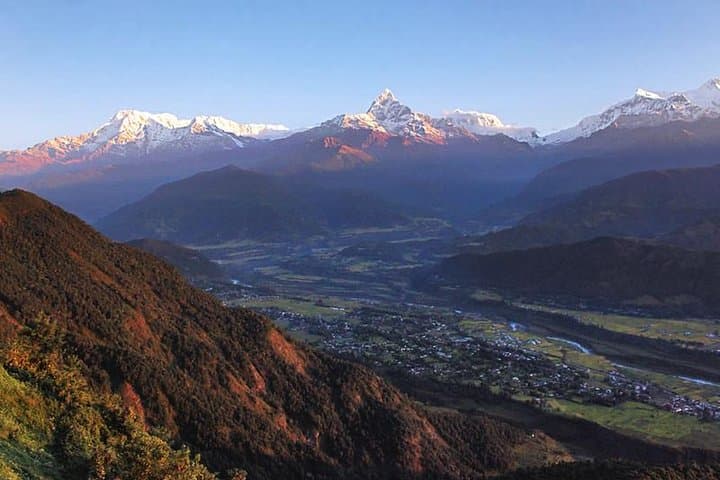
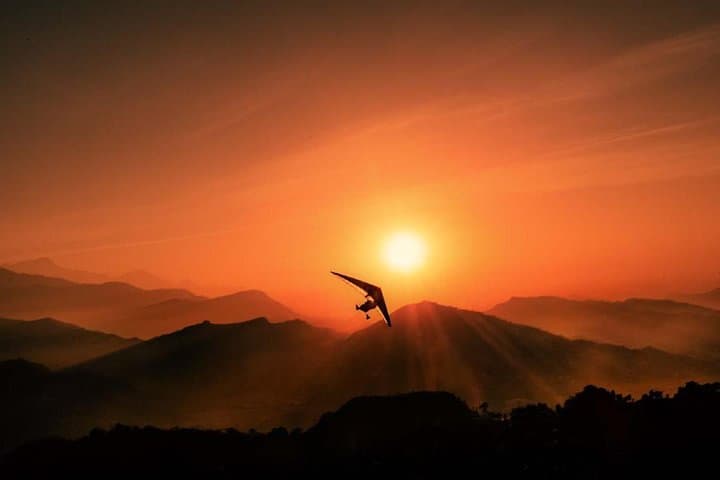
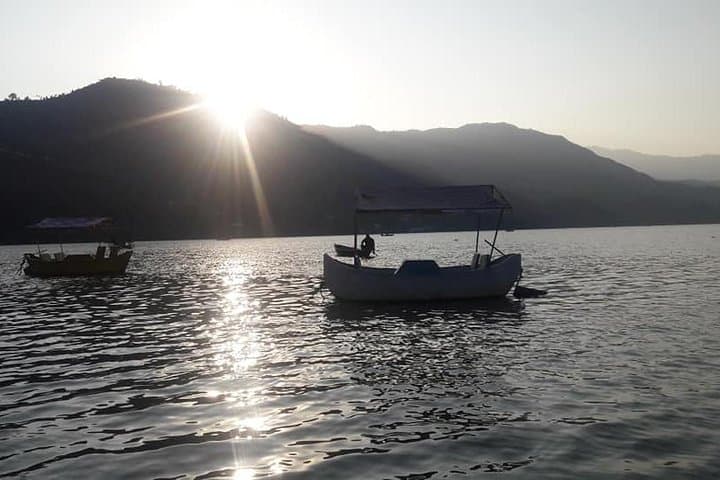
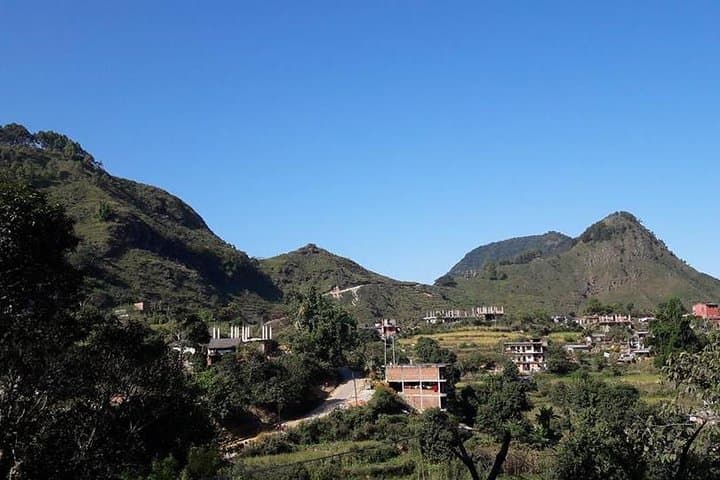
A low, cool wind meets travelers as the car climbs out of Pokhara’s Lakeside and the valley opens beneath them—rice paddies, hamlets, and the glassy mirror of Phewa Lake. At 1,592 m, Sarangkot’s ridge throws the Annapurna Massif, Machhapuchhre (Fishtail), Dhaulagiri and Manaslu into hard, early-light relief; the summit tower acts like a theatre box for sunrise and sunset.
A low, cool wind meets travelers as the car climbs out of Pokhara’s Lakeside and the valley opens beneath them—rice paddies, hamlets, and the glassy mirror of Phewa Lake. At 1,592 m, Sarangkot’s ridge throws the Annapurna Massif, Machhapuchhre (Fishtail), Dhaulagiri and Manaslu into hard, early-light relief; the summit tower acts like a theatre box for sunrise and sunset.
Sarangkot grew from a cluster of hilltop hamlets into Pokhara’s premier viewpoint. Geologically the ridge is part of the lesser Himalaya—folded sedimentary rock uplifted over millions of years—while the slopes are threaded with Schima-Castonopsis forest and terraced farmland reflecting local Gurung and Magar agricultural traditions. Birdwatchers have long stopped here to track forest species between the villages.
Practically, the trip is short and accessible: a 40–50 minute drive from Lakeside (about 5 km by road), or a popular two-hour walk from Phewa Lake for those who prefer a hike. Expect strong light and cold air at dawn; storms can arrive fast in monsoon season. Guides commonly include bottled water and private transport on half-day departures, and hotels or a small observation tower provide sheltered viewpoints.
For planning: aim for sunrise for the clearest mountain silhouettes, bring warm layers and a windproof jacket, and wear sturdy walking shoes if you plan the lakeshore-to-ridge approach. Allow time to explore nearby village trails and to pause for photography—Sarangkot is compact but the views reward a slow pace.