THE ADVENTURE COLLECTIVE® · Independent discovery and booking for outdoor travel

Catch sunrise over Annapurna and Dhaulagiri on a half-day hike to Sarangkot and Deurali, then descend through terraced farms and Tibetan-influenced hamlets. This private day trek from Pokhara pairs dramatic viewpoints with close-up cultural encounters.
Catch sunrise over Annapurna and Dhaulagiri on a half-day hike to Sarangkot and Deurali, then descend through terraced farms and Tibetan-influenced hamlets. This private day trek from Pokhara pairs dramatic viewpoints with close-up cultural encounters.
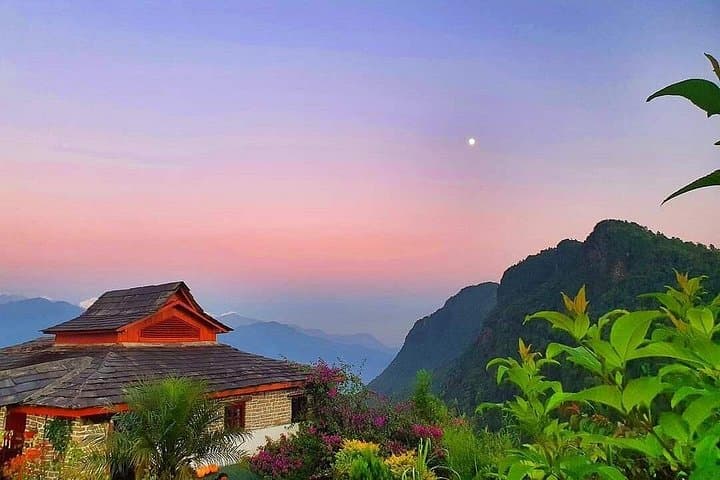
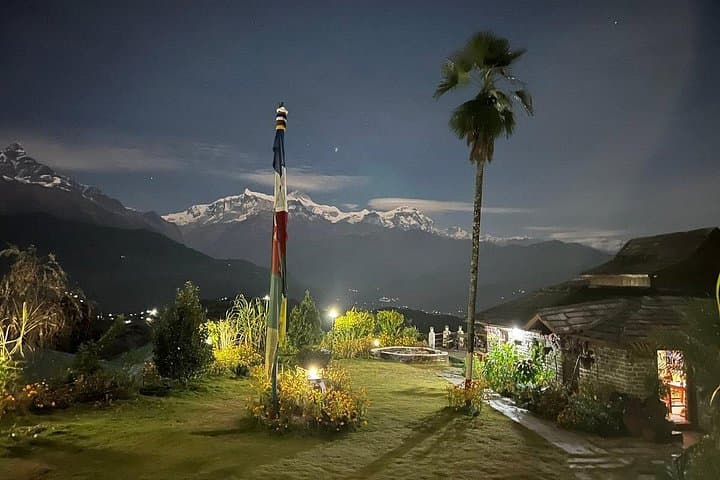
You leave Pokhara before dawn, the road shrinking behind the car as the first cold light outlines Annapurna and Dhaulagiri. Trails climb through terraces and pine stands; the air tastes of damp earth and wood smoke. At Sarangkot the world opens—Phewa Lake gleams below and the massif of jagged peaks pushes the horizon upward, daring you to keep watching as the sun lifts color across snow and rock.
Verified experiences and guided adventures in the surrounding area.
Operated by AM Travels and Tours · Pokhara, Gandaki Province
You leave Pokhara before dawn, the road shrinking behind the car as the first cold light outlines Annapurna and Dhaulagiri. Trails climb through terraces and pine stands; the air tastes of damp earth and wood smoke. At Sarangkot the world opens—Phewa Lake gleams below and the massif of jagged peaks pushes the horizon upward, daring you to keep watching as the sun lifts color across snow and rock.
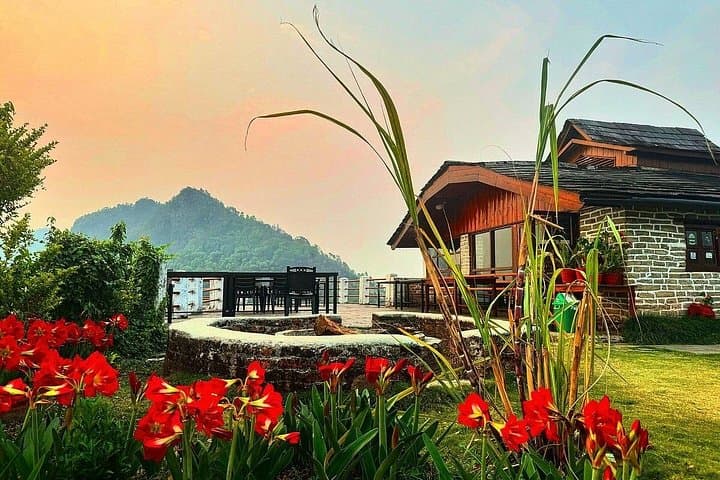
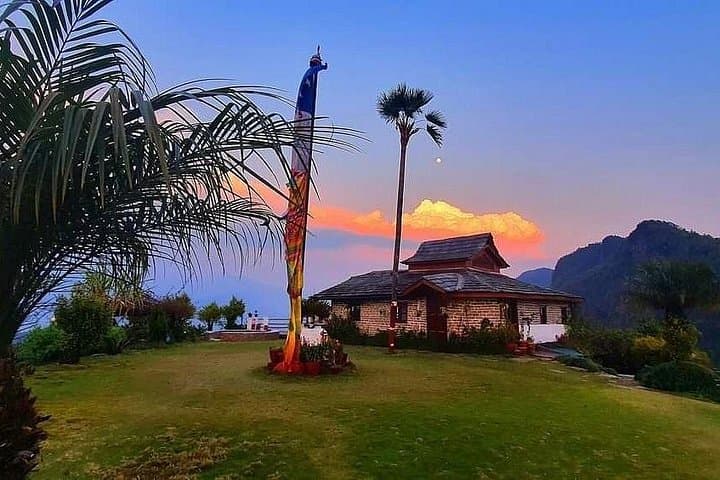
This route threads local history and geology: the Annapurna range is a product of the Indian plate pressing into Eurasia, its steep faces carved by glaciers and seasonal streams. Deurali and nearby villages show rural Nepali life—stone houses, stacked fields, and a visible Tibetan presence in prayer flags and handicrafts dating to mid-20th-century migration. Guides often point out old trade tracks that still shape the lanes and tell stories of mountain weather and village rhythms.
Expect mixed terrain—steep packed-earth switchbacks, occasional stone steps and forested stretches lined with rhododendron. Wildlife is subtle: Himalayan songbirds and the rustle of small mammals in underbrush.
Practical edge: start pre-dawn for sunrise at Sarangkot, carry at least 1.5–2 liters of water, and wear supportive footwear for uneven footing. Bring a warm layer—the wind on the ridge cuts through cotton—and small change for tea or a local snack in the village. Respect private yards and monasteries; ask before photographing people. With a steady pace this is a rewarding half-day trek that combines high-mountain vistas with tangible cultural encounters.
moderate.
5 hours.
Suitable for people who can handle steady uphill walking and several hours on uneven trails; basic stamina required
The full excursion including transfers is about 5 hours on-trail; terrain is moderate with steady uphill sections and some stone steps, suitable for most active travelers.
The tour includes an English-speaking trekking guide and private transfers—guides improve navigation and cultural context, so they are recommended.
Clear mornings in the pre-monsoon (spring) and post-monsoon (autumn) windows offer the most reliable views; arrive at Sarangkot before sunrise for peak color.
Sarangkot sits at around 1,600–1,700m—altitude is modest, but travelers with cardiovascular issues should consult a doctor; pacing and hydration reduce discomfort.
Sarangkot has long been a local lookout used by traders and villagers; the area's Tibetan cultural traces come from mid-20th-century migration that introduced monasteries and handicraft practices.
Stick to established trails and avoid collecting wild plants; local communities rely on sustainable tourism and waste reduction to protect the fragile hillside environment.
AM Travels and Tours operates guided outdoor trips and adventures with an emphasis on safety, stewardship, and memorable experiences.
You leave Pokhara before dawn, the road shrinking behind the car as the first cold light outlines Annapurna and Dhaulagiri. Trails climb through terraces and pine stands; the air tastes of damp earth and wood smoke. At Sarangkot the world opens—Phewa Lake gleams below and the massif of jagged peaks pushes the horizon upward, daring you to keep watching as the sun lifts color across snow and rock.
You leave Pokhara before dawn, the road shrinking behind the car as the first cold light outlines Annapurna and Dhaulagiri. Trails climb through terraces and pine stands; the air tastes of damp earth and wood smoke. At Sarangkot the world opens—Phewa Lake gleams below and the massif of jagged peaks pushes the horizon upward, daring you to keep watching as the sun lifts color across snow and rock.
This route threads local history and geology: the Annapurna range is a product of the Indian plate pressing into Eurasia, its steep faces carved by glaciers and seasonal streams. Deurali and nearby villages show rural Nepali life—stone houses, stacked fields, and a visible Tibetan presence in prayer flags and handicrafts dating to mid-20th-century migration. Guides often point out old trade tracks that still shape the lanes and tell stories of mountain weather and village rhythms.
Expect mixed terrain—steep packed-earth switchbacks, occasional stone steps and forested stretches lined with rhododendron. Wildlife is subtle: Himalayan songbirds and the rustle of small mammals in underbrush.
Practical edge: start pre-dawn for sunrise at Sarangkot, carry at least 1.5–2 liters of water, and wear supportive footwear for uneven footing. Bring a warm layer—the wind on the ridge cuts through cotton—and small change for tea or a local snack in the village. Respect private yards and monasteries; ask before photographing people. With a steady pace this is a rewarding half-day trek that combines high-mountain vistas with tangible cultural encounters.