THE ADVENTURE COLLECTIVE® · Independent discovery and booking for outdoor travel

Catch sunrise over the Annapurna range from two complementary vantage points outside Pokhara. This short private tour pairs Sarangkot’s classic panorama with Kahun’s newer outlook for dramatic mountain photography with minimal hiking.
Catch sunrise over the Annapurna range from two complementary vantage points outside Pokhara. This short private tour pairs Sarangkot’s classic panorama with Kahun’s newer outlook for dramatic mountain photography with minimal hiking.
You crest a narrow ridge and the valley opens: terraced farmland drops away, Pokhara’s lake glints like a coin, and the Annapurna massif rises, a cold wall of rock that shifts color as the sun moves. At Sarangkot and the newer Kahun hill station the morning light literally changes the scene—peaks sharpen, ridgelines throw long shadows, and the air carries the dry, dusty scent of winter or the sweet green of monsoon grass.
Verified experiences and guided adventures in the surrounding area.
Operated by Swami Narayan Travels Pvt Ltd · Pokhara, Gandaki Province
You crest a narrow ridge and the valley opens: terraced farmland drops away, Pokhara’s lake glints like a coin, and the Annapurna massif rises, a cold wall of rock that shifts color as the sun moves. At Sarangkot and the newer Kahun hill station the morning light literally changes the scene—peaks sharpen, ridgelines throw long shadows, and the air carries the dry, dusty scent of winter or the sweet green of monsoon grass.
These viewpoints sit on the western rim of Pokhara Valley, formed by uplift and glacial carving of the Greater Himalaya. Sarangkot served historically as a village lookout and now doubles as a paragliding launch; Kahun is a recently developed terrace that gives a different angle on Annapurna and Machapuchare. Local Gurung and Brahmin communities have farmed these slopes for generations, and small temples and teahouses reflect everyday mountain culture.
Practically: the tour is a short, private drive with minimal walking required at each stop, ideal for sunrise-or-sunset photographers. Expect windy, exposed ridgelines and rapid temperature swings—mornings can be near freezing in winter even if Pokhara is mild. Bring layers, a warm hat, and enough battery power for long panoramic shots. Hotel pickup and drop-off are usually included; wheelchair-accessible vehicles are commonly available if requested.
Timing is everything—arrive before first light for reflections on the snowy flanks, or late afternoon for softer, golden tones. Respect local sites, carry out waste, and, if you linger, buy a hot tea from a hilltop teahouse—the small economies here rely on visitors to keep these viewpoints maintained.
easy.
2–3 hours.
Minimal fitness required; mostly short walks at paved or packed-earth viewpoints with vehicle transfers.
Yes—Sarangkot offers the classic east-facing panorama of Annapurna and Machapuchare, while Kahun provides a slightly different angle that can reveal complementary ridgelines; visibility depends on weather and season.
Most operators include hotel pickup and private transfers; many offer wheelchair-accessible transport if requested at booking—confirm in advance.
Aim to leave Pokhara 45–60 minutes before sunrise to reach Sarangkot in time; the exact departure depends on your hotel location and season.
Small teahouses and vendors commonly operate at Sarangkot and Kahun, selling tea, chai, and snacks—carry water and small change for purchases.
Sarangkot has long been a village lookout and trade route landmark for communities around Pokhara; the viewpoint’s popularity grew with tourism and paragliding in recent decades.
Tourism places pressure on fragile hill slopes—stick to paths, avoid single-use plastics, and support local businesses to help fund upkeep and reforestation.
Swami Narayan Travels Pvt Ltd operates guided outdoor trips and adventures with an emphasis on safety, stewardship, and memorable experiences.
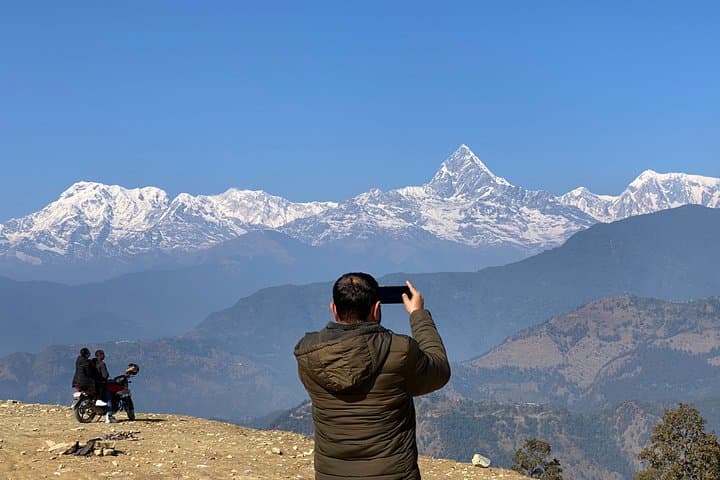
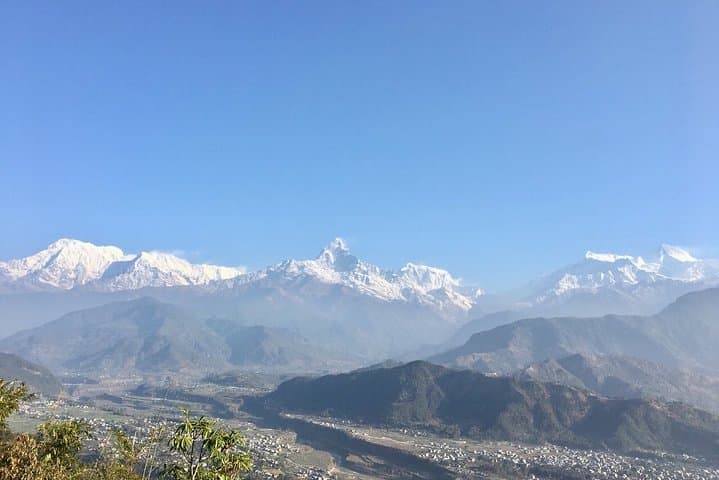
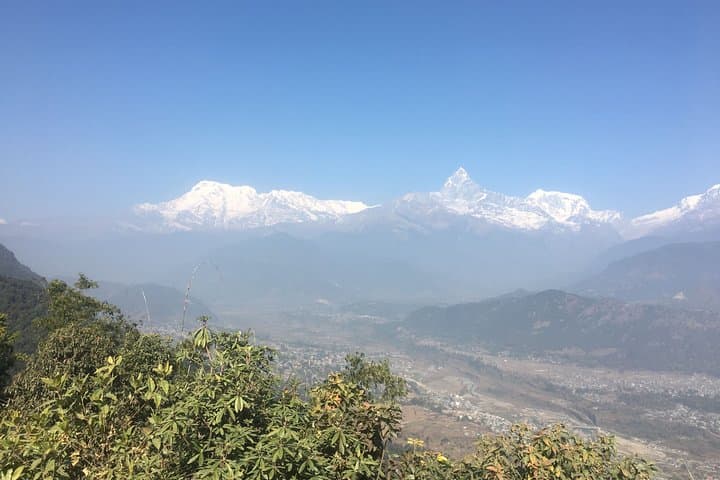
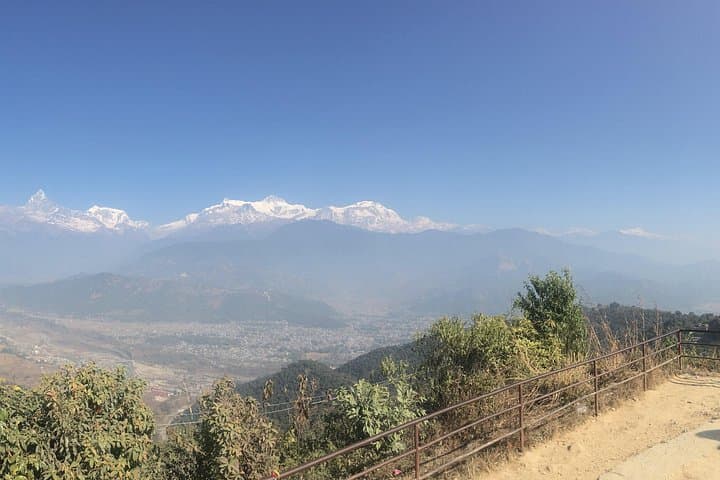
You crest a narrow ridge and the valley opens: terraced farmland drops away, Pokhara’s lake glints like a coin, and the Annapurna massif rises, a cold wall of rock that shifts color as the sun moves. At Sarangkot and the newer Kahun hill station the morning light literally changes the scene—peaks sharpen, ridgelines throw long shadows, and the air carries the dry, dusty scent of winter or the sweet green of monsoon grass.
You crest a narrow ridge and the valley opens: terraced farmland drops away, Pokhara’s lake glints like a coin, and the Annapurna massif rises, a cold wall of rock that shifts color as the sun moves. At Sarangkot and the newer Kahun hill station the morning light literally changes the scene—peaks sharpen, ridgelines throw long shadows, and the air carries the dry, dusty scent of winter or the sweet green of monsoon grass.
These viewpoints sit on the western rim of Pokhara Valley, formed by uplift and glacial carving of the Greater Himalaya. Sarangkot served historically as a village lookout and now doubles as a paragliding launch; Kahun is a recently developed terrace that gives a different angle on Annapurna and Machapuchare. Local Gurung and Brahmin communities have farmed these slopes for generations, and small temples and teahouses reflect everyday mountain culture.
Practically: the tour is a short, private drive with minimal walking required at each stop, ideal for sunrise-or-sunset photographers. Expect windy, exposed ridgelines and rapid temperature swings—mornings can be near freezing in winter even if Pokhara is mild. Bring layers, a warm hat, and enough battery power for long panoramic shots. Hotel pickup and drop-off are usually included; wheelchair-accessible vehicles are commonly available if requested.
Timing is everything—arrive before first light for reflections on the snowy flanks, or late afternoon for softer, golden tones. Respect local sites, carry out waste, and, if you linger, buy a hot tea from a hilltop teahouse—the small economies here rely on visitors to keep these viewpoints maintained.