THE ADVENTURE COLLECTIVE® · Independent discovery and booking for outdoor travel

Covering medieval viewpoints, a UNESCO archaeological site, turquoise beaches and a karst spring, this full-day loop from Saranda packs dense history and strong coastal scenery into 4–5 hours. Expect uneven stone, short walks, and summer crowds at Butrint and Ksamil.
Covering medieval viewpoints, a UNESCO archaeological site, turquoise beaches and a karst spring, this full-day loop from Saranda packs dense history and strong coastal scenery into 4–5 hours. Expect uneven stone, short walks, and summer crowds at Butrint and Ksamil.
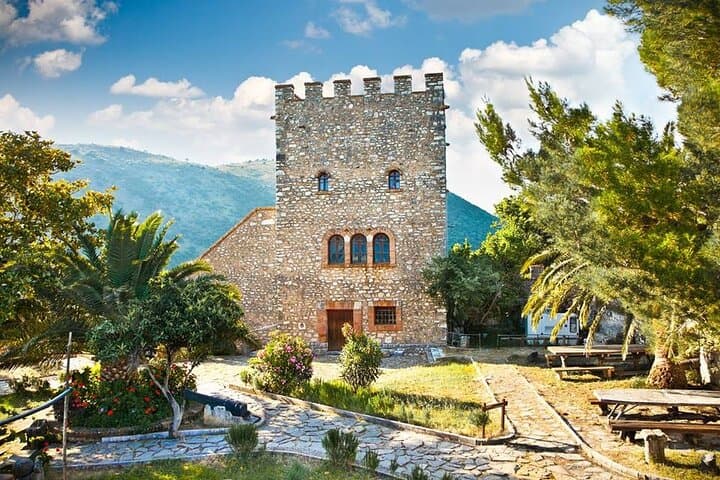
A short climb up Lekuresi Hill opens the day: wind pushing off the Ionian and the town of Saranda spilled below like a board of weathered tiles. The castle perches with broad views over Corfu’s silhouette, and the morning light makes the bay look almost navigable by memory alone.
Verified experiences and guided adventures in the surrounding area.
Operated by Atlas Tours · Saranda, Vlorë County
A short climb up Lekuresi Hill opens the day: wind pushing off the Ionian and the town of Saranda spilled below like a board of weathered tiles. The castle perches with broad views over Corfu’s silhouette, and the morning light makes the bay look almost navigable by memory alone.
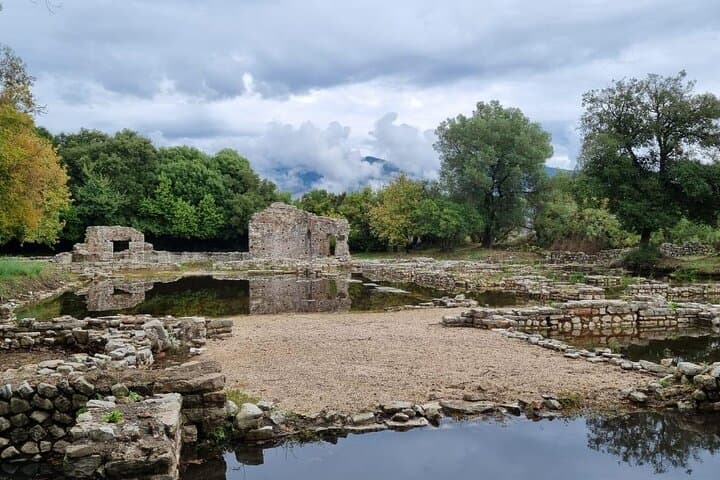
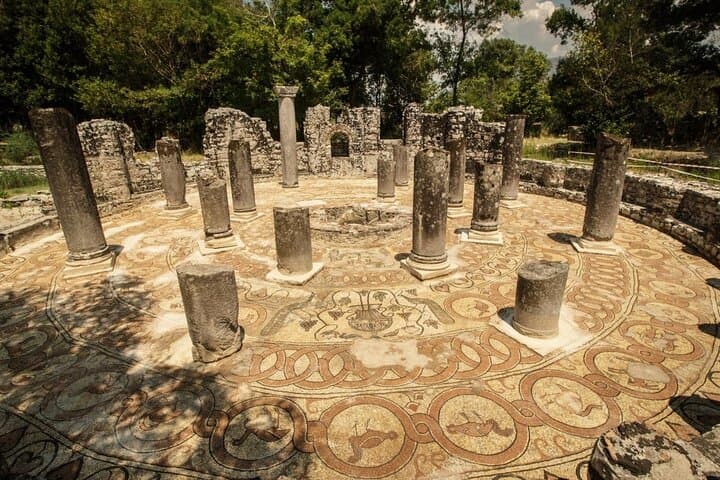
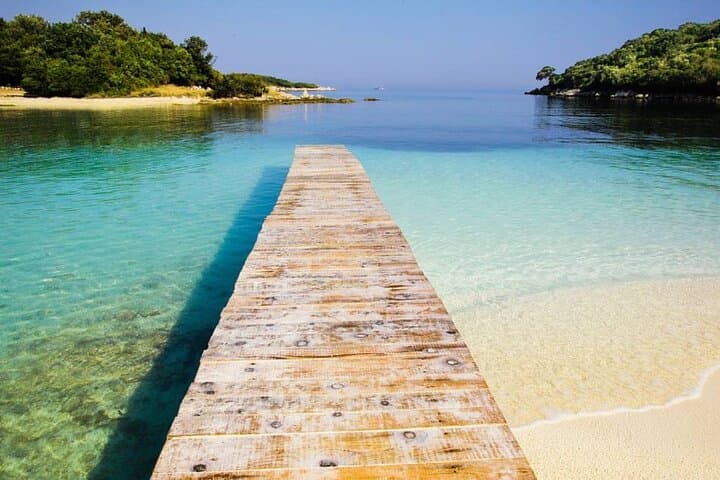
From medieval battlements to salt-scented sand, the route moves through layered histories. Butrint, a UNESCO site, keeps Greek foundations beneath Roman streets and Byzantine churches—stonework that tells of shifting empires and a coastline that once fed commercial fleets. Ksamil’s small islands and shallow beaches show the coastline’s karst geology where limestone meets the sea, while the Blue Eye spring arrives from underground caverns, a focused pulse of water whose blue well seems to breathe.
Expect uneven ancient paving, coastal beach sand, and a short trail to the Blue Eye with boardwalk sections. The tour combines seated driving between points with 20–120 minute stops for exploring; crowds surge in high summer at Butrint and Ksamil. Bring a refillable bottle and sun protection, and plan to move at a steady pace—stairs and short hikes are part of the experience.
Locals favor late-afternoon lekuresi views for calmer light and cooler air, and small tavernas near Ksamil offer fresh seafood after a day of walking. Respect marked paths in the national park and avoid touching sensitive ruins; the Blue Eye’s depth and cold make it a dramatic sight rather than a safe swim spot for most visitors.
moderate.
4–5 hours.
Moderate fitness; able to walk short distances, climb stairs and navigate uneven surfaces for several short stops.
Yes — entrance to listed monuments and the train/park access to the Blue Eye are included in this tour.
Pickup is typically offered from central Saranda meeting points or selected hotels—confirm your pickup point when booking.
Expect brief to moderate walks at each site: 20 minutes at Lekuresi, up to two hours exploring Butrint, a short trail to the Blue Eye, and beach time in Ksamil.
Swimming is generally discouraged due to cold, depth and protected status; Ksamil beaches are the recommended swim stops.
Butrint preserves continuous settlement layers from Hellenistic, Roman and Byzantine periods; its ruins reflect coastal trade and strategic importance across eras.
Butrint National Park is protected—stay on marked paths, avoid removing artifacts, and minimize single-use plastics to reduce pressure on fragile shorelines.
Atlas Tours operates guided outdoor trips and adventures with an emphasis on safety, stewardship, and memorable experiences.
A short climb up Lekuresi Hill opens the day: wind pushing off the Ionian and the town of Saranda spilled below like a board of weathered tiles. The castle perches with broad views over Corfu’s silhouette, and the morning light makes the bay look almost navigable by memory alone.
A short climb up Lekuresi Hill opens the day: wind pushing off the Ionian and the town of Saranda spilled below like a board of weathered tiles. The castle perches with broad views over Corfu’s silhouette, and the morning light makes the bay look almost navigable by memory alone.
From medieval battlements to salt-scented sand, the route moves through layered histories. Butrint, a UNESCO site, keeps Greek foundations beneath Roman streets and Byzantine churches—stonework that tells of shifting empires and a coastline that once fed commercial fleets. Ksamil’s small islands and shallow beaches show the coastline’s karst geology where limestone meets the sea, while the Blue Eye spring arrives from underground caverns, a focused pulse of water whose blue well seems to breathe.
Expect uneven ancient paving, coastal beach sand, and a short trail to the Blue Eye with boardwalk sections. The tour combines seated driving between points with 20–120 minute stops for exploring; crowds surge in high summer at Butrint and Ksamil. Bring a refillable bottle and sun protection, and plan to move at a steady pace—stairs and short hikes are part of the experience.
Locals favor late-afternoon lekuresi views for calmer light and cooler air, and small tavernas near Ksamil offer fresh seafood after a day of walking. Respect marked paths in the national park and avoid touching sensitive ruins; the Blue Eye’s depth and cold make it a dramatic sight rather than a safe swim spot for most visitors.