THE ADVENTURE COLLECTIVE® · Independent discovery and booking for outdoor travel

Explore Sarajevo’s Siege history on a private 3–4 hour tour that visits the Tunnel of Hope, sniper positions, ruined Olympic tracks and war‑scarred neighborhoods. This guided route combines archival context with on‑site visits to the city’s most significant wartime locations.
Explore Sarajevo’s Siege history on a private 3–4 hour tour that visits the Tunnel of Hope, sniper positions, ruined Olympic tracks and war‑scarred neighborhoods. This guided route combines archival context with on‑site visits to the city’s most significant wartime locations.
You step out of an air‑conditioned van into a city that still carries its recent past in plain sight: bullet‑pocked façades, a rusting bobsleigh track curling down Trebević, and the low, urgent hum of everyday life that persists around memorials and museums.
Verified experiences and guided adventures in the surrounding area.
Operated by Torus Tours · Sarajevo, Sarajevo Canton
You step out of an air‑conditioned van into a city that still carries its recent past in plain sight: bullet‑pocked façades, a rusting bobsleigh track curling down Trebević, and the low, urgent hum of everyday life that persists around memorials and museums.
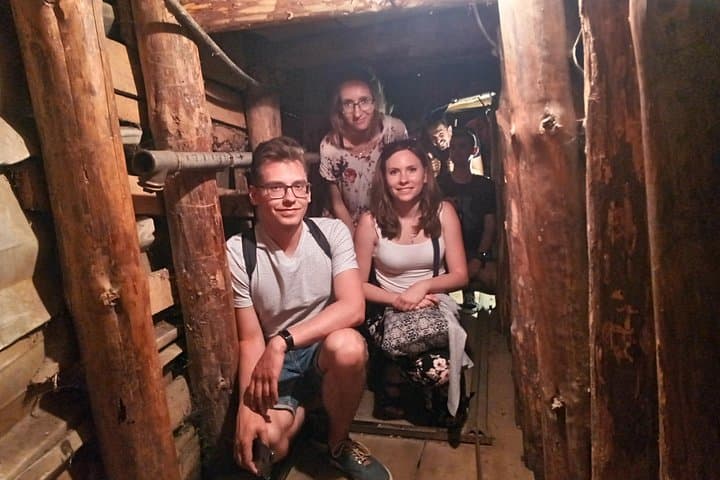
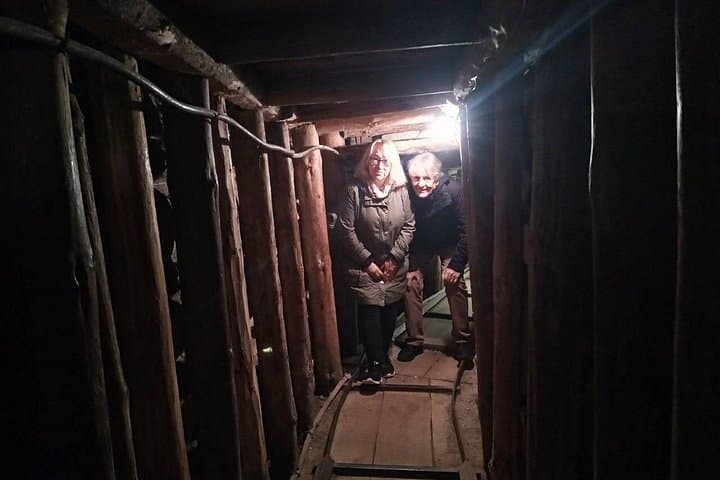
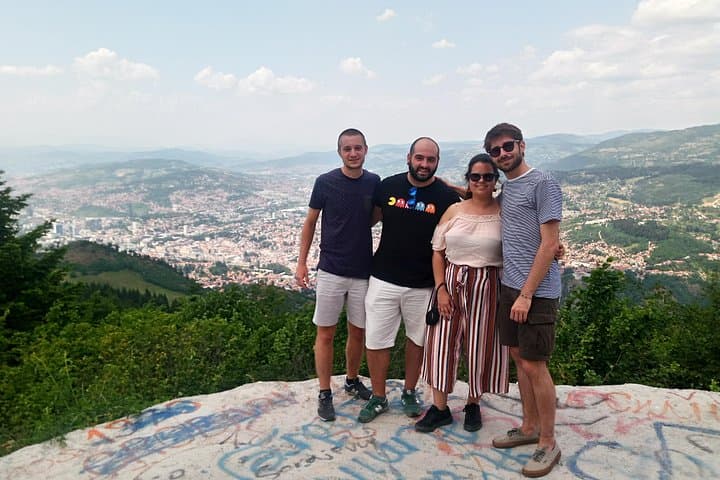
The tour traces Sarajevo’s Siege (1992–1996) across streets and slopes. Guides place the battlelines in context—how the city sits in a karst basin cut by the Miljacka River and ringed by the Dinaric Alps, where frontlines once hugged steep ridgelines. You’ll visit the Tunnel of Hope museum and watch archival footage, stand by the abandoned hotels and Sniper Alley that marked the city’s most exposed avenues, and peer toward mountain nests that once commanded the valley.
Culturally, the route moves from Ottoman‑era bazaars and Austro‑Hungarian façades to the visible scars of late 20th‑century conflict, offering insight into everyday resilience and postwar recovery. The Olympic facilities—bobsleigh track, luge runs, and the damaged Olympic Village—tell another chapter: a city that hosted global athletes, then became a battlefield.
Practically, expect a 3–4 hour private outing with short walks and vehicle transfers; the itinerary is emotionally heavy and historically dense. Bring sturdy shoes for uneven terrain at outdoor ruins, a refillable water bottle, and a light layer for mountaintop wind. Photography is often allowed but follow guide instructions at memorial sites. Plan for quieter moments—this is as much about listening and reflection as it is about seeing, and the drive between points provides time to absorb the city’s complex story.
easy.
3–4 hours.
Suitable for most fitness levels; requires short walks on uneven ground and brief climbs to viewpoints.
This private tour lasts about 3–4 hours and includes private transportation in an air‑conditioned vehicle, guide commentary, and admission to the Tunnel of Hope museum.
No; it is rated easy with short walks and some steps or uneven ground at outdoor sites—suitable for most visitors.
Photography rules vary—guides will advise where it’s permitted and when to show restraint out of respect for memorials.
Yes—private format allows guides to adjust emphasis (e.g., military history, civilian stories, Olympic legacy) if requested in advance.
Sarajevo’s modern story centers on the 1992–1996 siege during the Bosnian War, when the city was blockaded and many urban sites were damaged or repurposed for defense.
Many wartime sites are preserved as memorials and museums; follow signage and stay on marked paths to protect fragile ruins and interpretive installations.
Torus Tours operates guided outdoor trips and adventures with an emphasis on safety, stewardship, and memorable experiences.
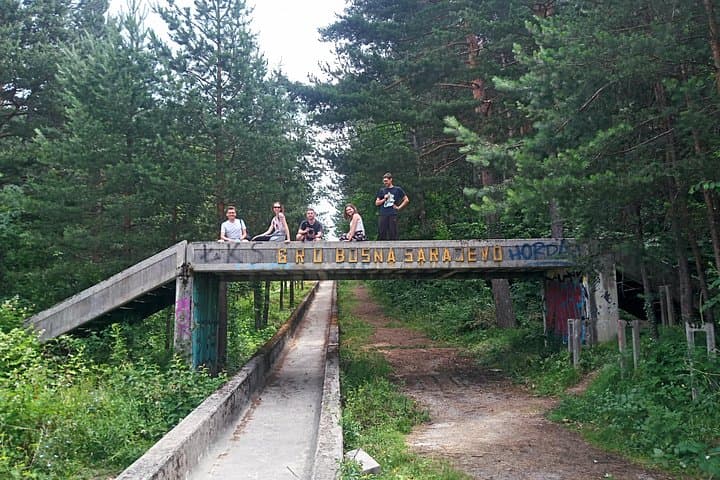
You step out of an air‑conditioned van into a city that still carries its recent past in plain sight: bullet‑pocked façades, a rusting bobsleigh track curling down Trebević, and the low, urgent hum of everyday life that persists around memorials and museums.
You step out of an air‑conditioned van into a city that still carries its recent past in plain sight: bullet‑pocked façades, a rusting bobsleigh track curling down Trebević, and the low, urgent hum of everyday life that persists around memorials and museums.
The tour traces Sarajevo’s Siege (1992–1996) across streets and slopes. Guides place the battlelines in context—how the city sits in a karst basin cut by the Miljacka River and ringed by the Dinaric Alps, where frontlines once hugged steep ridgelines. You’ll visit the Tunnel of Hope museum and watch archival footage, stand by the abandoned hotels and Sniper Alley that marked the city’s most exposed avenues, and peer toward mountain nests that once commanded the valley.
Culturally, the route moves from Ottoman‑era bazaars and Austro‑Hungarian façades to the visible scars of late 20th‑century conflict, offering insight into everyday resilience and postwar recovery. The Olympic facilities—bobsleigh track, luge runs, and the damaged Olympic Village—tell another chapter: a city that hosted global athletes, then became a battlefield.
Practically, expect a 3–4 hour private outing with short walks and vehicle transfers; the itinerary is emotionally heavy and historically dense. Bring sturdy shoes for uneven terrain at outdoor ruins, a refillable water bottle, and a light layer for mountaintop wind. Photography is often allowed but follow guide instructions at memorial sites. Plan for quieter moments—this is as much about listening and reflection as it is about seeing, and the drive between points provides time to absorb the city’s complex story.