THE ADVENTURE COLLECTIVE® · Independent discovery and booking for outdoor travel

Trace Sarajevo’s recent past on a guided 3–4 hour route from the Yellow Fortress to the Tunnel Museum. This tour pairs sweeping viewpoints with intimate street-level stories of survival, politics and memory.
Trace Sarajevo’s recent past on a guided 3–4 hour route from the Yellow Fortress to the Tunnel Museum. This tour pairs sweeping viewpoints with intimate street-level stories of survival, politics and memory.
You step onto a narrow terrace above the Miljacka River and the city opens beneath you—rooflines scarred by history, steep hills still pocked from wartime shelling, and the distant, watchful slopes of the Dinaric heights surrounding Sarajevo.
Verified experiences and guided adventures in the surrounding area.
Operated by Toureedoo - Sarajevo City Tours · Sarajevo, Sarajevo Canton
You step onto a narrow terrace above the Miljacka River and the city opens beneath you—rooflines scarred by history, steep hills still pocked from wartime shelling, and the distant, watchful slopes of the Dinaric heights surrounding Sarajevo.
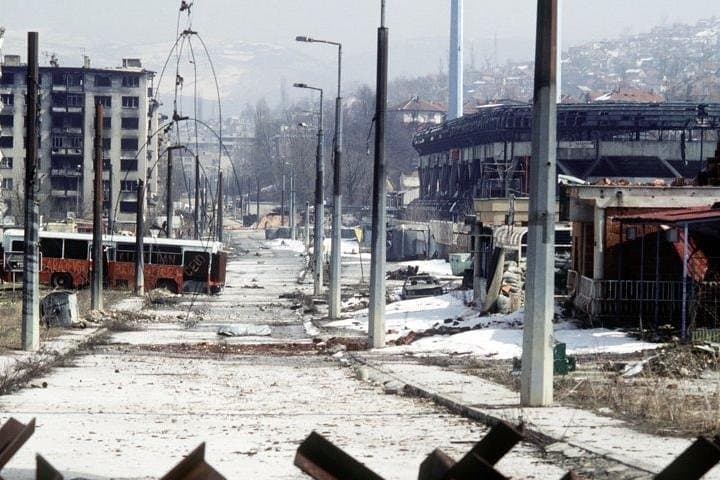
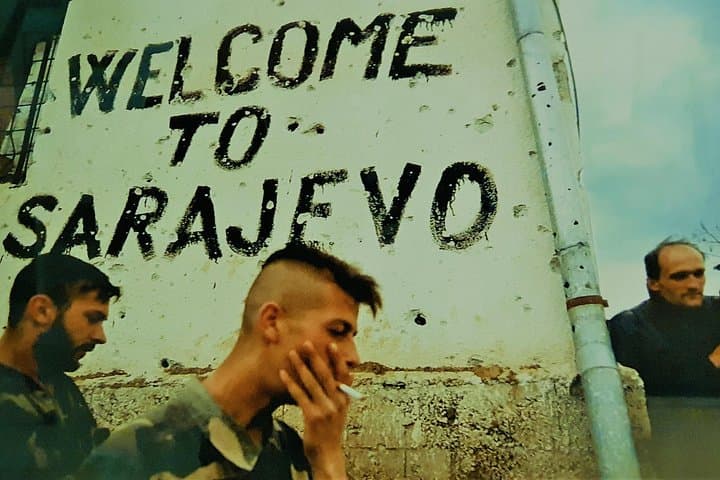
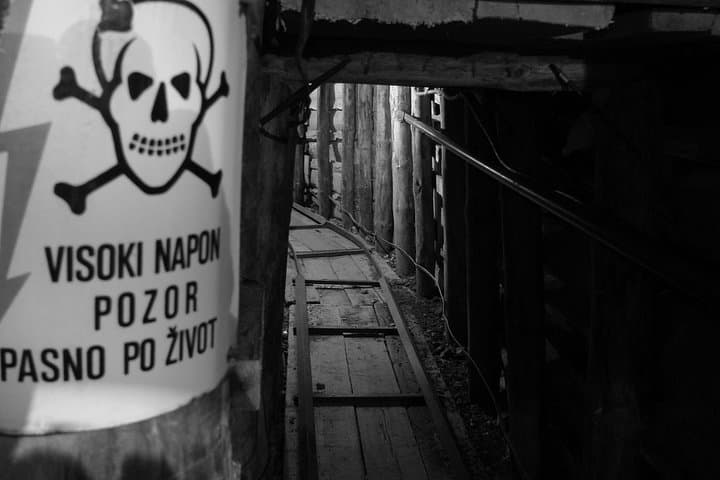
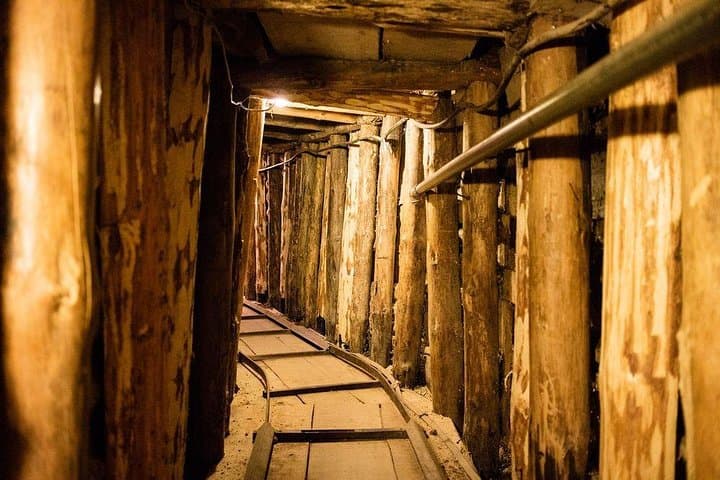
This walking and minibus tour threads those high viewpoints and hard streets into a single narrative: the 1992–1995 siege, the human improvisations that kept a city alive and the symbols that still mark it. The Yellow Fortress gives a panoramic primer; Sniper Alley narrows the story to the scale of a single street. The Tunnel Museum presents engineering born of necessity—the underground lifeline that pierced the isolation of the airport zone. Along the way, guides contextualize the breakup of Yugoslavia, the Dayton Accords and why Sarajevo became the focal point of a wider collapse.
Geologically the city sits in a river valley carved through limestone and flysch, the surrounding slopes forming both a bowl that trapped conflict and vantage points that shaped tactics. Culturally, you’ll pass mosques, Orthodox churches and Austro-Hungarian façades that map Sarajevo’s layered past.
Practical matters: wear comfortable shoes for paved and uneven surfaces, plan for roughly 3–4 hours with an included museum admission, and expect periods of standing and short walks between stops. Photography is allowed at many sites but be respectful at memorials and cemeteries. If you want deeper context, allow extra time at the Tunnel Museum and the Jewish Cemetery for closer reflection—both reward patient listening and slow walking.
easy.
3–4 hours.
Light walking ability; suitable for most fitness levels with short periods of standing and gentle climbs
Many meeting points and segments are accessible, and transportation is provided, but some memorial sites and the Tunnel Museum have limited accessibility—check with the operator in advance.
Tours are typically led in English; other language options may be available on request—confirm at booking.
The guided visit to the Tunnel Museum on this itinerary is roughly 45–60 minutes, including exhibits and a short tunnel section.
Yes—most sites allow photography, but be respectful at cemeteries and memorials and follow any site-specific rules explained by your guide.
Sarajevo’s modern profile was shaped by its Ottoman and Austro-Hungarian periods, and the 1984 Winter Olympics left sports infrastructure later repurposed and scarred during the 1992–95 siege.
Respectful tourism supports local museums and memorial projects; avoid touching or removing artifacts and consider donating to preservation funds to help maintain sites and educate visitors.
Toureedoo - Sarajevo City Tours operates guided outdoor trips and adventures with an emphasis on safety, stewardship, and memorable experiences.
You step onto a narrow terrace above the Miljacka River and the city opens beneath you—rooflines scarred by history, steep hills still pocked from wartime shelling, and the distant, watchful slopes of the Dinaric heights surrounding Sarajevo.
You step onto a narrow terrace above the Miljacka River and the city opens beneath you—rooflines scarred by history, steep hills still pocked from wartime shelling, and the distant, watchful slopes of the Dinaric heights surrounding Sarajevo.
This walking and minibus tour threads those high viewpoints and hard streets into a single narrative: the 1992–1995 siege, the human improvisations that kept a city alive and the symbols that still mark it. The Yellow Fortress gives a panoramic primer; Sniper Alley narrows the story to the scale of a single street. The Tunnel Museum presents engineering born of necessity—the underground lifeline that pierced the isolation of the airport zone. Along the way, guides contextualize the breakup of Yugoslavia, the Dayton Accords and why Sarajevo became the focal point of a wider collapse.
Geologically the city sits in a river valley carved through limestone and flysch, the surrounding slopes forming both a bowl that trapped conflict and vantage points that shaped tactics. Culturally, you’ll pass mosques, Orthodox churches and Austro-Hungarian façades that map Sarajevo’s layered past.
Practical matters: wear comfortable shoes for paved and uneven surfaces, plan for roughly 3–4 hours with an included museum admission, and expect periods of standing and short walks between stops. Photography is allowed at many sites but be respectful at memorials and cemeteries. If you want deeper context, allow extra time at the Tunnel Museum and the Jewish Cemetery for closer reflection—both reward patient listening and slow walking.