THE ADVENTURE COLLECTIVE® · Independent discovery and booking for outdoor travel

Spend a full day traveling from Sarajevo to Zagreb through central Bosnia’s most striking stops — Travnik fortress, the blue springs, Jajce’s waterfall and fortress, and the medieval Pliva watermills. A compact route that pairs history with dramatic water-carved scenery.
Spend a full day traveling from Sarajevo to Zagreb through central Bosnia’s most striking stops — Travnik fortress, the blue springs, Jajce’s waterfall and fortress, and the medieval Pliva watermills. A compact route that pairs history with dramatic water-carved scenery.
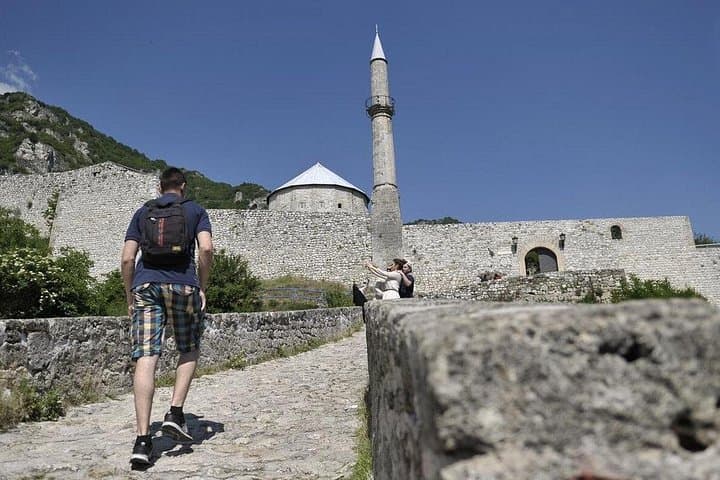
Morning fog lifts off the Bosnian valley as the minivan pulls out of Sarajevo, the city’s Ottoman roofs sliding past like pages in a travel diary. The road pushes northwest, cutting through river valleys and limestone ridges until Travnik’s stone fortress appears on a low bluff — a weathered stronghold that watched both medieval kings and Ottoman governors pass beneath its walls.
Verified experiences and guided adventures in the surrounding area.
Operated by Dream Balkans Travel · Sarajevo, Federation of Bosnia and Herzegovina
Morning fog lifts off the Bosnian valley as the minivan pulls out of Sarajevo, the city’s Ottoman roofs sliding past like pages in a travel diary. The road pushes northwest, cutting through river valleys and limestone ridges until Travnik’s stone fortress appears on a low bluff — a weathered stronghold that watched both medieval kings and Ottoman governors pass beneath its walls.
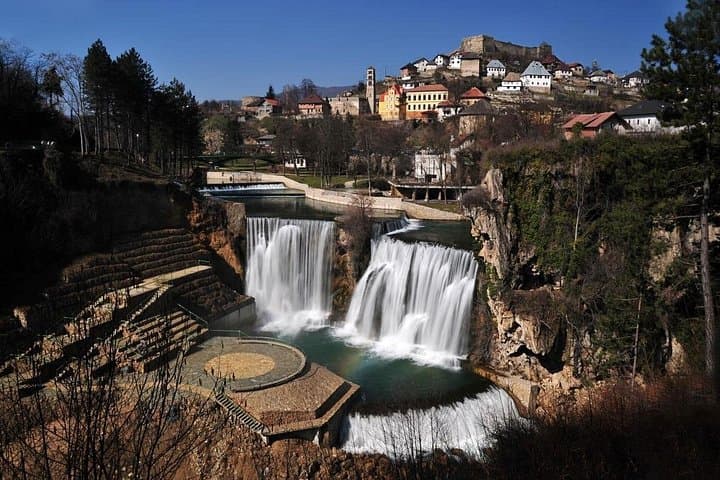
History sits in the open here: Jajce was once a royal seat and later the site where Yugoslavia’s wartime council met. The region’s geology — karst limestone feeding clear springs — creates sudden waterfalls and the slow-moving arms of Pliva Lake. Local culture is visible in coffee rituals at Plava Voda and in the wooden watermills that still turn where two lakes meet, powered by the river’s patient shove.
Expect short guided walks, several photo stops, and easy trails to viewpoints; the tour includes bottled water and an air-conditioned vehicle. Plan for a full day on the road (roughly 10 hours), with multiple stops for castle ramparts, a rock-cut church, Jajce waterfall, and the Pliva Watermills; lunch is usually lakeside.
Practical tips: carry your passport for the one-way transfer to Zagreb, bring layered clothing for variable microclimates, and wear comfortable shoes for cobbled streets and grassy banks. Aim to sit on the right side of the vehicle for better waterfall and valley views. This route is ideal for travelers who want a compact sampler of central Bosnia’s history, waterways, and living rural traditions.
easy.
10 hours.
Light activity; suitable for most travelers comfortable with a full day of sightseeing and short walks
The tour departs Sarajevo in the morning and finishes in Zagreb, making several stops in central Bosnia along the way.
Lunch is not always included; the itinerary usually includes a lakeside stop where you can buy a meal—check the booking details or request dietary needs in advance.
Yes; the air-conditioned vehicle accommodates luggage for passengers doing the one-way transfer to Zagreb.
Yes; infant seats are available and the tour is rated physically easy, but expect a long day with several short walks.
Jajce served as a medieval Bosnian royal town and later hosted the 1943 AVNOJ council; Travnik’s fortress shows Ottoman reconstruction layered on medieval foundations.
The wooden Pliva mills are fragile cultural monuments—avoid climbing on structures and support local craftspeople. Respect waterways by not leaving waste; the karst-fed lakes and springs are sensitive to pollution.
Dream Balkans Travel operates guided outdoor trips and adventures with an emphasis on safety, stewardship, and memorable experiences.
Morning fog lifts off the Bosnian valley as the minivan pulls out of Sarajevo, the city’s Ottoman roofs sliding past like pages in a travel diary. The road pushes northwest, cutting through river valleys and limestone ridges until Travnik’s stone fortress appears on a low bluff — a weathered stronghold that watched both medieval kings and Ottoman governors pass beneath its walls.
Morning fog lifts off the Bosnian valley as the minivan pulls out of Sarajevo, the city’s Ottoman roofs sliding past like pages in a travel diary. The road pushes northwest, cutting through river valleys and limestone ridges until Travnik’s stone fortress appears on a low bluff — a weathered stronghold that watched both medieval kings and Ottoman governors pass beneath its walls.
History sits in the open here: Jajce was once a royal seat and later the site where Yugoslavia’s wartime council met. The region’s geology — karst limestone feeding clear springs — creates sudden waterfalls and the slow-moving arms of Pliva Lake. Local culture is visible in coffee rituals at Plava Voda and in the wooden watermills that still turn where two lakes meet, powered by the river’s patient shove.
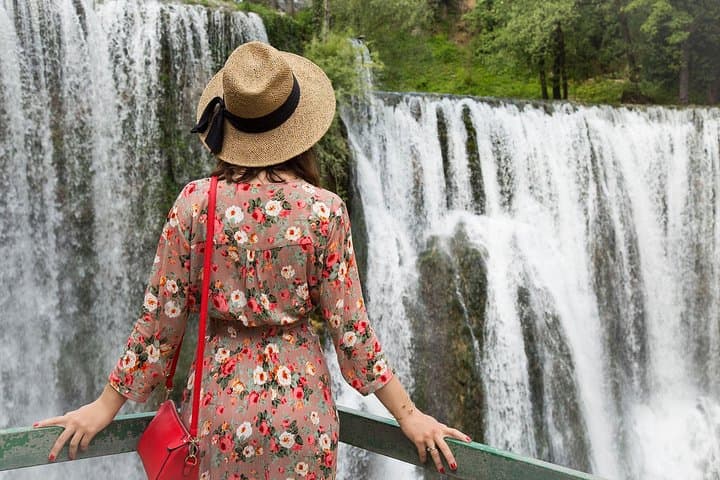
Expect short guided walks, several photo stops, and easy trails to viewpoints; the tour includes bottled water and an air-conditioned vehicle. Plan for a full day on the road (roughly 10 hours), with multiple stops for castle ramparts, a rock-cut church, Jajce waterfall, and the Pliva Watermills; lunch is usually lakeside.
Practical tips: carry your passport for the one-way transfer to Zagreb, bring layered clothing for variable microclimates, and wear comfortable shoes for cobbled streets and grassy banks. Aim to sit on the right side of the vehicle for better waterfall and valley views. This route is ideal for travelers who want a compact sampler of central Bosnia’s history, waterways, and living rural traditions.