THE ADVENTURE COLLECTIVE® · Independent discovery and booking for outdoor travel

A full-day drive from Sarajevo to Dubrovnik that threads Mostar’s Old Bridge, the karst spring at Blagaj, fortified Počitelj, and the travertine amphitheater of Kravice waterfalls—perfect for travelers who want history, geology and a cooling finale in one day.
A full-day drive from Sarajevo to Dubrovnik that threads Mostar’s Old Bridge, the karst spring at Blagaj, fortified Počitelj, and the travertine amphitheater of Kravice waterfalls—perfect for travelers who want history, geology and a cooling finale in one day.
You leave Sarajevo before dawn, the minibus threading the Neretva canyon as morning light sharpens limestone ridges and the river dares you with its green intensity. The day stitches together Ottoman stone, wartime scars, and a sudden plunge of water at Kravice—each stop a different voice in Herzegovina’s story.
Verified experiences and guided adventures in the surrounding area.
Operated by Spirit Tours Sarajevo · Sarajevo, Federation of Bosnia and Herzegovina
You leave Sarajevo before dawn, the minibus threading the Neretva canyon as morning light sharpens limestone ridges and the river dares you with its green intensity. The day stitches together Ottoman stone, wartime scars, and a sudden plunge of water at Kravice—each stop a different voice in Herzegovina’s story.
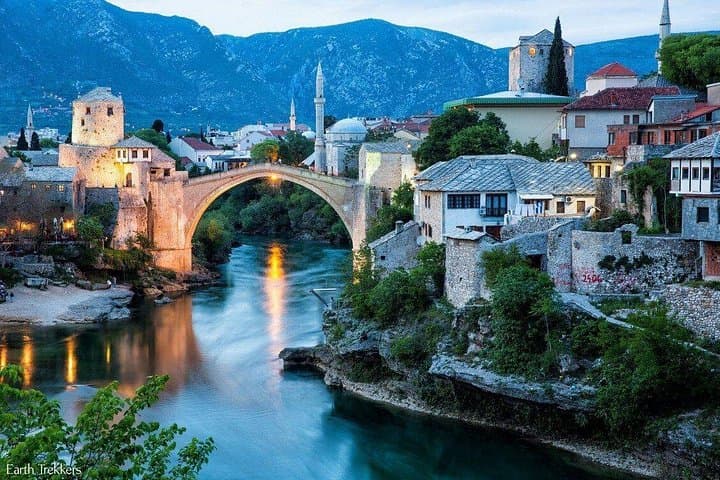
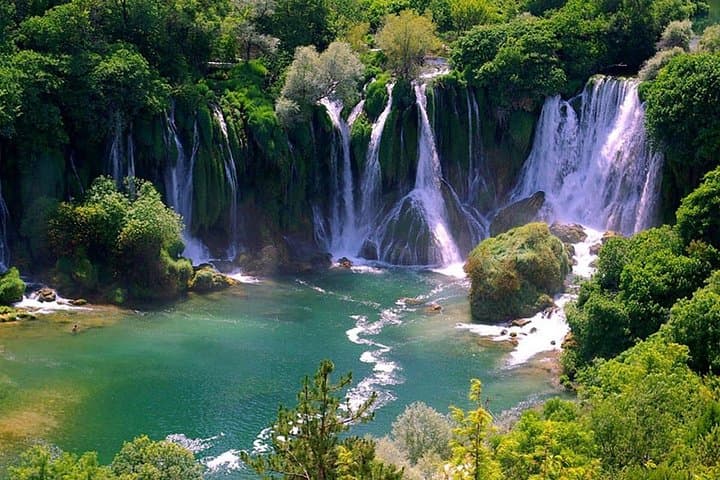
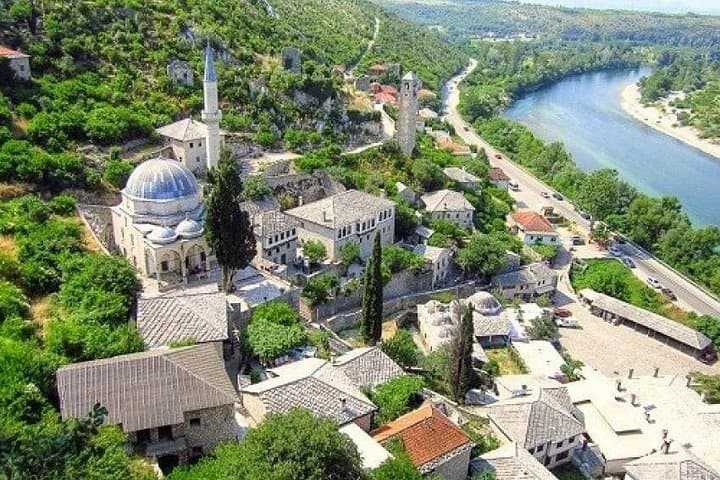
Mostar’s 16th-century Stari Most rises from the old town as both architecture and memory; across the river, cobbled alleys host cafés and mosques that speak to Ottoman trade routes. Blagaj’s Buna spring issues from a karst cliff beside a 16th-century tekke—the water arrives almost impossibly cold, producing roughly 30 cubic-meters at its source and feeding rice fields and local fisheries. Počitelj perches above the Neretva with fortified stone houses and a view that explains why the site was contested for centuries. Kravice waterfalls, a travertine amphitheater dropping ~26–28 m over 120 m of cliff, is a geological showpiece formed by travertine deposition.
Expect mostly easy walking and photo stops, with around 10 hours on the road including short walks at each site. Practicalities: bring your passport for the Croatia border crossing if your route ends in Dubrovnik, carry water and sun protection in summer, and be ready for cold spring water if you plan to swim. Wear sturdy shoes for uneven stone streets and short trails; leave no trace on travertine edges and respect signs around protected springs.
The route is ideal for travelers who want concentrated cultural history and a dramatic waterfall finale in a single, well-paced day.
easy.
10 hours.
Suitable for light to moderate fitness; mostly short walks and standing; long day in vehicle
Yes—if the tour ends in Dubrovnik you cross into Croatia and need a valid passport; check visa rules for your nationality.
Yes in designated areas, typically in summer; water is cold and currents can be strong near the falls—obey local signage.
Lunch is usually not included; tours typically stop at Blagaj or a local restaurant where you can buy a fish-based meal or other regional dishes.
Short, easy walks at each stop (5–30 minutes) plus standing and stairs in Mostar’s Old Town; accessible for most fitness levels.
Mostar’s Old Bridge was built in the 16th century under Ottoman rule; nearby Jablanica and Konjic bear visible marks from WWII and Cold War history.
Kravice’s travertine formations are sensitive—stay on marked paths, avoid stepping on calcified edges, and carry out waste to protect the site.
Spirit Tours Sarajevo operates guided outdoor trips and adventures with an emphasis on safety, stewardship, and memorable experiences.
You leave Sarajevo before dawn, the minibus threading the Neretva canyon as morning light sharpens limestone ridges and the river dares you with its green intensity. The day stitches together Ottoman stone, wartime scars, and a sudden plunge of water at Kravice—each stop a different voice in Herzegovina’s story.
You leave Sarajevo before dawn, the minibus threading the Neretva canyon as morning light sharpens limestone ridges and the river dares you with its green intensity. The day stitches together Ottoman stone, wartime scars, and a sudden plunge of water at Kravice—each stop a different voice in Herzegovina’s story.
Mostar’s 16th-century Stari Most rises from the old town as both architecture and memory; across the river, cobbled alleys host cafés and mosques that speak to Ottoman trade routes. Blagaj’s Buna spring issues from a karst cliff beside a 16th-century tekke—the water arrives almost impossibly cold, producing roughly 30 cubic-meters at its source and feeding rice fields and local fisheries. Počitelj perches above the Neretva with fortified stone houses and a view that explains why the site was contested for centuries. Kravice waterfalls, a travertine amphitheater dropping ~26–28 m over 120 m of cliff, is a geological showpiece formed by travertine deposition.
Expect mostly easy walking and photo stops, with around 10 hours on the road including short walks at each site. Practicalities: bring your passport for the Croatia border crossing if your route ends in Dubrovnik, carry water and sun protection in summer, and be ready for cold spring water if you plan to swim. Wear sturdy shoes for uneven stone streets and short trails; leave no trace on travertine edges and respect signs around protected springs.
The route is ideal for travelers who want concentrated cultural history and a dramatic waterfall finale in a single, well-paced day.