THE ADVENTURE COLLECTIVE® · Independent discovery and booking for outdoor travel

A one-way study tour linking Sarajevo and Belgrade with a focused visit to the Srebrenica Memorial and Museum. Expect long drives, careful historical briefings, and a solemn, informative experience at Potocari.
A one-way study tour linking Sarajevo and Belgrade with a focused visit to the Srebrenica Memorial and Museum. Expect long drives, careful historical briefings, and a solemn, informative experience at Potocari.
You leave Sarajevo on a cool morning, the pedestrian street Ferhadija still busy with last-minute shoppers and coffee smoke. An air-conditioned minivan eases onto the highway and the city gives way to folded hills, pine ridges and the broad river valleys of eastern Bosnia; the road itself becomes a classroom, guided by a driver who punctuates the landscape with history.
Verified experiences and guided adventures in the surrounding area.
Operated by Dream Balkans Travel · Srebrenica, Republika Srpska
You leave Sarajevo on a cool morning, the pedestrian street Ferhadija still busy with last-minute shoppers and coffee smoke. An air-conditioned minivan eases onto the highway and the city gives way to folded hills, pine ridges and the broad river valleys of eastern Bosnia; the road itself becomes a classroom, guided by a driver who punctuates the landscape with history.
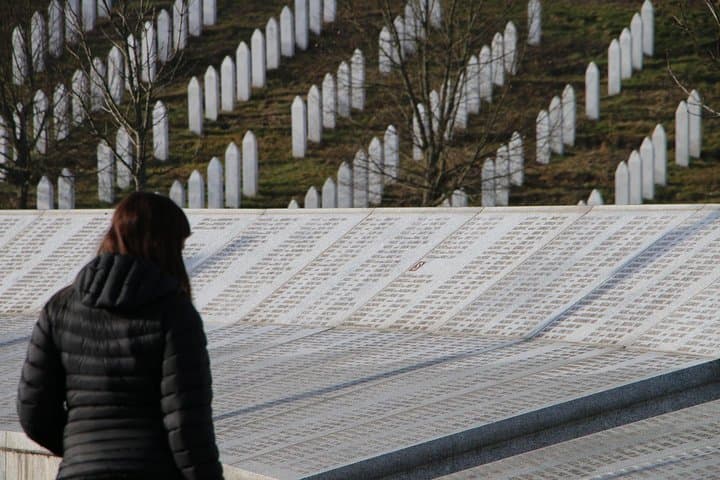
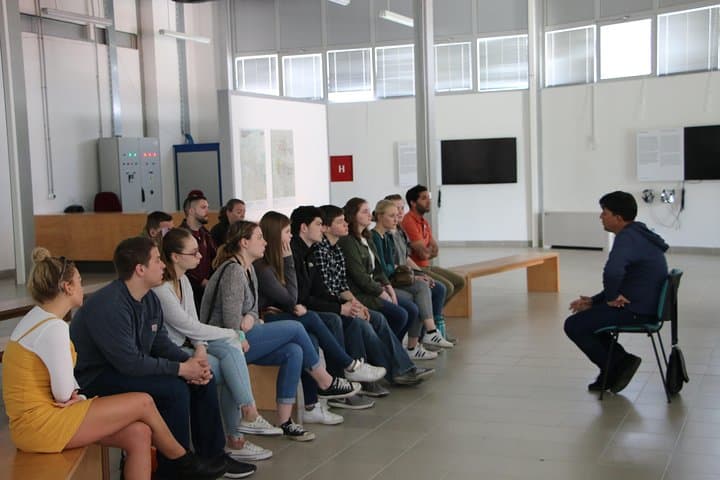
The core of the day is Potocari and the Museum of Srebrenica Genocide. The museum uses multimedia and first-person testimony to explain the collapse of wartime enclaves and the events of July 1995, when thousands of Bosniak men and boys were killed. At the Memorial cemetery white headstones mark identified victims; the site is sober, intentional and demands quiet attention.
Geologically, the route threads karst hills and river-cut valleys; the Drina and smaller tributaries shape pocketed farmland and forested slopes. Culturally, Srebrenica today is a small town where everyday commerce and lingering trauma sit side by side — local guides balance factual presentation with sensitivity.
Practicalities: the full transfer crosses long distances (expect roughly a half-day to full-day itinerary) and ends with a hotel drop-off in Belgrade. Bring your passport for border formalities, wear comfortable shoes for short walks at memorials, and prepare for emotionally intense content. Respect memorial rules: no loud behavior, observe photography guidelines, and allow time after the visit to process the experience. The tour includes bottled water, a sandwich, and a guide; it’s structured for learning rather than sightseeing, and best approached with thoughtful pacing and respect.
easy.
12 hours.
Suitable for most fitness levels—mostly seated travel with short, flat walks at exhibits and the cemetery.
Yes—this route finishes in Belgrade and crosses administrative borders; bring a valid passport and any required visas.
The tour provides a sandwich (Bosnian sausage or vegetarian on request) and bottled water; additional refreshments can be bought in Srebrenica during the stop.
Content covers traumatic events and may be distressing for young children; consider age and emotional readiness before bringing them.
Expect several hours on the road—Sarajevo to Srebrenica is roughly 2–2.5 hours; total door-to-door time spans much of the day depending on traffic and border checks.
Srebrenica was the site of a mass atrocity in July 1995 during the Bosnian War; the Potocari Memorial and Museum document events and ongoing identification of victims.
Visitors should minimize impact at memorial grounds, follow signage, and support the museum and local initiatives that preserve records and care for graves.
Dream Balkans Travel operates guided outdoor trips and adventures with an emphasis on safety, stewardship, and memorable experiences.
You leave Sarajevo on a cool morning, the pedestrian street Ferhadija still busy with last-minute shoppers and coffee smoke. An air-conditioned minivan eases onto the highway and the city gives way to folded hills, pine ridges and the broad river valleys of eastern Bosnia; the road itself becomes a classroom, guided by a driver who punctuates the landscape with history.
You leave Sarajevo on a cool morning, the pedestrian street Ferhadija still busy with last-minute shoppers and coffee smoke. An air-conditioned minivan eases onto the highway and the city gives way to folded hills, pine ridges and the broad river valleys of eastern Bosnia; the road itself becomes a classroom, guided by a driver who punctuates the landscape with history.
The core of the day is Potocari and the Museum of Srebrenica Genocide. The museum uses multimedia and first-person testimony to explain the collapse of wartime enclaves and the events of July 1995, when thousands of Bosniak men and boys were killed. At the Memorial cemetery white headstones mark identified victims; the site is sober, intentional and demands quiet attention.
Geologically, the route threads karst hills and river-cut valleys; the Drina and smaller tributaries shape pocketed farmland and forested slopes. Culturally, Srebrenica today is a small town where everyday commerce and lingering trauma sit side by side — local guides balance factual presentation with sensitivity.
Practicalities: the full transfer crosses long distances (expect roughly a half-day to full-day itinerary) and ends with a hotel drop-off in Belgrade. Bring your passport for border formalities, wear comfortable shoes for short walks at memorials, and prepare for emotionally intense content. Respect memorial rules: no loud behavior, observe photography guidelines, and allow time after the visit to process the experience. The tour includes bottled water, a sandwich, and a guide; it’s structured for learning rather than sightseeing, and best approached with thoughtful pacing and respect.