THE ADVENTURE COLLECTIVE® · Independent discovery and booking for outdoor travel

Trace Sarajevo’s recent past on a 3–4 hour guided route that moves from panoramic valley viewpoints to the Tunnel of Hope and the Olympic bobsled track. This tour mixes clear historical context with accessible walking and powerful, situated storytelling.
Trace Sarajevo’s recent past on a 3–4 hour guided route that moves from panoramic valley viewpoints to the Tunnel of Hope and the Olympic bobsled track. This tour mixes clear historical context with accessible walking and powerful, situated storytelling.
You step onto a ridge above the Miljacka valley and the city spreads below—concrete roofs, minarets, and patches of scarred urban skin. Guides pause here so the view can do part of the telling: the slopes that framed a siege, the river that kept a city’s pulse, and the lines where history still reads on walls and pavements.
Verified experiences and guided adventures in the surrounding area.
Operated by Superb Adventures Tours · Sarajevo, Federation of Bosnia and Herzegovina
You step onto a ridge above the Miljacka valley and the city spreads below—concrete roofs, minarets, and patches of scarred urban skin. Guides pause here so the view can do part of the telling: the slopes that framed a siege, the river that kept a city’s pulse, and the lines where history still reads on walls and pavements.
This tour threads through Sarajevo’s recent past: the Siege of 1992–1995, the improvised Tunnel of Hope that kept supplies moving, and the red concrete blooms locals call Sarajevo Roses—blast sites filled and marked as quiet reminders. Geologically the valley sits within the Dinaric Alps’ foothills, where steep ridgelines and river terraces shaped defensive lines and sniper positions; culturally the route traces everyday life under extraordinary strain and the civic protests that marked resistance.
Expect a mix of short walks, viewpoints, and indoor stops (museum admission included at the tunnel section). You’ll visit the Olympic bobsled track—reused as a wartime line—and several curated exhibits that place artifacts, photographs, and local testimony in context.
Practical guidance: plan 3–4 hours, wear supportive shoes and a weatherproof layer, and bring water and a charged camera. The material is sensitive—guides balance factual narration with respect for survivors—so keep questions thoughtful and recording polite. Morning departures avoid peak sun and crowds; the route is adjustable for mobility needs, but confirm accessibility when you book. This is a city-history walk that pairs strong visuals with precise, human-scale storytelling.
easy.
3–4 hours.
Suitable for most fitness levels; participants should be able to walk short distances, climb some stairs, and stand for explanations.
The tour runs about 3–4 hours with a moderate walking pace, short stops for views and several indoor museum or tunnel sections.
Parts of the tunnel exhibit are accessible, but some sections involve steps or confined spaces—confirm specifics with the operator when booking.
Admission fees for featured stops like the Tunnel of Hope and the bobsled track are included in the tour price.
Photography is generally allowed at outdoor sites; inside exhibits or sensitive memorials may restrict flash or filming—follow the guide’s direction.
The Siege of Sarajevo (1992–1995) was the longest siege of a capital city in modern warfare; the Tunnel of Hope provided a crucial lifeline for supplies and people.
Visitors are encouraged to respect memorial sites and avoid disturbing marked Sarajevo Roses; support local museums and guides who preserve firsthand testimony and artifacts.
Superb Adventures Tours operates guided outdoor trips and adventures with an emphasis on safety, stewardship, and memorable experiences.
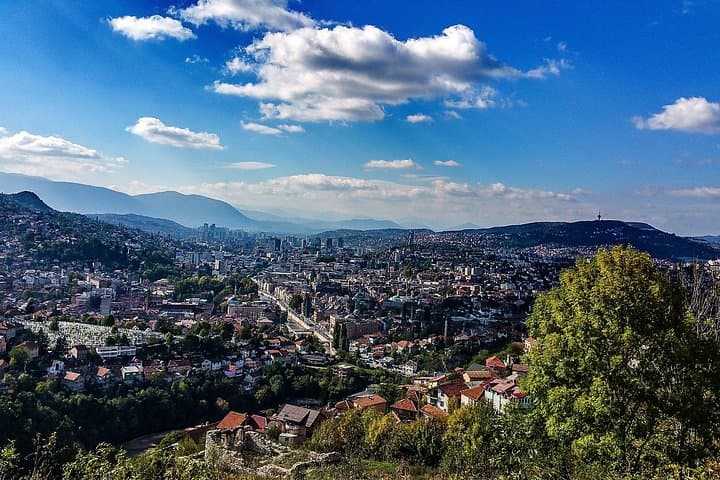
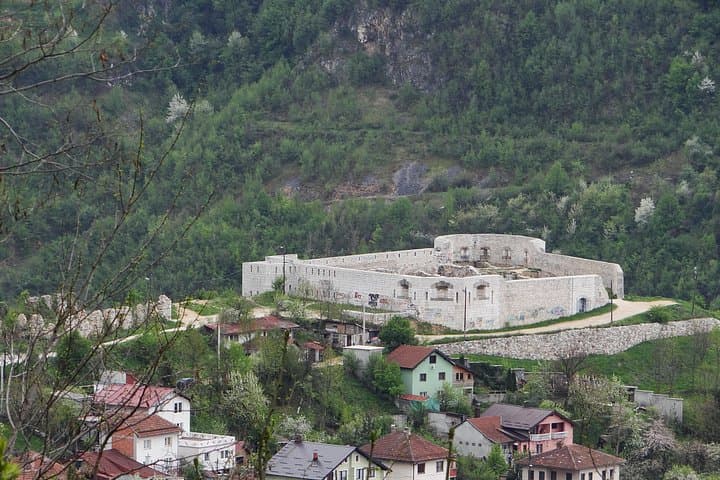
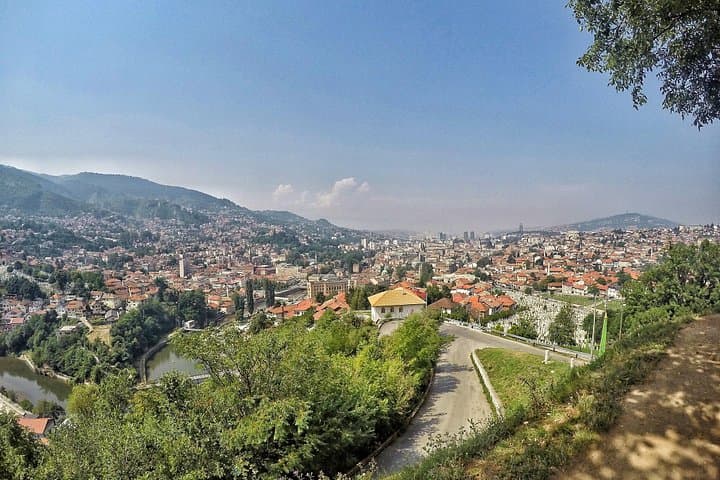
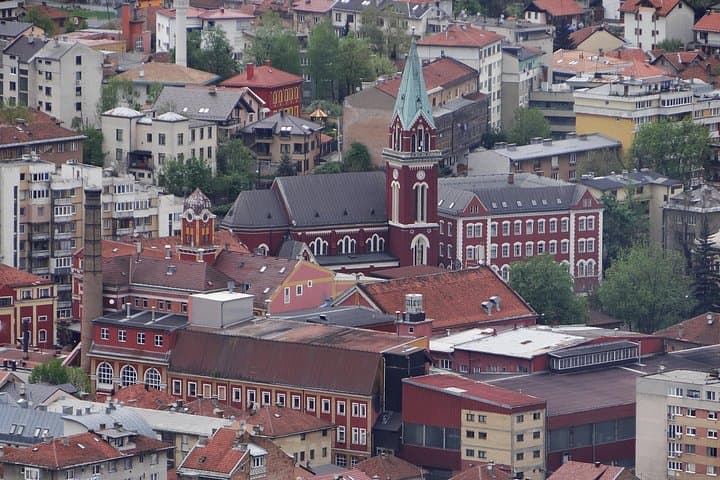
You step onto a ridge above the Miljacka valley and the city spreads below—concrete roofs, minarets, and patches of scarred urban skin. Guides pause here so the view can do part of the telling: the slopes that framed a siege, the river that kept a city’s pulse, and the lines where history still reads on walls and pavements.
You step onto a ridge above the Miljacka valley and the city spreads below—concrete roofs, minarets, and patches of scarred urban skin. Guides pause here so the view can do part of the telling: the slopes that framed a siege, the river that kept a city’s pulse, and the lines where history still reads on walls and pavements.
This tour threads through Sarajevo’s recent past: the Siege of 1992–1995, the improvised Tunnel of Hope that kept supplies moving, and the red concrete blooms locals call Sarajevo Roses—blast sites filled and marked as quiet reminders. Geologically the valley sits within the Dinaric Alps’ foothills, where steep ridgelines and river terraces shaped defensive lines and sniper positions; culturally the route traces everyday life under extraordinary strain and the civic protests that marked resistance.
Expect a mix of short walks, viewpoints, and indoor stops (museum admission included at the tunnel section). You’ll visit the Olympic bobsled track—reused as a wartime line—and several curated exhibits that place artifacts, photographs, and local testimony in context.
Practical guidance: plan 3–4 hours, wear supportive shoes and a weatherproof layer, and bring water and a charged camera. The material is sensitive—guides balance factual narration with respect for survivors—so keep questions thoughtful and recording polite. Morning departures avoid peak sun and crowds; the route is adjustable for mobility needs, but confirm accessibility when you book. This is a city-history walk that pairs strong visuals with precise, human-scale storytelling.