THE ADVENTURE COLLECTIVE® · Independent discovery and booking for outdoor travel

A focused 90-minute walk from the Seaport to the Financial District that follows the 1712 uprising and the lives of free and enslaved Black New Yorkers. Expect close-up history told on ordinary streets, primary-source detail, and a gallery stop.
A focused 90-minute walk from the Seaport to the Financial District that follows the 1712 uprising and the lives of free and enslaved Black New Yorkers. Expect close-up history told on ordinary streets, primary-source detail, and a gallery stop.
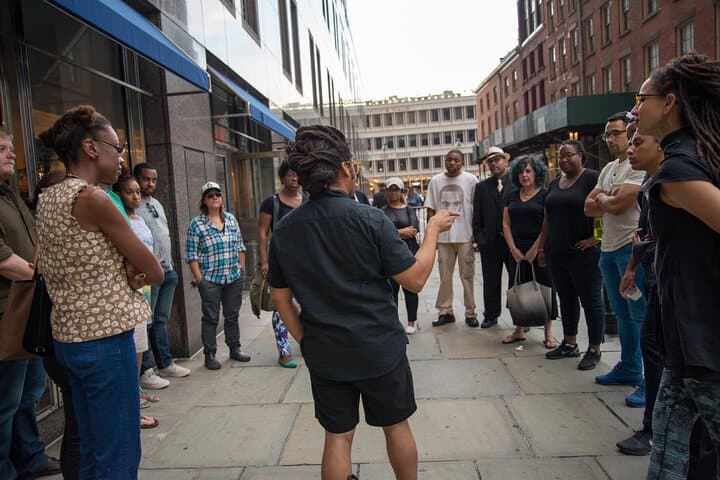
You meet at the Seaport, where wind off the East River lifts the smell of salt and diesel and the cobbles still keep the rhythm of workaday ships. The guide frames the block-by-block walk like a slow inspection of the citys underlayer: stone, ledger, and law. Footsteps fall where seventeenth- and eighteenth-century lives once pressed close to the docks; the present-day skyline watches without interrupting.
Verified experiences and guided adventures in the surrounding area.
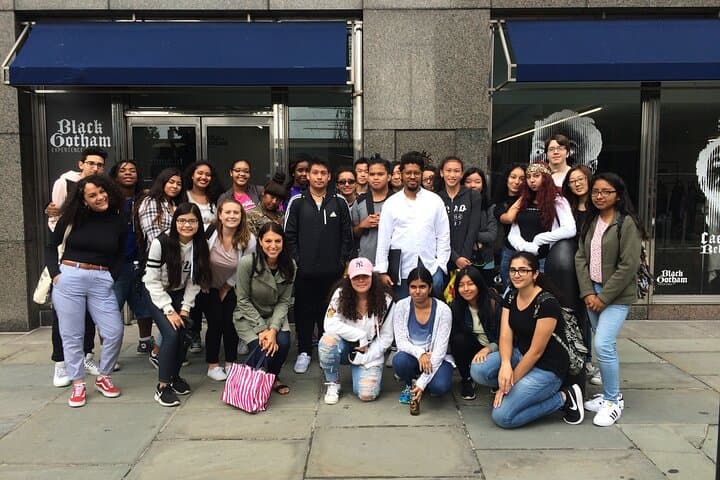
Operated by Black Gotham Experience · New York, New York
You meet at the Seaport, where wind off the East River lifts the smell of salt and diesel and the cobbles still keep the rhythm of workaday ships. The guide frames the block-by-block walk like a slow inspection of the citys underlayer: stone, ledger, and law. Footsteps fall where seventeenth- and eighteenth-century lives once pressed close to the docks; the present-day skyline watches without interrupting.
The tour traces the story known as Sarahs Fire, rooted in the short-lived community called the Land of the Blacks after 1664 and culminating in the April 6, 1712 rebellion led by enslaved and free Black New Yorkers. Geologically, south Manhattan is reclaimed and layered—filled ground, old shoreline, and riprap—so streets can reveal more than their addresses. Culturally, the walk makes visible connections between mercantile power, Atlantic slavery, and the islands ports that linked New York to the West Indies.
Local insight matters here: sites are often ordinary intersections, plaques, or building faces rather than preserved monuments, and a gallery stop adds contemporary context. The narrative balances archival detail with on-the-ground observation so visitors understand how public memory is shaped and where it is absent.
Practical guidance: expect about 90 minutes and continuous walking on flat, sometimes uneven surfaces. Wear supportive shoes, bring water and layered clothing for wind off the river, and arrive early to orient by the Seaport clock and the Beatnic restaurant. Be prepared to listen closely; this is a history delivered in situ rather than behind glass.
easy.
1.5 hours.
Suitable for most fitness levels; participants should be able to stand and walk for 90 minutes on city streets.
The operator lists wheelchair accessibility but expect some uneven pavement; contact the provider ahead to confirm routing and assistance.
The meeting point is in the Seaport District between John and Fulton Street facing the East River, and the tour ends at the corner of Water and Wall Street.
Infants and small children can ride in strollers; the content is historical and may be intense for very young children.
Full refund available if cancelled at least 24 hours before departure; bad weather may result in cancellation.
The walk centers on the April 6, 1712 rebellion and the earlier Land of the Blacks settlement, highlighting New Yorks direct economic ties to Atlantic slavery and Caribbean plantations.
This tour emphasizes keeping historic urban fabric intact by encouraging respectful visitation, and guides ask groups to minimize street-side congestion and avoid touching fragile architectural details.
Black Gotham Experience operates guided outdoor trips and adventures with an emphasis on safety, stewardship, and memorable experiences.

You meet at the Seaport, where wind off the East River lifts the smell of salt and diesel and the cobbles still keep the rhythm of workaday ships. The guide frames the block-by-block walk like a slow inspection of the citys underlayer: stone, ledger, and law. Footsteps fall where seventeenth- and eighteenth-century lives once pressed close to the docks; the present-day skyline watches without interrupting.
You meet at the Seaport, where wind off the East River lifts the smell of salt and diesel and the cobbles still keep the rhythm of workaday ships. The guide frames the block-by-block walk like a slow inspection of the citys underlayer: stone, ledger, and law. Footsteps fall where seventeenth- and eighteenth-century lives once pressed close to the docks; the present-day skyline watches without interrupting.
The tour traces the story known as Sarahs Fire, rooted in the short-lived community called the Land of the Blacks after 1664 and culminating in the April 6, 1712 rebellion led by enslaved and free Black New Yorkers. Geologically, south Manhattan is reclaimed and layered—filled ground, old shoreline, and riprap—so streets can reveal more than their addresses. Culturally, the walk makes visible connections between mercantile power, Atlantic slavery, and the islands ports that linked New York to the West Indies.
Local insight matters here: sites are often ordinary intersections, plaques, or building faces rather than preserved monuments, and a gallery stop adds contemporary context. The narrative balances archival detail with on-the-ground observation so visitors understand how public memory is shaped and where it is absent.
Practical guidance: expect about 90 minutes and continuous walking on flat, sometimes uneven surfaces. Wear supportive shoes, bring water and layered clothing for wind off the river, and arrive early to orient by the Seaport clock and the Beatnic restaurant. Be prepared to listen closely; this is a history delivered in situ rather than behind glass.