THE ADVENTURE COLLECTIVE® · Independent discovery and booking for outdoor travel

Walk where Egyptian statecraft and stone first met. This half-day tour pairs the Step Pyramid of Djoser at Saqqara with the open-air museum of ancient Memphis—complete with guided interpretation and a restaurant lunch.
Walk where Egyptian statecraft and stone first met. This half-day tour pairs the Step Pyramid of Djoser at Saqqara with the open-air museum of ancient Memphis—complete with guided interpretation and a restaurant lunch.
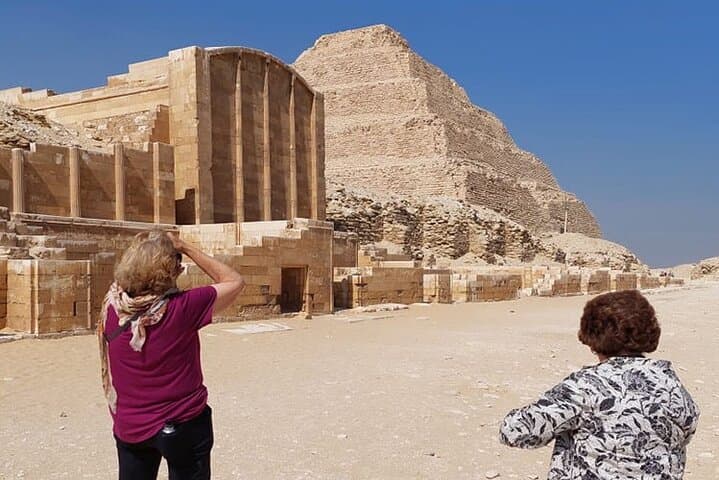
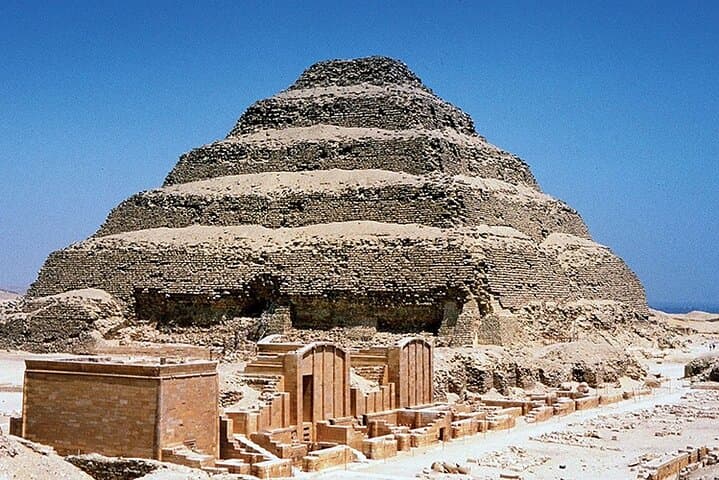
The morning light over the desert edge falls flat and gold as you step out of the van onto packed sand. Wind moves through low scrub and the Step Pyramid rises in stages ahead—ancient stone stacked like a stairway to a very different sky. With Cairo shrinking in the rearview, the silence here is the kind that lets carvings and old names speak.
Verified experiences and guided adventures in the surrounding area.
Operated by Egypt mysterious tours · Cairo, Cairo Governorate
The morning light over the desert edge falls flat and gold as you step out of the van onto packed sand. Wind moves through low scrub and the Step Pyramid rises in stages ahead—ancient stone stacked like a stairway to a very different sky. With Cairo shrinking in the rearview, the silence here is the kind that lets carvings and old names speak.
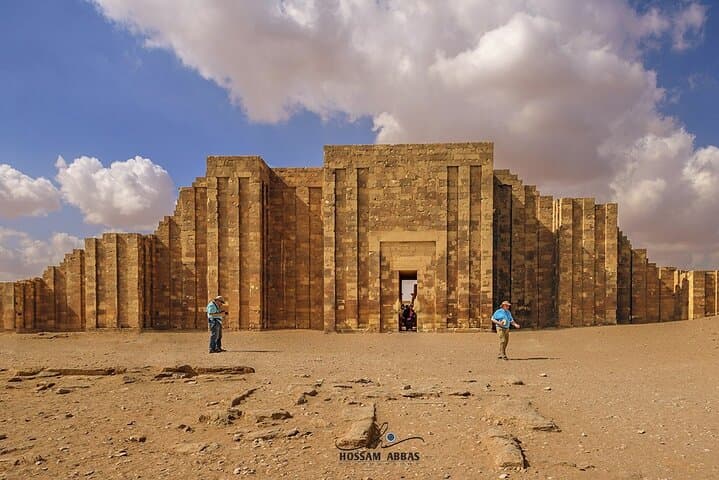
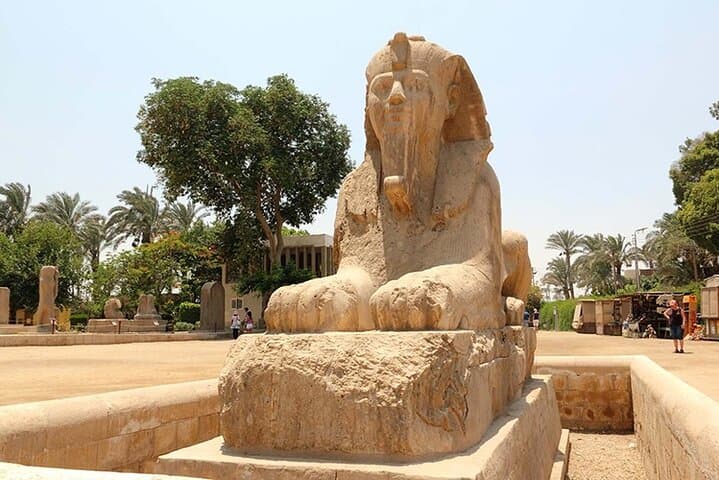
Saqqara is where the experiment of stone construction began: Djoser’s Step Pyramid, built in the 27th century BCE, marks the move from mudbrick to dressed stone and set the blueprint for later royal tombs. Nearby Memphis, once Egypt’s administrative heart, now shows the scale of pharaonic ambition in scattered colossi and an alabaster sphinx. Geology matters here—limestone beds underlie the plateau, and centuries of wind and sand have both exposed and eroded buried chambers.
Culturally, the sites offer more than monuments: tomb reliefs record daily life, and the Imhotep Museum displays finds that connect workshop to statecraft. Guides will thread stories of priests, craftsmen, and quarrymen through the ruins, giving context to what otherwise looks like stone and shadow.
Practical side: plan a half-day, arrive early to avoid heat and crowds, and bring sun protection, sturdy shoes, and a reusable water bottle. Photography is allowed in many areas but respect ropes and signage—many surfaces are fragile. Expect uneven ground and short stair sections; a modest level of mobility is helpful. With a knowledgeable Egyptologist and a restaurant lunch included, this combo tour is an efficient way to see foundational sites of ancient Egypt without the long Giza crowds.
easy.
4–6 hours.
Suitable for most travelers who can walk short distances over uneven ground and climb a few low steps.
Yes — entry to the Saqqara area and access per the itinerary are included; internal chamber access can be limited for conservation and guest safety.
Transfer vehicles and many surfaces are accessible, but some tombs and uneven outdoor areas may not be fully navigable for wheelchair users.
Yes — a VIP restaurant lunch is included as stated in the tour inclusions.
Saqqara is roughly 30–45 minutes south of central Cairo depending on traffic; Memphis is nearby, making this a compact half-day route.
Saqqara served as the necropolis for Memphis; Djoser’s Step Pyramid (c. 27th century BCE) represents the first monumental stone building in Egypt.
Erosion, visitor wear, and urban expansion threaten exposed ruins; follow signage, avoid touching reliefs, and support local conservation efforts by using licensed guides.
Egypt mysterious tours operates guided outdoor trips and adventures with an emphasis on safety, stewardship, and memorable experiences.
The morning light over the desert edge falls flat and gold as you step out of the van onto packed sand. Wind moves through low scrub and the Step Pyramid rises in stages ahead—ancient stone stacked like a stairway to a very different sky. With Cairo shrinking in the rearview, the silence here is the kind that lets carvings and old names speak.
The morning light over the desert edge falls flat and gold as you step out of the van onto packed sand. Wind moves through low scrub and the Step Pyramid rises in stages ahead—ancient stone stacked like a stairway to a very different sky. With Cairo shrinking in the rearview, the silence here is the kind that lets carvings and old names speak.
Saqqara is where the experiment of stone construction began: Djoser’s Step Pyramid, built in the 27th century BCE, marks the move from mudbrick to dressed stone and set the blueprint for later royal tombs. Nearby Memphis, once Egypt’s administrative heart, now shows the scale of pharaonic ambition in scattered colossi and an alabaster sphinx. Geology matters here—limestone beds underlie the plateau, and centuries of wind and sand have both exposed and eroded buried chambers.
Culturally, the sites offer more than monuments: tomb reliefs record daily life, and the Imhotep Museum displays finds that connect workshop to statecraft. Guides will thread stories of priests, craftsmen, and quarrymen through the ruins, giving context to what otherwise looks like stone and shadow.
Practical side: plan a half-day, arrive early to avoid heat and crowds, and bring sun protection, sturdy shoes, and a reusable water bottle. Photography is allowed in many areas but respect ropes and signage—many surfaces are fragile. Expect uneven ground and short stair sections; a modest level of mobility is helpful. With a knowledgeable Egyptologist and a restaurant lunch included, this combo tour is an efficient way to see foundational sites of ancient Egypt without the long Giza crowds.