THE ADVENTURE COLLECTIVE® · Independent discovery and booking for outdoor travel

Spend a full day from Sapporo visiting Lake Toya, Cape Chikyu and Noboribetsu Jigokudani by private car. Expect volcanic steam, clear caldera views, coastal lookouts and accessible short walks with local food stops.
Spend a full day from Sapporo visiting Lake Toya, Cape Chikyu and Noboribetsu Jigokudani by private car. Expect volcanic steam, clear caldera views, coastal lookouts and accessible short walks with local food stops.
Morning light lifts off Sapporo and you’re already sliding through Hokkaido’s mosaic of spruce and farmland, bound for steaming craters and a glassy caldera. The day opens at Nakayama Pass—wind pushing the air like a slow hand—then climbs to the Silo Observatory, where Lake Toya’s perfect curve sits below, a calm eye set into volcanic ground.
Verified experiences and guided adventures in the surrounding area.
Operated by Tabi._.daruma · Sapporo, Hokkaido
Morning light lifts off Sapporo and you’re already sliding through Hokkaido’s mosaic of spruce and farmland, bound for steaming craters and a glassy caldera. The day opens at Nakayama Pass—wind pushing the air like a slow hand—then climbs to the Silo Observatory, where Lake Toya’s perfect curve sits below, a calm eye set into volcanic ground.
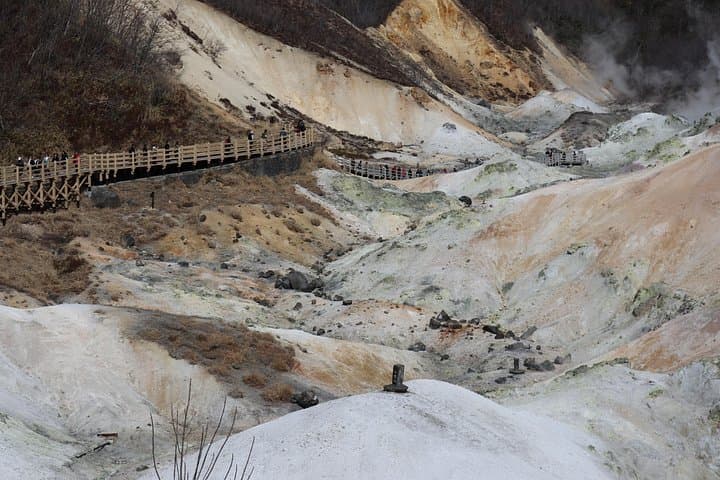
This route threads recent geology and human history: Lake Toya fills a volcanic caldera formed by eruptions of Mount Usu; Noboribetsu Jigokudani (Hell Valley) is the visible vent system that still breathes steam, feeding ryokan and public baths. The Ainu once hunted and traveled these coasts; today small confectioneries like Wakasaimo at Toya remind visitors of local culinary tradition.
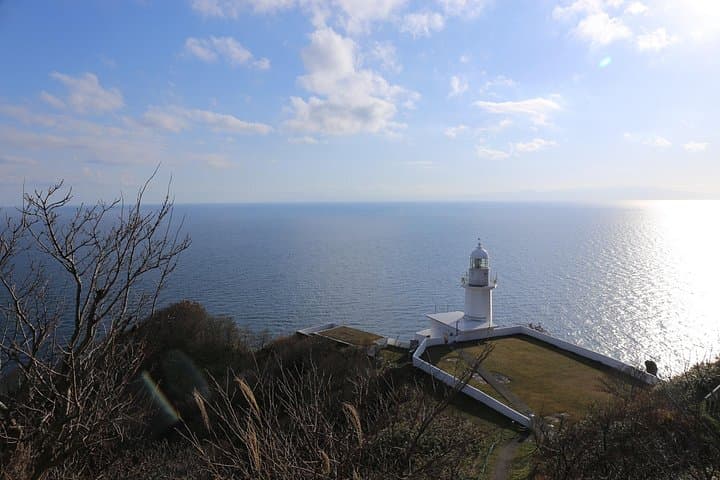
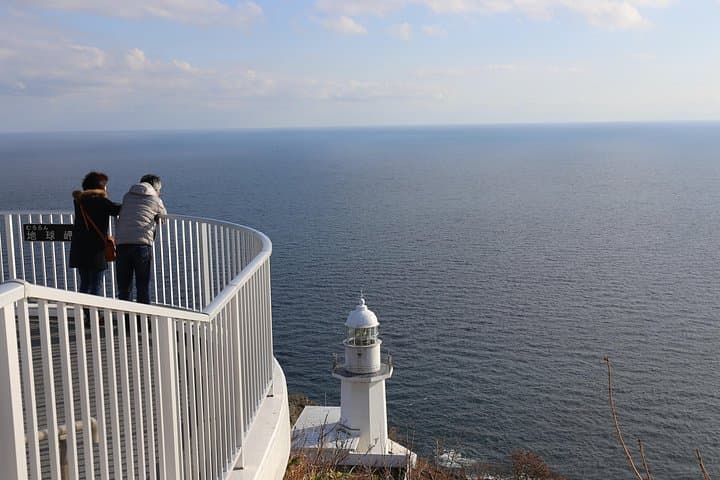
The itinerary balances slow lake-side time—walks and lunch on Toya—with a coastal pulse at Cape Chikyu, where the Pacific stretches to the horizon, and a raw, sulfur-scented stop at Hell Valley. Terrain is short paved walks, a few inclines at viewpoints, and boardwalks near hot springs; nothing technical, but the ground and weather demand attention.
Practical edge: plan for an 8–10 hour day, wear layered waterproofs, and bring cash for souvenirs and local snacks. Mornings are best for clear views; late afternoon can bring steam and haze from the valley. Expect accessible stops for most fitness levels, but allow time for photography and brief walks. This private-car loop delivers volcanic drama, coastal air, and lake calm in one accessible Hokkaido day.
moderate.
8–10 hours.
Suitable for most people who can manage short paved walks and brief uphill viewpoints; minimal endurance required.
Yes—the tour departs from Sapporo with private transportation; confirm exact pickup point when booking.
Lunch is not included; the schedule allows time at Lake Toya for a leisurely meal and local confectionery stops are recommended.
Many stops have accessible viewpoints and the vehicle can be wheelchair-accessible—notify the operator of needs in advance.
The operator may cancel for safety and offers a full refund if canceled at least 24 hours prior; short-term changes can occur due to visibility or road conditions.
The Toya area sits on a volcanic caldera formed by historic eruptions of Mount Usu; Noboribetsu’s hot springs have long supplied local baths and shaped settlement patterns.
Respect thermal areas by staying on boardwalks and avoid feeding wildlife; many ryokan sustainably manage hot spring water use and local waste.
Tabi._.daruma operates guided outdoor trips and adventures with an emphasis on safety, stewardship, and memorable experiences.
Morning light lifts off Sapporo and you’re already sliding through Hokkaido’s mosaic of spruce and farmland, bound for steaming craters and a glassy caldera. The day opens at Nakayama Pass—wind pushing the air like a slow hand—then climbs to the Silo Observatory, where Lake Toya’s perfect curve sits below, a calm eye set into volcanic ground.
Morning light lifts off Sapporo and you’re already sliding through Hokkaido’s mosaic of spruce and farmland, bound for steaming craters and a glassy caldera. The day opens at Nakayama Pass—wind pushing the air like a slow hand—then climbs to the Silo Observatory, where Lake Toya’s perfect curve sits below, a calm eye set into volcanic ground.
This route threads recent geology and human history: Lake Toya fills a volcanic caldera formed by eruptions of Mount Usu; Noboribetsu Jigokudani (Hell Valley) is the visible vent system that still breathes steam, feeding ryokan and public baths. The Ainu once hunted and traveled these coasts; today small confectioneries like Wakasaimo at Toya remind visitors of local culinary tradition.
The itinerary balances slow lake-side time—walks and lunch on Toya—with a coastal pulse at Cape Chikyu, where the Pacific stretches to the horizon, and a raw, sulfur-scented stop at Hell Valley. Terrain is short paved walks, a few inclines at viewpoints, and boardwalks near hot springs; nothing technical, but the ground and weather demand attention.
Practical edge: plan for an 8–10 hour day, wear layered waterproofs, and bring cash for souvenirs and local snacks. Mornings are best for clear views; late afternoon can bring steam and haze from the valley. Expect accessible stops for most fitness levels, but allow time for photography and brief walks. This private-car loop delivers volcanic drama, coastal air, and lake calm in one accessible Hokkaido day.