THE ADVENTURE COLLECTIVE® · Independent discovery and booking for outdoor travel

Train in a compact Sapporo dojo where bamboo swords sing and basic kendo technique meets cultural instruction. This two-hour class teaches stance, basic strikes, and the philosophy of "do"—no prior experience required.
Train in a compact Sapporo dojo where bamboo swords sing and basic kendo technique meets cultural instruction. This two-hour class teaches stance, basic strikes, and the philosophy of "do"—no prior experience required.
You step off a brisk east-Hokkaido street into a low-ceilinged dojo; the air smells faintly of lacquered wood and the floor answers every footfall with a dry, confident clap. An instructor in crisp keikogi demonstrates a strike and the bamboo shinai hums—practice becomes conversation between body and wood.
Verified experiences and guided adventures in the surrounding area.
Operated by Takeru · Sapporo, Hokkaido
You step off a brisk east-Hokkaido street into a low-ceilinged dojo; the air smells faintly of lacquered wood and the floor answers every footfall with a dry, confident clap. An instructor in crisp keikogi demonstrates a strike and the bamboo shinai hums—practice becomes conversation between body and wood.
Kendo grew from kenjutsu—the combat arts of the samurai—and was standardized into a modern sport and discipline during the Meiji and Taisho eras. In contemporary Sapporo, the art keeps that lineage alive: etiquette, timing and spirit matter as much as technique. The class pairs basic strikes and footwork with a short lecture on the Japanese “do” (way), and even includes a calligraphy moment to write your name in kanji.
The setting in Hokkaido’s eastern fringe is practical: cold winters sharpen focus and city transit makes the dojo reachable by tram or subway. Locals appreciate concise, respectful practice—arrive on time, bow, and remove shoes before entering the training area.
Practical guidance: expect two hours of warm-up, basic kamae (stance), men, kote and do strikes, then a supervised finishing strike to the instructor’s armor. Rental keikogi and a shinai are provided; bottled water and light rest breaks are included. The session is accessible to beginners but not recommended for pregnant guests or those with serious back or heart conditions. Wear comfortable, modest athletic clothing and be ready to stand, move, and strike repeatedly. Photography is welcomed after practice; ask before filming active drills.
This is a compact, focused cultural-physical experience—part workout, part living-history lesson—ideal for travelers who want hands-on contact with Japanese martial tradition.
easy.
2 hours.
Able to stand, move, and perform light aerobic activity; suitable for most beginners with normal fitness
No—this class is designed for beginners and covers basic stances, strikes and etiquette with patient instruction.
Wear comfortable athletic clothing; the instructor provides a rental shinai and can arrange keikogi rental—bring workout shorts/pants and a top to change into.
Yes; the facility notes wheelchair accessibility for entry and surfaces, but some activities will be adapted for mobility limitations.
Children can participate depending on age and maturity; the class is not recommended for pregnant guests or people with serious spinal or heart conditions—disclose health concerns at booking.
Kendo evolved from samurai swordsmanship (kenjutsu) and was formalized as a modern discipline in the late 19th and early 20th centuries; practice emphasizes form, spirit and etiquette.
Travel by public transit to reduce local impact, and observe dojo rules that protect wooden floors and shared equipment—respectful use prolongs community resources.
Takeru operates guided outdoor trips and adventures with an emphasis on safety, stewardship, and memorable experiences.
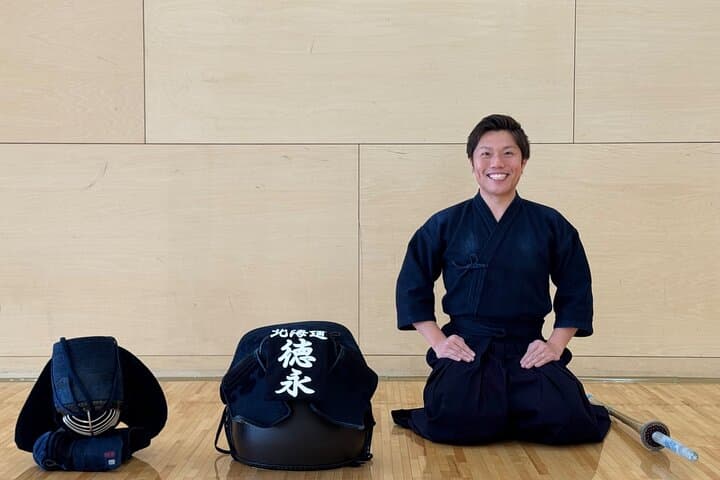
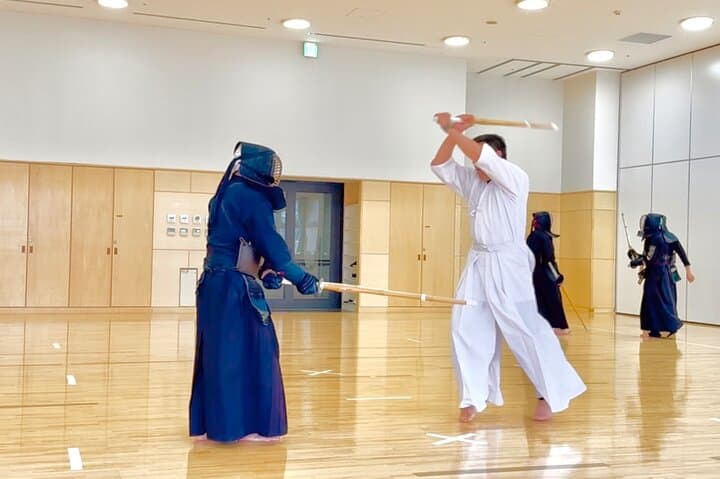
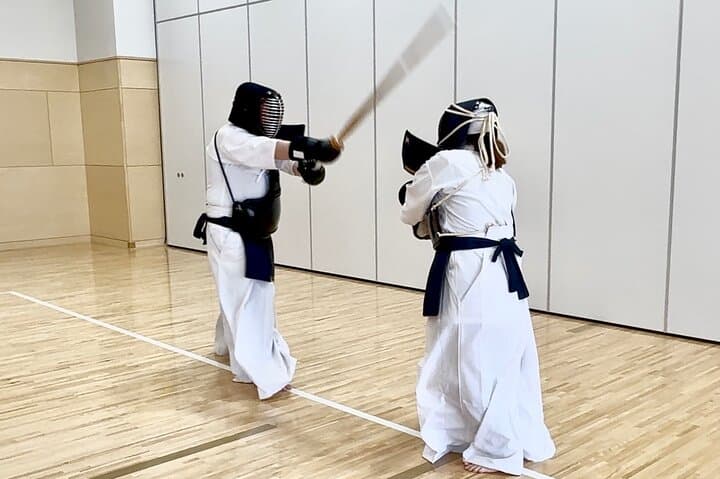
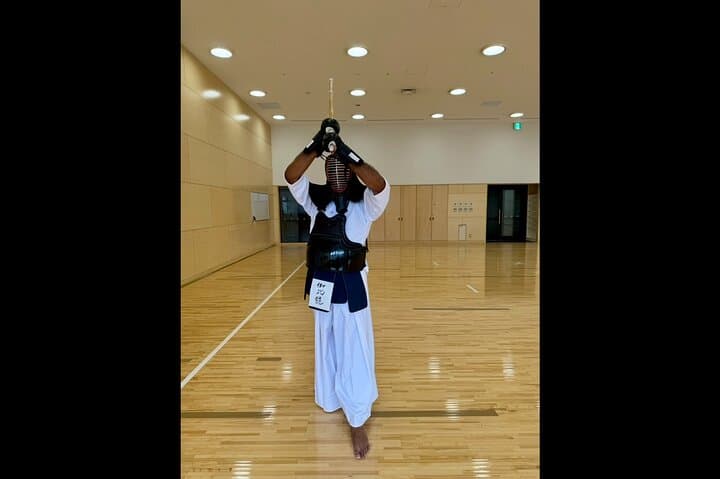
You step off a brisk east-Hokkaido street into a low-ceilinged dojo; the air smells faintly of lacquered wood and the floor answers every footfall with a dry, confident clap. An instructor in crisp keikogi demonstrates a strike and the bamboo shinai hums—practice becomes conversation between body and wood.
You step off a brisk east-Hokkaido street into a low-ceilinged dojo; the air smells faintly of lacquered wood and the floor answers every footfall with a dry, confident clap. An instructor in crisp keikogi demonstrates a strike and the bamboo shinai hums—practice becomes conversation between body and wood.
Kendo grew from kenjutsu—the combat arts of the samurai—and was standardized into a modern sport and discipline during the Meiji and Taisho eras. In contemporary Sapporo, the art keeps that lineage alive: etiquette, timing and spirit matter as much as technique. The class pairs basic strikes and footwork with a short lecture on the Japanese “do” (way), and even includes a calligraphy moment to write your name in kanji.
The setting in Hokkaido’s eastern fringe is practical: cold winters sharpen focus and city transit makes the dojo reachable by tram or subway. Locals appreciate concise, respectful practice—arrive on time, bow, and remove shoes before entering the training area.
Practical guidance: expect two hours of warm-up, basic kamae (stance), men, kote and do strikes, then a supervised finishing strike to the instructor’s armor. Rental keikogi and a shinai are provided; bottled water and light rest breaks are included. The session is accessible to beginners but not recommended for pregnant guests or those with serious back or heart conditions. Wear comfortable, modest athletic clothing and be ready to stand, move, and strike repeatedly. Photography is welcomed after practice; ask before filming active drills.
This is a compact, focused cultural-physical experience—part workout, part living-history lesson—ideal for travelers who want hands-on contact with Japanese martial tradition.