THE ADVENTURE COLLECTIVE® · Independent discovery and booking for outdoor travel

Explore Sapporo on a six-hour private walking tour led by a government-licensed English guide. Customize your route to include markets, museums, parks, and a sunset viewpoint while learning the city’s Meiji-era history and northern geography.
Explore Sapporo on a six-hour private walking tour led by a government-licensed English guide. Customize your route to include markets, museums, parks, and a sunset viewpoint while learning the city’s Meiji-era history and northern geography.
The city unfolds beneath a low Hokkaido sky as you step out from a central hotel — broad boulevards, the hum of trams, and the green spine of Odori Park drawing you forward. A licensed English-speaking guide sets the pace, pointing out the TV Tower’s clockface, the tidy rows of market stalls, and the first hints of the island’s northern climate in the air.
Verified experiences and guided adventures in the surrounding area.
Operated by Japan Guide Agency · Sapporo, Hokkaido
The city unfolds beneath a low Hokkaido sky as you step out from a central hotel — broad boulevards, the hum of trams, and the green spine of Odori Park drawing you forward. A licensed English-speaking guide sets the pace, pointing out the TV Tower’s clockface, the tidy rows of market stalls, and the first hints of the island’s northern climate in the air.
Sapporo is a young city by Japanese standards, shaped by Meiji-era planning and the migration that turned Hokkaido into an agricultural and industrial outpost. Volcanic and glacial forces sculpted the island’s backdrop; urban Sapporo sits on alluvial plains with volcanic peaks visible beyond the skyline. The walking tour threads modern landmarks (Sapporo Factory, craft breweries) with cultural sites (Hokkaidō Shrine, Ainu heritage exhibits) and seasonal highlights — from the giant snow sculptures in February to cherry blossoms on Maruyama’s slopes.
Guides customize a six-hour route to include 3–4 must-see stops: a seafood breakfast at Nijo Market, Noguchi’s Moerenuma Park for bold landscape sculpture, the Historic Village for Meiji-era buildings, or a cableway ride up Mount Moiwa at sunset.
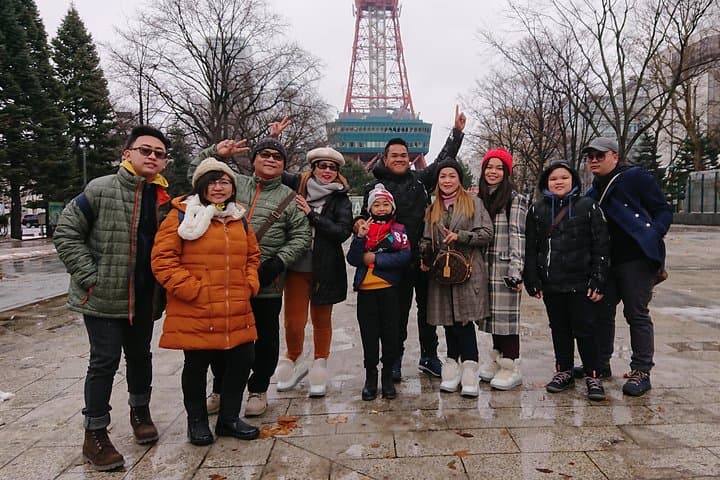
Practical edge: this is a walking tour for all fitness levels but expect up to six hours of on-foot time with frequent stops. Public transit links are close; small-group private format (max 10) means the guide can adapt pace and accessibility. Carry local cash for market vendors, layer for sudden weather shifts, and book at least a day ahead during festival and ski seasons. With a smart itinerary, six hours reveals how Sapporo’s history, geology, and flavors fit together on foot.
easy.
6 hours.
Suitable for most fitness levels; participants should be comfortable standing and walking several kilometers over the course of the day.
Meeting is arranged on foot within a designated central Sapporo area—confirm your preferred hotel or landmark during booking for exact directions.
Yes—most areas and surfaces noted in the tour are wheelchair accessible; discuss specific mobility needs when booking so the guide can tailor the route.
Yes—choose up to 3–4 sites from the itinerary list; a Moiwa cableway ride or a short Jozankei onsen stop can be included when time allows.
Full refund if canceled at least 24 hours before departure; tours may be canceled for severe weather.
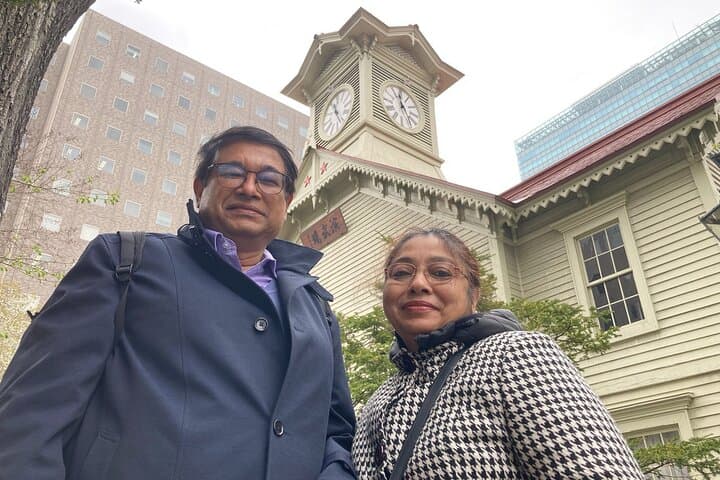
Sapporo grew rapidly during the Meiji era as Hokkaido was developed for agriculture and industry; many public buildings reflect that late-19th-century planning.
Hokkaido balances tourism with habitat protection—respect signage in parks, follow waste-sorting rules, and avoid disturbing local green spaces.
Japan Guide Agency operates guided outdoor trips and adventures with an emphasis on safety, stewardship, and memorable experiences.
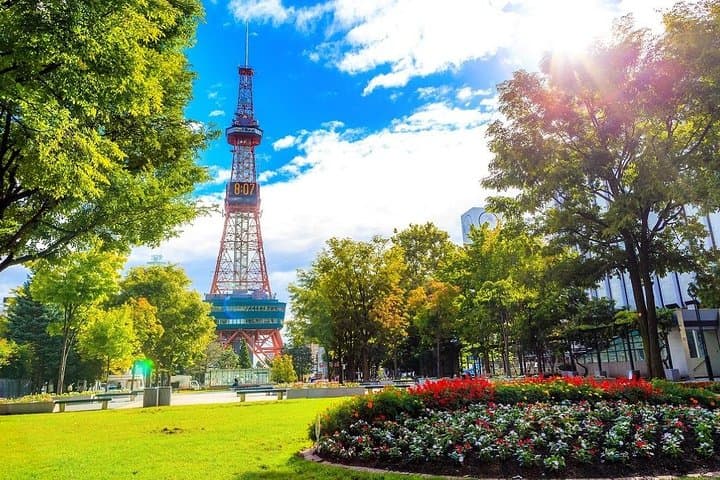
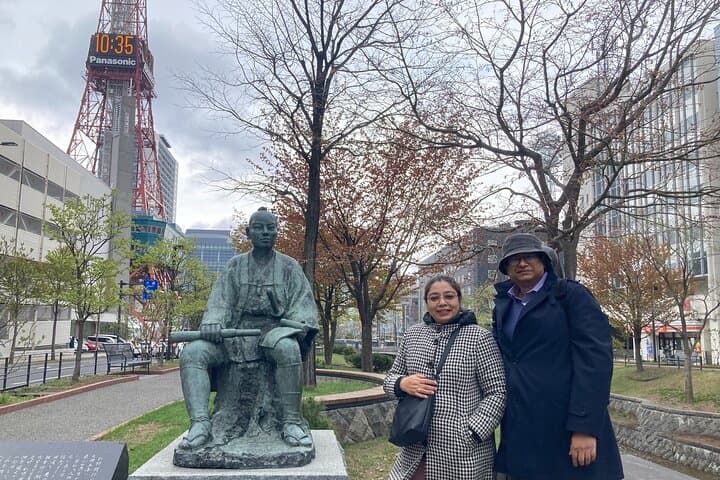
The city unfolds beneath a low Hokkaido sky as you step out from a central hotel — broad boulevards, the hum of trams, and the green spine of Odori Park drawing you forward. A licensed English-speaking guide sets the pace, pointing out the TV Tower’s clockface, the tidy rows of market stalls, and the first hints of the island’s northern climate in the air.
The city unfolds beneath a low Hokkaido sky as you step out from a central hotel — broad boulevards, the hum of trams, and the green spine of Odori Park drawing you forward. A licensed English-speaking guide sets the pace, pointing out the TV Tower’s clockface, the tidy rows of market stalls, and the first hints of the island’s northern climate in the air.
Sapporo is a young city by Japanese standards, shaped by Meiji-era planning and the migration that turned Hokkaido into an agricultural and industrial outpost. Volcanic and glacial forces sculpted the island’s backdrop; urban Sapporo sits on alluvial plains with volcanic peaks visible beyond the skyline. The walking tour threads modern landmarks (Sapporo Factory, craft breweries) with cultural sites (Hokkaidō Shrine, Ainu heritage exhibits) and seasonal highlights — from the giant snow sculptures in February to cherry blossoms on Maruyama’s slopes.
Guides customize a six-hour route to include 3–4 must-see stops: a seafood breakfast at Nijo Market, Noguchi’s Moerenuma Park for bold landscape sculpture, the Historic Village for Meiji-era buildings, or a cableway ride up Mount Moiwa at sunset.
Practical edge: this is a walking tour for all fitness levels but expect up to six hours of on-foot time with frequent stops. Public transit links are close; small-group private format (max 10) means the guide can adapt pace and accessibility. Carry local cash for market vendors, layer for sudden weather shifts, and book at least a day ahead during festival and ski seasons. With a smart itinerary, six hours reveals how Sapporo’s history, geology, and flavors fit together on foot.