THE ADVENTURE COLLECTIVE® · Independent discovery and booking for outdoor travel

Spend a day exploring Sapporo on foot and public transport: Hokkaido Shrine’s uphill approach, a market lunch, Mt. Moiwa’s ropeway views and a secret café or artisan stop revealed by a local guide. This full-day tour balances cultural history, easy walking and efficient transport planning.
Spend a day exploring Sapporo on foot and public transport: Hokkaido Shrine’s uphill approach, a market lunch, Mt. Moiwa’s ropeway views and a secret café or artisan stop revealed by a local guide. This full-day tour balances cultural history, easy walking and efficient transport planning.
The guide is waiting beneath the Sapporo TV Tower, flag in hand, as winter-leaning sunlight threads between boulevard trees. You step away from the grid of Odori Park and into neighborhoods where ceramic workshops and second-floor coffee bars keep their doors partially closed to keep stories inside. The day stitches together public transport, short hikes and quiet streets—Hokkaido Shrine’s torii looms after a steady uphill approach, the city’s timbered past rubbing shoulders with Meiji-era expansion.
Verified experiences and guided adventures in the surrounding area.
Operated by Monchan Travel · Sapporo, Hokkaido
The guide is waiting beneath the Sapporo TV Tower, flag in hand, as winter-leaning sunlight threads between boulevard trees. You step away from the grid of Odori Park and into neighborhoods where ceramic workshops and second-floor coffee bars keep their doors partially closed to keep stories inside. The day stitches together public transport, short hikes and quiet streets—Hokkaido Shrine’s torii looms after a steady uphill approach, the city’s timbered past rubbing shoulders with Meiji-era expansion.
Sapporo’s layout dates to the late 1800s when the city was planned as Hokkaido opened to settlement; Mt. Moiwa, rising to roughly 531 meters, became a lookout and later a leisure destination served by ropeway. The tour mixes civic history, local food culture and a surprise stop—a small artisan shop or retro café—selected day-of from neighborhood knowledge.
Expect about 4 km of walking across mostly paved streets, some uphill at the shrine, and a cable-ride summit (subject to wind closures). Guides navigate transfers, purchase public-transport tickets and lead a market lunch, so you concentrate on smells, textures and street-level discoveries. If the ropeway is closed, the group pivots to the Okurayama Olympic Museum—another angle on Sapporo’s 20th-century story.
Practically: wear grippy shoes, bring a layered jacket and a small daypack, and keep a portable charger for photos. Morning light suits shrine photos; late afternoon improves summit panoramas. The tour is equal parts city walk and low-elevation outing—perfect for travelers who want local insight without the logistics.
moderate.
9–10 hours.
Moderate fitness: comfortable walking for 4 km with some uphill sections and stairs; able to stand during market visits.
Guides will adapt the itinerary—common alternatives include Okurayama Olympic Museum or extra time at local markets and viewpoints.
Total walking is approximately 4 kilometers over paved streets with some uphill approaches and stairs at Hokkaido Shrine and stations.
Yes—public transportation used during the tour and a market-style lunch, plus coffee/tea, are included in the price.
This tour is not recommended for those who have difficulty walking or require wheelchair access due to stairs and uphill paths.
Sapporo was laid out during the Meiji era as Hokkaido was developed; Hokkaido Shrine commemorates pioneers and regional kami tied to the island’s settlement.
Stay on paths around sacred and park areas, avoid feeding wildlife, and support small local businesses to help sustain neighborhood economies.
Monchan Travel operates guided outdoor trips and adventures with an emphasis on safety, stewardship, and memorable experiences.
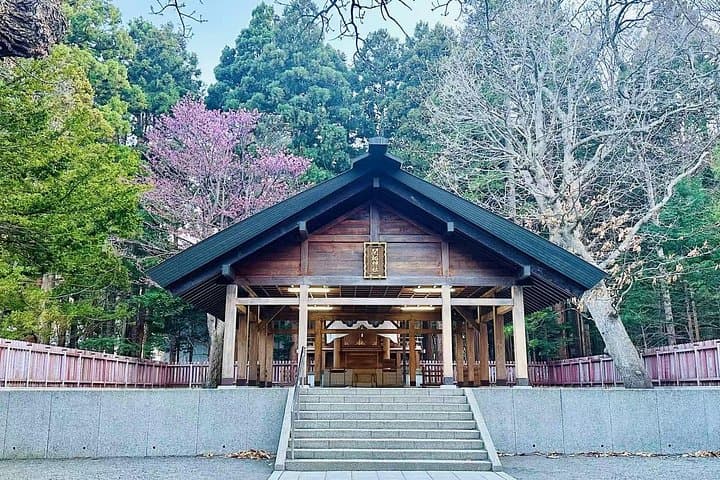
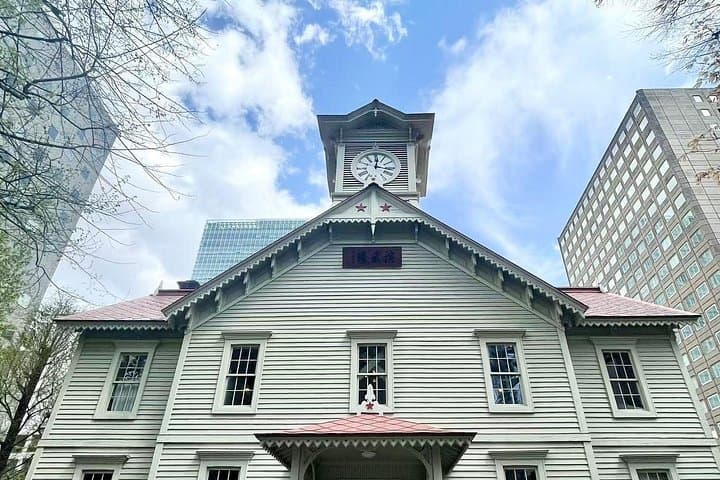
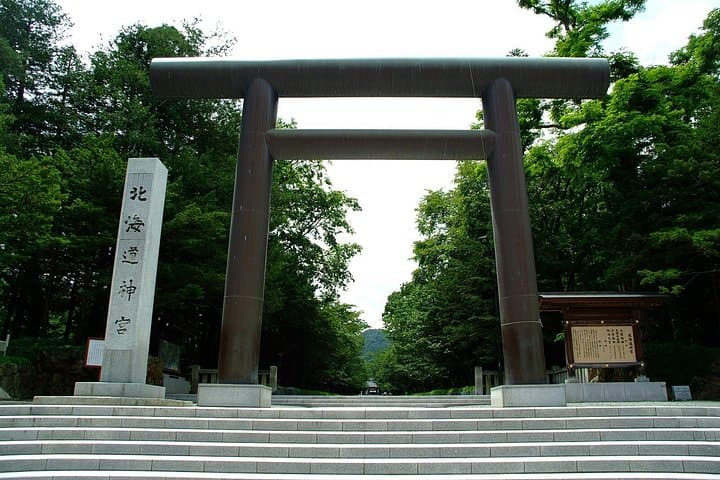
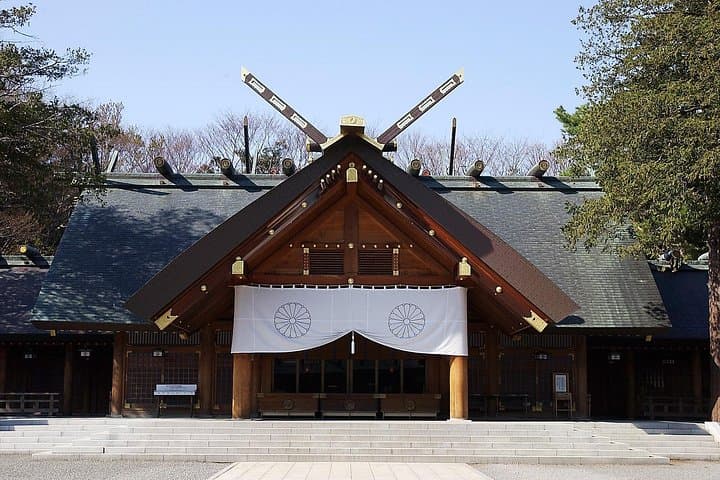
The guide is waiting beneath the Sapporo TV Tower, flag in hand, as winter-leaning sunlight threads between boulevard trees. You step away from the grid of Odori Park and into neighborhoods where ceramic workshops and second-floor coffee bars keep their doors partially closed to keep stories inside. The day stitches together public transport, short hikes and quiet streets—Hokkaido Shrine’s torii looms after a steady uphill approach, the city’s timbered past rubbing shoulders with Meiji-era expansion.
The guide is waiting beneath the Sapporo TV Tower, flag in hand, as winter-leaning sunlight threads between boulevard trees. You step away from the grid of Odori Park and into neighborhoods where ceramic workshops and second-floor coffee bars keep their doors partially closed to keep stories inside. The day stitches together public transport, short hikes and quiet streets—Hokkaido Shrine’s torii looms after a steady uphill approach, the city’s timbered past rubbing shoulders with Meiji-era expansion.
Sapporo’s layout dates to the late 1800s when the city was planned as Hokkaido opened to settlement; Mt. Moiwa, rising to roughly 531 meters, became a lookout and later a leisure destination served by ropeway. The tour mixes civic history, local food culture and a surprise stop—a small artisan shop or retro café—selected day-of from neighborhood knowledge.
Expect about 4 km of walking across mostly paved streets, some uphill at the shrine, and a cable-ride summit (subject to wind closures). Guides navigate transfers, purchase public-transport tickets and lead a market lunch, so you concentrate on smells, textures and street-level discoveries. If the ropeway is closed, the group pivots to the Okurayama Olympic Museum—another angle on Sapporo’s 20th-century story.
Practically: wear grippy shoes, bring a layered jacket and a small daypack, and keep a portable charger for photos. Morning light suits shrine photos; late afternoon improves summit panoramas. The tour is equal parts city walk and low-elevation outing—perfect for travelers who want local insight without the logistics.