THE ADVENTURE COLLECTIVE® · Independent discovery and booking for outdoor travel

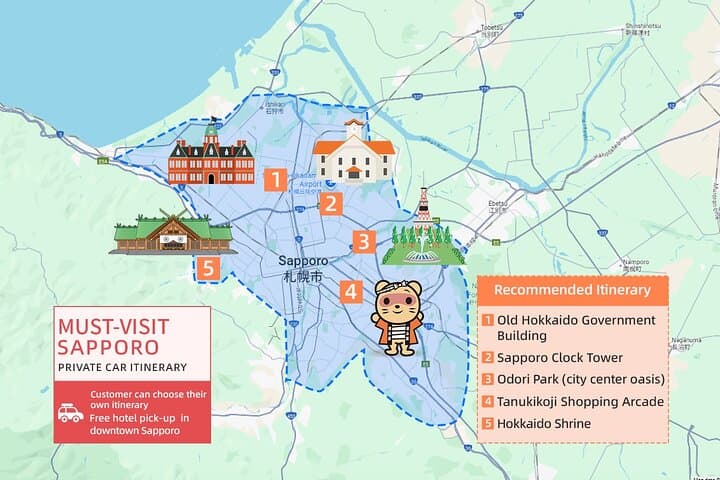
Book a private, flexible day in Sapporo to see Maruyama Park, Hokkaido Jingu, Nakajima Park, and Shiroi Koibito Park at peak bloom. This practical guide covers timing, what to expect, and how to make the most of a single spring day in Hokkaido’s capital.
Book a private, flexible day in Sapporo to see Maruyama Park, Hokkaido Jingu, Nakajima Park, and Shiroi Koibito Park at peak bloom. This practical guide covers timing, what to expect, and how to make the most of a single spring day in Hokkaido’s capital.
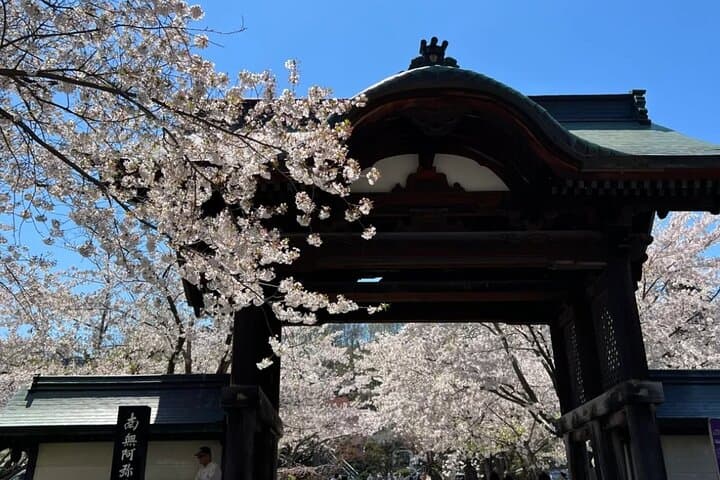
You step from an air-conditioned vehicle into a corridor of pale pink: petals drift like slow snow beneath a sky that still holds winter's cool edge. The driver adjusts the route to match the bloom forecast and your pace; today Maruyama Park takes the lead, where more than 1,500 Ezoyama cherry trees crowd the slopes and push a fragrant canopy over winding paths.
Verified experiences and guided adventures in the surrounding area.
Operated by Carzenplus · Sapporo, Hokkaido
You step from an air-conditioned vehicle into a corridor of pale pink: petals drift like slow snow beneath a sky that still holds winter's cool edge. The driver adjusts the route to match the bloom forecast and your pace; today Maruyama Park takes the lead, where more than 1,500 Ezoyama cherry trees crowd the slopes and push a fragrant canopy over winding paths.
Sapporo’s spring is brief and theatrical. The trees here are tied to Hokkaido’s Meiji-era development when settlers planted shelterbelts and ornamental groves to soften the city grid. Hokkaido Jingu Shrine offers a quieter, spiritual pause—Torii gates and wooden ema crowd its approach—while Nakajima Park returns the blossoms in mirrored rings on its lake. At Shiroi Koibito Park, confectionery lights and evening illuminations give sakura a curated, urban edge.
Geology matters less than seasonality: Sapporo’s lower elevation and northern latitude mean bloom arrives later than Honshu—late April to mid-May—so timing is everything. Locals favor weekday mornings and lakeside benches; photographers chase reflections at Nakajima and long exposures under park lights at Shiroi Koibito.
Practical guidance: plan a full-day private tour (about 10 hours) to visit three main sites comfortably; bring layers for variable spring weather, cash for shrine offerings and small sweets, and comfortable shoes for gravel paths and shrine steps. Check the sakura forecast the week before travel and book early—slots fill fast when the trees decide to bloom.
easy.
10 hours.
Light walking and short standing periods; suitable for most fitness levels though some steps and uneven ground are encountered.
Late April through mid‑May is the typical window; exact peak varies year to year—check local sakura forecasts a week before your tour.
Many main paths in Maruyama Park and Nakajima Park are accessible, but some shrine approaches and lakeside edges have steps or uneven surfaces—check with the operator for vehicle drop‑off options.
Shiroi Koibito Park has paid areas (factory tour and exhibits) and free outdoor spaces; the tour can include stopovers depending on your preference and time.
Yes—this private tour is flexible and the driver can reprioritize stops based on bloom status and your interests, weather permitting.
Many of Sapporo’s park plantings date to the Meiji and Taisho periods when Hokkaido expanded rapidly; Hokkaido Jingu was established in 1869 and remains a cultural focal point during sakura season.
Cherry trees are fragile—stay on paths, avoid stepping on root zones, and carry out all trash; many sites enforce no‑picking rules to protect blooms for everyone.
Carzenplus operates guided outdoor trips and adventures with an emphasis on safety, stewardship, and memorable experiences.

You step from an air-conditioned vehicle into a corridor of pale pink: petals drift like slow snow beneath a sky that still holds winter's cool edge. The driver adjusts the route to match the bloom forecast and your pace; today Maruyama Park takes the lead, where more than 1,500 Ezoyama cherry trees crowd the slopes and push a fragrant canopy over winding paths.
You step from an air-conditioned vehicle into a corridor of pale pink: petals drift like slow snow beneath a sky that still holds winter's cool edge. The driver adjusts the route to match the bloom forecast and your pace; today Maruyama Park takes the lead, where more than 1,500 Ezoyama cherry trees crowd the slopes and push a fragrant canopy over winding paths.
Sapporo’s spring is brief and theatrical. The trees here are tied to Hokkaido’s Meiji-era development when settlers planted shelterbelts and ornamental groves to soften the city grid. Hokkaido Jingu Shrine offers a quieter, spiritual pause—Torii gates and wooden ema crowd its approach—while Nakajima Park returns the blossoms in mirrored rings on its lake. At Shiroi Koibito Park, confectionery lights and evening illuminations give sakura a curated, urban edge.
Geology matters less than seasonality: Sapporo’s lower elevation and northern latitude mean bloom arrives later than Honshu—late April to mid-May—so timing is everything. Locals favor weekday mornings and lakeside benches; photographers chase reflections at Nakajima and long exposures under park lights at Shiroi Koibito.
Practical guidance: plan a full-day private tour (about 10 hours) to visit three main sites comfortably; bring layers for variable spring weather, cash for shrine offerings and small sweets, and comfortable shoes for gravel paths and shrine steps. Check the sakura forecast the week before travel and book early—slots fill fast when the trees decide to bloom.