THE ADVENTURE COLLECTIVE® · Independent discovery and booking for outdoor travel

Three hours of focused boxing and kickboxing training in Sapporo led by a professional coach. Expect pad work, heavy bag drills, jump rope and practical technique instruction in a supportive, non-sparring environment.
Three hours of focused boxing and kickboxing training in Sapporo led by a professional coach. Expect pad work, heavy bag drills, jump rope and practical technique instruction in a supportive, non-sparring environment.
You step off a Sapporo street into a compact, well-lit gym: the thud of gloves on bags, a trainer’s steady count, and the clean metallic tang of the ring’s ropes in the corner. For the next three hours you’ll trade city pace for focused motion — jump rope, pad work, heavy bag drills and guided footwork — all under one-on-one instruction from an experienced Japanese coach.
Verified experiences and guided adventures in the surrounding area.
Operated by Sapporosightseeing Ambasador Special Travel Package · Sapporo, Hokkaido
You step off a Sapporo street into a compact, well-lit gym: the thud of gloves on bags, a trainer’s steady count, and the clean metallic tang of the ring’s ropes in the corner. For the next three hours you’ll trade city pace for focused motion — jump rope, pad work, heavy bag drills and guided footwork — all under one-on-one instruction from an experienced Japanese coach.
Japan’s modern striking culture blends Western boxing technique with homegrown kickboxing traditions that emerged in the 1960s; in Hokkaido the cold months sharpen cardiovascular training and make indoor dojos a year-round training hub. Sapporo’s gym scene favors technical drills and conditioning over sparring in tourist sessions, so expect coached repetition and practical tips rather than full-contact bouts.
Culturally, respect and punctuality matter: bowing, listening closely to correction, and leaving the locker area tidy are standard. Geology and weather influence how locals train — Hokkaido’s long winters push athletes toward higher-intensity indoor sessions, while summer brings lighter conditioning work.
Practically, come hydrated and in comfortable athletic clothing; gloves are usually provided but bring hand wraps if you have them. The session includes towel-accessible showers and luxury private transport to/from your pickup point, so plan for a relaxed arrival and cool-down. Health screening is required; this program doesn’t include sparring and isn’t recommended for people with serious cardiac or spinal conditions or pregnancy.
In short: expect an efficient, high-energy lesson that builds technique, stamina, and confidence — a hands-on way to experience Japan’s combat-sports culture without stepping into competitive fighting.
moderate.
3 hours.
Suitable for people with basic cardio and mobility; beginners welcome but expect sustained bursts of activity.
No — the session is designed for all levels; coaches will scale drills to your experience and fitness.
No — this experience focuses on technique, pad work and conditioning; full-contact sparring is not part of the program.
Yes — the package includes private, air-conditioned pickup and drop-off in a high-end vehicle from your specified point.
Not recommended for pregnant travelers or those with serious heart or spinal conditions; a brief health screening is required before participation.
Modern Japanese kickboxing developed in the 1960s blending Muay Thai and Western striking; boxing has a long competitive history in Japan and is commonly taught in city gyms.
Respect gym facilities by minimizing single-use plastics and using provided towels; choosing public transit or shared pickups reduces local vehicle emissions.
Sapporosightseeing Ambasador Special Travel Package operates guided outdoor trips and adventures with an emphasis on safety, stewardship, and memorable experiences.
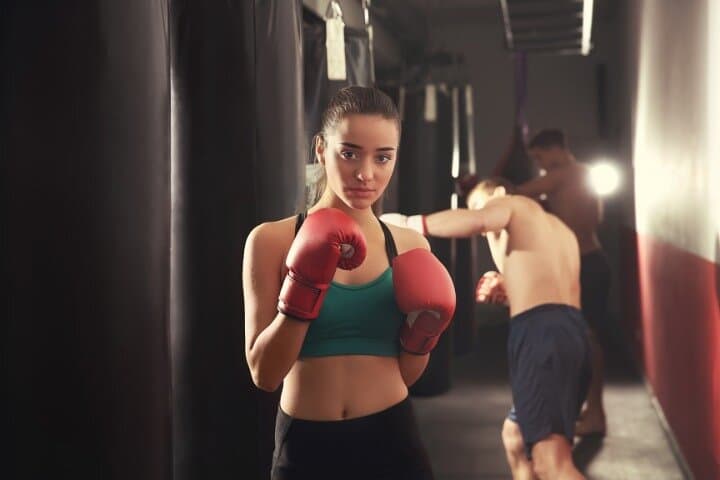
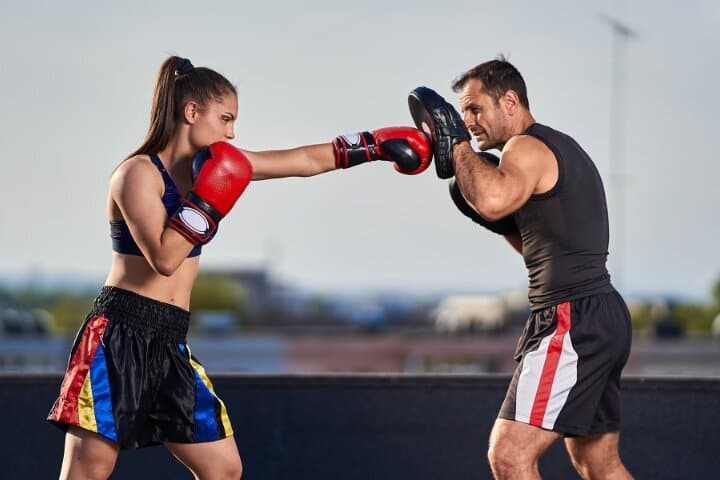
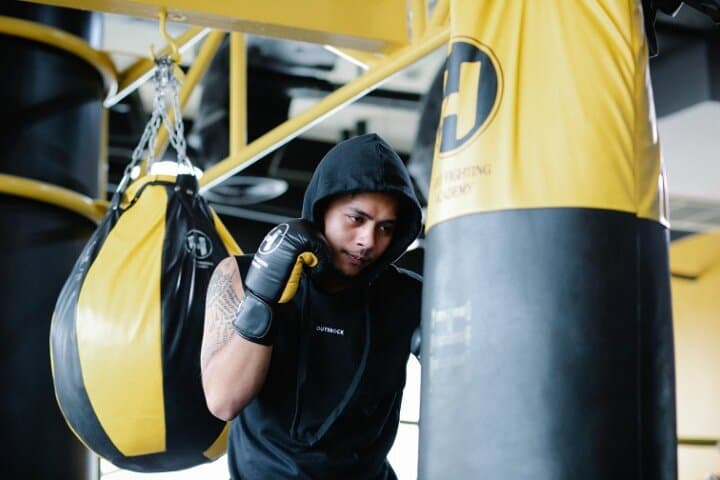
You step off a Sapporo street into a compact, well-lit gym: the thud of gloves on bags, a trainer’s steady count, and the clean metallic tang of the ring’s ropes in the corner. For the next three hours you’ll trade city pace for focused motion — jump rope, pad work, heavy bag drills and guided footwork — all under one-on-one instruction from an experienced Japanese coach.
You step off a Sapporo street into a compact, well-lit gym: the thud of gloves on bags, a trainer’s steady count, and the clean metallic tang of the ring’s ropes in the corner. For the next three hours you’ll trade city pace for focused motion — jump rope, pad work, heavy bag drills and guided footwork — all under one-on-one instruction from an experienced Japanese coach.
Japan’s modern striking culture blends Western boxing technique with homegrown kickboxing traditions that emerged in the 1960s; in Hokkaido the cold months sharpen cardiovascular training and make indoor dojos a year-round training hub. Sapporo’s gym scene favors technical drills and conditioning over sparring in tourist sessions, so expect coached repetition and practical tips rather than full-contact bouts.
Culturally, respect and punctuality matter: bowing, listening closely to correction, and leaving the locker area tidy are standard. Geology and weather influence how locals train — Hokkaido’s long winters push athletes toward higher-intensity indoor sessions, while summer brings lighter conditioning work.
Practically, come hydrated and in comfortable athletic clothing; gloves are usually provided but bring hand wraps if you have them. The session includes towel-accessible showers and luxury private transport to/from your pickup point, so plan for a relaxed arrival and cool-down. Health screening is required; this program doesn’t include sparring and isn’t recommended for people with serious cardiac or spinal conditions or pregnancy.
In short: expect an efficient, high-energy lesson that builds technique, stamina, and confidence — a hands-on way to experience Japan’s combat-sports culture without stepping into competitive fighting.