THE ADVENTURE COLLECTIVE® · Independent discovery and booking for outdoor travel

This two-day Sapa itinerary pairs mellow mountain trekking with immersive visits to Hmong and Red Dao villages, Cat Cat waterfall, and the Muong Hoa valley. Expect steep terraces, variable weather, and a comfortable 4-star stay in Sapa town.
This two-day Sapa itinerary pairs mellow mountain trekking with immersive visits to Hmong and Red Dao villages, Cat Cat waterfall, and the Muong Hoa valley. Expect steep terraces, variable weather, and a comfortable 4-star stay in Sapa town.
Dawn arrives over Sapa with a chill that clings to the terraces and the Muong Hoa stream daring you down the valley. On day one you step off the sleeping bus into a town at roughly 1,600 m elevation, then head toward Cat Cat—a short descent to a French-era hydroelectric site and a waterfall that still splashes with urgent energy.
Verified experiences and guided adventures in the surrounding area.
Operated by Under2 · Sapa, Lao Cai
Dawn arrives over Sapa with a chill that clings to the terraces and the Muong Hoa stream daring you down the valley. On day one you step off the sleeping bus into a town at roughly 1,600 m elevation, then head toward Cat Cat—a short descent to a French-era hydroelectric site and a waterfall that still splashes with urgent energy.
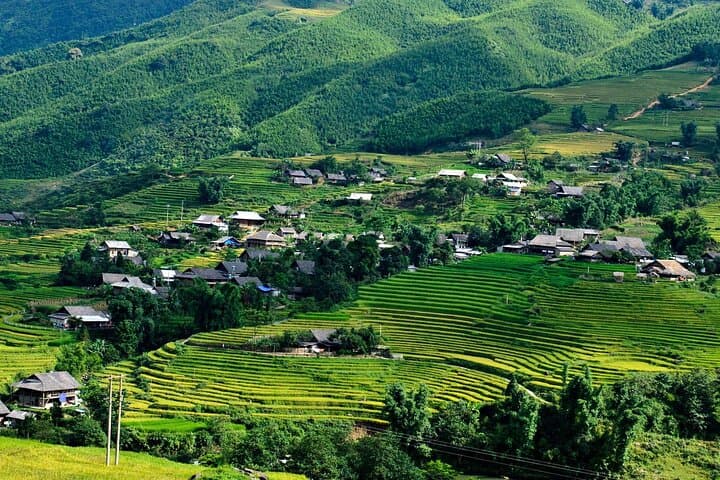
The Hoàng Liên Sơn range frames the route; these mountains are geologically young, uplifted by tectonic forces and carved by monsoon-fed streams. The region’s human story runs alongside that geology: centuries of Hmong, Red Dao and Tay stewardship have shaped the stepped rice paddies that function as both landscape and livelihood. You’ll pass ancient Muong Hoa rock carvings and villages whose timber houses and indigo fabrics reflect a living cultural heritage.
Expect 6–10 km day hikes over uneven, terraced terrain with intermittent stone steps and 200–400 m of cumulative elevation change depending on the route. Trails move from open ridge views to shaded streamside tracks, so weather shifts quickly—sun, drizzle and cool wind can come in the same afternoon. Accommodation is a comfortable 4-star hotel in Sapa town between walks, and local guides provide context on farming cycles, traditional dress and village customs.
Practical guidance: pack layered clothing, waterproof footwear, and small-denomination cash for village purchases. Start early to avoid afternoon storms, hydrate on the trail, and follow your guide’s pace—respect for local spaces makes the trek better for everyone.
moderate.
2 days.
Suitable for travelers who can handle several hours of walking over uneven terrain per day and short elevation changes; basic endurance required
Moderate fitness is sufficient—expect 6–10 km of walking on uneven terrain per day with some short climbs; you don’t need technical skills but should be comfortable on rough footing.
Sapa sits around 1,600 m; most travelers acclimate quickly, but hydrate, move at a steady pace, and inform guides if you feel unwell.
Vietnamese Dong (VND) is king in villages—bring small bills and change; cards work at some hotels and restaurants in Sapa town but are unreliable in remote hamlets.
A local guide enhances cultural context, navigation and safety; many paths are informal and guides help manage community interactions and logistics.
Cat Cat waterfall site includes a small hydroelectric works built during the French colonial period; the area has long been home to Hmong, Red Dao and Tay communities who shaped the terraces.
Tourism supports village incomes but increases pressure on trails and water; use local guides, avoid single-use plastics, and stay on established paths to reduce erosion and waste.
Under2 operates guided outdoor trips and adventures with an emphasis on safety, stewardship, and memorable experiences.



Dawn arrives over Sapa with a chill that clings to the terraces and the Muong Hoa stream daring you down the valley. On day one you step off the sleeping bus into a town at roughly 1,600 m elevation, then head toward Cat Cat—a short descent to a French-era hydroelectric site and a waterfall that still splashes with urgent energy.
Dawn arrives over Sapa with a chill that clings to the terraces and the Muong Hoa stream daring you down the valley. On day one you step off the sleeping bus into a town at roughly 1,600 m elevation, then head toward Cat Cat—a short descent to a French-era hydroelectric site and a waterfall that still splashes with urgent energy.
The Hoàng Liên Sơn range frames the route; these mountains are geologically young, uplifted by tectonic forces and carved by monsoon-fed streams. The region’s human story runs alongside that geology: centuries of Hmong, Red Dao and Tay stewardship have shaped the stepped rice paddies that function as both landscape and livelihood. You’ll pass ancient Muong Hoa rock carvings and villages whose timber houses and indigo fabrics reflect a living cultural heritage.
Expect 6–10 km day hikes over uneven, terraced terrain with intermittent stone steps and 200–400 m of cumulative elevation change depending on the route. Trails move from open ridge views to shaded streamside tracks, so weather shifts quickly—sun, drizzle and cool wind can come in the same afternoon. Accommodation is a comfortable 4-star hotel in Sapa town between walks, and local guides provide context on farming cycles, traditional dress and village customs.
Practical guidance: pack layered clothing, waterproof footwear, and small-denomination cash for village purchases. Start early to avoid afternoon storms, hydrate on the trail, and follow your guide’s pace—respect for local spaces makes the trek better for everyone.