THE ADVENTURE COLLECTIVE® · Independent discovery and booking for outdoor travel

Two days of valley treks, an overnight homestay in Ta Van, and a direct bus from Hanoi—this compact Sapa trip pairs accessible trails with close cultural encounters in Muong Hoa Valley.
Two days of valley treks, an overnight homestay in Ta Van, and a direct bus from Hanoi—this compact Sapa trip pairs accessible trails with close cultural encounters in Muong Hoa Valley.
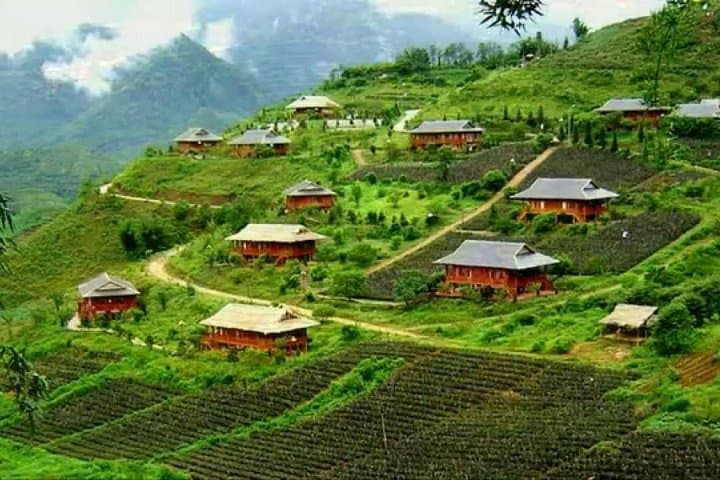
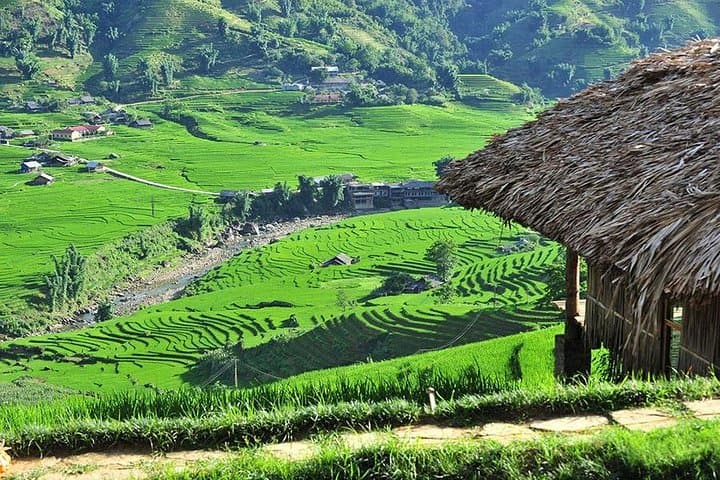
Dawn breaks on the high ridge above Muong Hoa Valley and the bus slides down from the clouds into Sapa’s town square. By midday you’re trading asphalt for a narrow trail that follows the Muong Hoa stream, rice terraces folding away like pages. The valley air is cool and often fog-kissed; farmers and children in H’Mong and Giay dress move through fields that demand attention.
Verified experiences and guided adventures in the surrounding area.
Operated by Vietnam Travel Top · Sapa, Lao Cai
Dawn breaks on the high ridge above Muong Hoa Valley and the bus slides down from the clouds into Sapa’s town square. By midday you’re trading asphalt for a narrow trail that follows the Muong Hoa stream, rice terraces folding away like pages. The valley air is cool and often fog-kissed; farmers and children in H’Mong and Giay dress move through fields that demand attention.
This short expedition traces paths used for generations, skirting terraces carved into Hoang Lien Son’s flanks. Geologically the range is young and steep, with sharp ridgelines and fast-draining soil that shapes the stepped paddies below. Culturally, villages such as Lao Chai and Ta Van are home to Black H’Mong, Red Dzao and Giay people whose handicrafts and seasonal dress are living markers of the region.
Expect two solid treks: about 9 km (approx. 3.5 hours) along Y Linh Ho to Ta Van on day one, and a shorter 4 km (approx. 2 hours) loop through bamboo and rice to Giang Ta Chai on day two. Trails are uneven: muddy after rain, stone steps in places, gentle ascents and descents rather than technical climbs. Altitude hovers around 1,400–1,600 m, so mornings can be foggy and cold.
Practical edge: carry layered clothing, waterproof shell, and cash in Vietnamese Dong — many village vendors don’t take cards. Bring sturdy trekking shoes and basic meds. Timings hinge on bus transfers to/from Hanoi, so confirm pickup times and allow flexibility for weather. A single overnight homestay gives a close look at mountain life without committing to extended backcountry logistics.
moderate.
2 days (approx. 48 hours).
Suitable for travelers with light to moderate fitness who can walk 3–4 hours on uneven terrain; not technical.
The routes are moderate: mostly well-trodden village trails with some ups and downs; expect about 3.5 hours (9 km) on day one and 2 hours (4 km) on day two.
The tour uses bungalow/stilt-house homestays typically accommodating 2–3 people per room; dorm-style arrangements are common—check options in advance.
Meals listed in the inclusion cover lunch, dinner and breakfast; bring a refillable water bottle—two bottled waters are provided on the bus but village taps are not always reliable.
Yes—operators allow finishing or joining the trip in Sapa; contact the provider to arrange different pickup/drop-off options.
The Muong Hoa Valley has been cultivated by upland ethnic groups for centuries; the terraced rice system reflects generations of communal land management tied to seasonal cycles.
Trail erosion and tourism pressure are local concerns—stick to established paths, avoid single-use plastics, and support homestays and local guides to keep economic benefits in the villages.
Vietnam Travel Top operates guided outdoor trips and adventures with an emphasis on safety, stewardship, and memorable experiences.


Dawn breaks on the high ridge above Muong Hoa Valley and the bus slides down from the clouds into Sapa’s town square. By midday you’re trading asphalt for a narrow trail that follows the Muong Hoa stream, rice terraces folding away like pages. The valley air is cool and often fog-kissed; farmers and children in H’Mong and Giay dress move through fields that demand attention.
Dawn breaks on the high ridge above Muong Hoa Valley and the bus slides down from the clouds into Sapa’s town square. By midday you’re trading asphalt for a narrow trail that follows the Muong Hoa stream, rice terraces folding away like pages. The valley air is cool and often fog-kissed; farmers and children in H’Mong and Giay dress move through fields that demand attention.
This short expedition traces paths used for generations, skirting terraces carved into Hoang Lien Son’s flanks. Geologically the range is young and steep, with sharp ridgelines and fast-draining soil that shapes the stepped paddies below. Culturally, villages such as Lao Chai and Ta Van are home to Black H’Mong, Red Dzao and Giay people whose handicrafts and seasonal dress are living markers of the region.
Expect two solid treks: about 9 km (approx. 3.5 hours) along Y Linh Ho to Ta Van on day one, and a shorter 4 km (approx. 2 hours) loop through bamboo and rice to Giang Ta Chai on day two. Trails are uneven: muddy after rain, stone steps in places, gentle ascents and descents rather than technical climbs. Altitude hovers around 1,400–1,600 m, so mornings can be foggy and cold.
Practical edge: carry layered clothing, waterproof shell, and cash in Vietnamese Dong — many village vendors don’t take cards. Bring sturdy trekking shoes and basic meds. Timings hinge on bus transfers to/from Hanoi, so confirm pickup times and allow flexibility for weather. A single overnight homestay gives a close look at mountain life without committing to extended backcountry logistics.