THE ADVENTURE COLLECTIVE® · Independent discovery and booking for outdoor travel

Spend two days trekking Sapa’s Muong Hoa valley with an ethnic guide, staying in a local homestay and walking through Y Linh Ho, Lao Chai and Ta Van. This moderate, culturally immersive trek pairs steep terrace walking with village life and simple accommodation.
Spend two days trekking Sapa’s Muong Hoa valley with an ethnic guide, staying in a local homestay and walking through Y Linh Ho, Lao Chai and Ta Van. This moderate, culturally immersive trek pairs steep terrace walking with village life and simple accommodation.
A damp morning light peels back from the Muong Hoa valley as you step off the bus into cool, thin air; terraces cascade away like stone shelves, and village smoke threads up between stilt houses. The first day walks you along carved rice benches and forested ridgelines led by a local ethnic guide whose steps are measured and sure.
Verified experiences and guided adventures in the surrounding area.
Operated by Asia Vacation Travel · Sapa, Lao Cai
A damp morning light peels back from the Muong Hoa valley as you step off the bus into cool, thin air; terraces cascade away like stone shelves, and village smoke threads up between stilt houses. The first day walks you along carved rice benches and forested ridgelines led by a local ethnic guide whose steps are measured and sure.
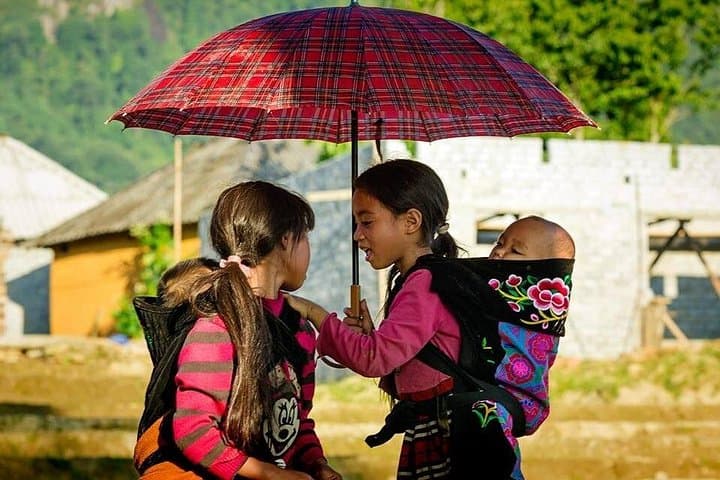
This route threads H'mong, Dzay and Red Dzao villages where textile patterns map family histories and French hill-station echoes remain in the town center. Geologically, these valleys are cut into granite and metamorphic slopes—steep, terraced slopes shaped over centuries of human labor and seasonal water management. Culturally, expect quiet mornings, communal meals in a family house, and simple dorm-style sleeping with hosts who share stories and home-cooked food.
Practically, the trek is moderate: expect 4–6 hours walking on day one through steep steps and muddy paths when wet, and a shorter half-day on day two to Giang Ta Chai. Nights are cool—layers are necessary—and the rainy season (June–August) can make trails slippery. Carry cash for small purchases and souvenirs; mobile reception is patchy in valleys. Respect local customs when photographing people and ask before entering homes.
This experience is best for travelers who want immersive cultural contact with guided support rather than remote, unsupported backcountry travel. Plan for simple accommodation, steady climbs, and expansive valley views, and you’ll leave with a clearer sense of mountain life and how rice, rain and village rhythms shape this landscape.
moderate.
2 days.
Moderate fitness required; able to hike 4–6 hours on uneven, sometimes steep terrain and carry a daypack
The trek is rated moderate: expect sustained walking on uneven, often steep paths for up to 4–6 hours on the first day and a shorter half-day on day two.
Accommodation is basic dorm-style in a local house—clean and communal with simple bedding; hosts provide home-cooked meals and a cultural exchange rather than hotel comforts.
Reception is patchy in valleys and villages; bring enough cash in small denominations because ATMs are only available in Sapa town or Lao Cai city.
Not recommended for travelers with spinal, cardiac conditions or pregnancy; a moderate fitness level is required and travelers should notify the operator of any medical concerns.
Sapa developed as a French colonial hill station in the early 20th century and today is home to multiple ethnic groups—Black H'mong, Dzay (Zay) and Red Dzao—whose agricultural practices created the terraced landscape.
Stay on trails, avoid single-use plastics and support homestays that practice sustainable grazing and water use; tourism income can help preserve rice terrace maintenance when managed responsibly.
Asia Vacation Travel operates guided outdoor trips and adventures with an emphasis on safety, stewardship, and memorable experiences.

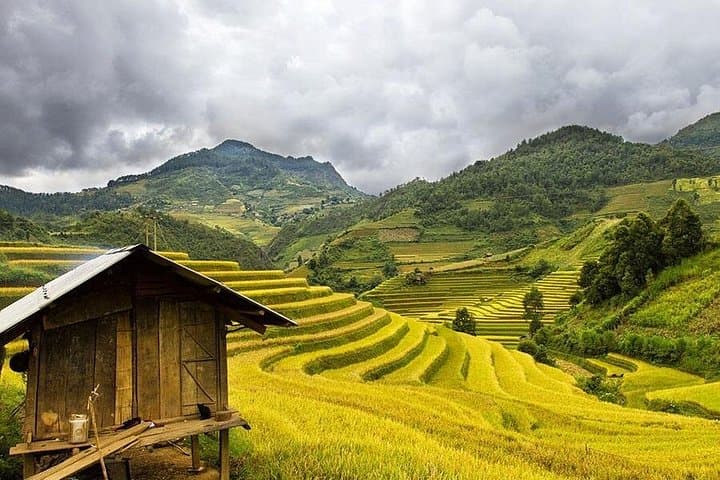
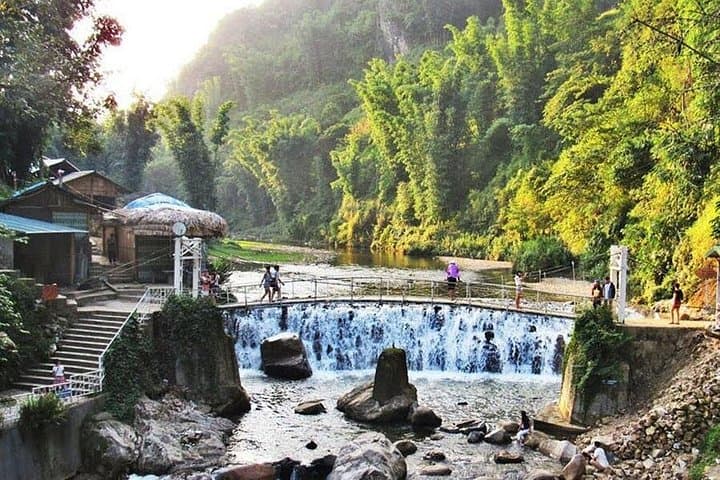
A damp morning light peels back from the Muong Hoa valley as you step off the bus into cool, thin air; terraces cascade away like stone shelves, and village smoke threads up between stilt houses. The first day walks you along carved rice benches and forested ridgelines led by a local ethnic guide whose steps are measured and sure.
A damp morning light peels back from the Muong Hoa valley as you step off the bus into cool, thin air; terraces cascade away like stone shelves, and village smoke threads up between stilt houses. The first day walks you along carved rice benches and forested ridgelines led by a local ethnic guide whose steps are measured and sure.
This route threads H'mong, Dzay and Red Dzao villages where textile patterns map family histories and French hill-station echoes remain in the town center. Geologically, these valleys are cut into granite and metamorphic slopes—steep, terraced slopes shaped over centuries of human labor and seasonal water management. Culturally, expect quiet mornings, communal meals in a family house, and simple dorm-style sleeping with hosts who share stories and home-cooked food.
Practically, the trek is moderate: expect 4–6 hours walking on day one through steep steps and muddy paths when wet, and a shorter half-day on day two to Giang Ta Chai. Nights are cool—layers are necessary—and the rainy season (June–August) can make trails slippery. Carry cash for small purchases and souvenirs; mobile reception is patchy in valleys. Respect local customs when photographing people and ask before entering homes.
This experience is best for travelers who want immersive cultural contact with guided support rather than remote, unsupported backcountry travel. Plan for simple accommodation, steady climbs, and expansive valley views, and you’ll leave with a clearer sense of mountain life and how rice, rain and village rhythms shape this landscape.