THE ADVENTURE COLLECTIVE® · Independent discovery and booking for outdoor travel

Two days of mountain trails and cultural exchange in Sapa: trek into Cat Cat Village to meet Black H’mong weavers, then ride the Fansipan cable car to summit views. Practical, scenic, and accessible for most travelers.
Two days of mountain trails and cultural exchange in Sapa: trek into Cat Cat Village to meet Black H’mong weavers, then ride the Fansipan cable car to summit views. Practical, scenic, and accessible for most travelers.
Fog thins over rice terraces as the limousine eases into Sapa’s cool air—breath visible, backpacks light, and a village path calling. On day one the group drops into Cat Cat Village, where narrow stone steps wind between carved wooden houses and the Black H’mong people still work looms and silver at shaded doorways.
Verified experiences and guided adventures in the surrounding area.
Operated by Vietnam Creative Travel · Sapa, Lao Cai
Fog thins over rice terraces as the limousine eases into Sapa’s cool air—breath visible, backpacks light, and a village path calling. On day one the group drops into Cat Cat Village, where narrow stone steps wind between carved wooden houses and the Black H’mong people still work looms and silver at shaded doorways.
The route slips past a small French-built hydroelectric station and a mossed waterfall; water dares you to step closer for photos. By evening the town hums with market stalls selling handwoven scarves and roasted street snacks—simple, direct exchanges rooted in valley life.
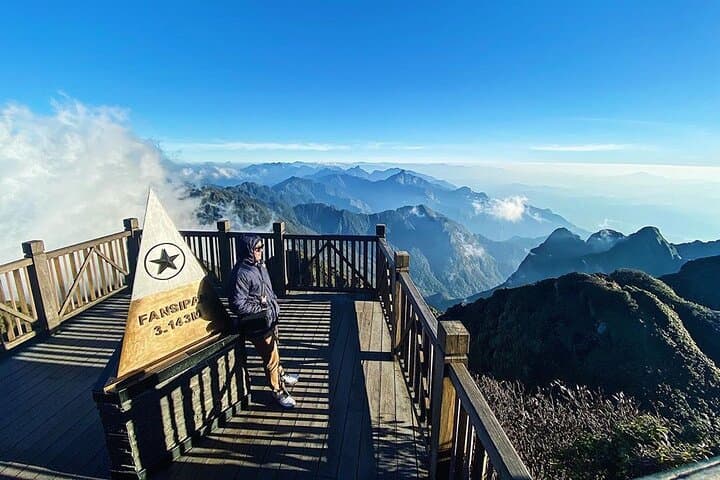
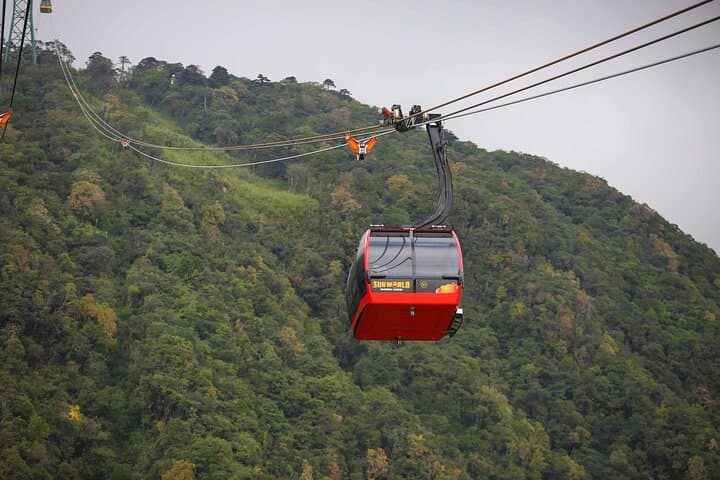
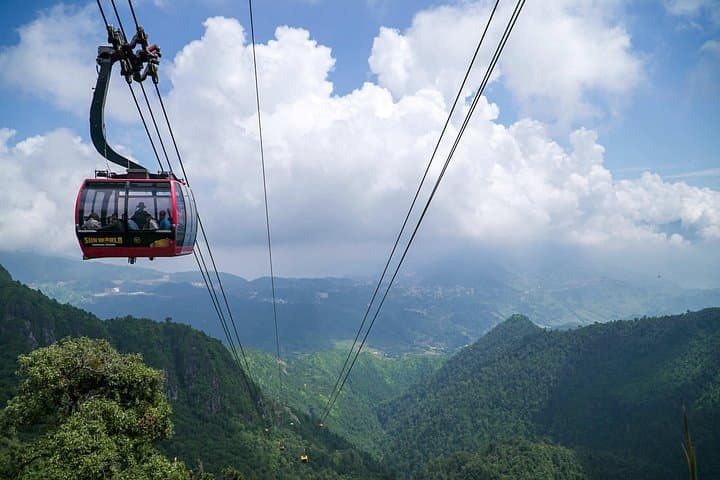
Day two raises the stakes: a crisp cable-car ascent to Fansipan’s summit platform (3,143 m). The ride peels back layers of cloud and opens a 360° panorama of jagged ranges and terraced slopes, a clear demonstration of the area’s geological uplift and tropical montane climate.
This two-day loop blends cultural immersion and high-country vistas without technical climbing—expect uneven village trails, stone steps, and the short altitude shock of Fansipan’s peak area. Guides provide local context on H’mong traditions and the French colonial projects that shaped early infrastructure.
Practical edge: move deliberately on wet steps, carry cash for small purchases, and schedule the cable-car window early in the day to avoid afternoon fog. Bring layered clothing for rapid temperature shifts, waterproof footwear for muddy trails, and a reusable bottle—water sources are available but limited.
The result is straightforward: two days that press you into Vietnam’s highland rhythms—people, paths, and peaks—delivered with comfort and clear logistics.
moderate.
2 days (approx. 10–12 hours active).
Suitable for travelers in good general health who can handle several hours of walking on uneven trails and short altitude exposure.
Yes—the tour itinerary includes round-trip Fansipan cable-car admission as described.
The Cat Cat visit involves moderate walking on uneven, stepped paths—comfortable for most travelers with steady footwear.
Yes—there’s free time in the evening of day one to visit the local market and sample street food.
Most visitors tolerate the short exposure well, but symptoms can occur; hydrate, rest, and inform your guide if you feel unwell.
The region combines long-settled ethnic minority cultures with French colonial-era infrastructure such as the early hydroelectric station near Cat Cat Village.
Visitor pressure is concentrated on footpaths and village waste systems; stick to trails, avoid single-use plastics, and support local artisans directly.
Vietnam Creative Travel operates guided outdoor trips and adventures with an emphasis on safety, stewardship, and memorable experiences.
Fog thins over rice terraces as the limousine eases into Sapa’s cool air—breath visible, backpacks light, and a village path calling. On day one the group drops into Cat Cat Village, where narrow stone steps wind between carved wooden houses and the Black H’mong people still work looms and silver at shaded doorways.
Fog thins over rice terraces as the limousine eases into Sapa’s cool air—breath visible, backpacks light, and a village path calling. On day one the group drops into Cat Cat Village, where narrow stone steps wind between carved wooden houses and the Black H’mong people still work looms and silver at shaded doorways.
The route slips past a small French-built hydroelectric station and a mossed waterfall; water dares you to step closer for photos. By evening the town hums with market stalls selling handwoven scarves and roasted street snacks—simple, direct exchanges rooted in valley life.
Day two raises the stakes: a crisp cable-car ascent to Fansipan’s summit platform (3,143 m). The ride peels back layers of cloud and opens a 360° panorama of jagged ranges and terraced slopes, a clear demonstration of the area’s geological uplift and tropical montane climate.
This two-day loop blends cultural immersion and high-country vistas without technical climbing—expect uneven village trails, stone steps, and the short altitude shock of Fansipan’s peak area. Guides provide local context on H’mong traditions and the French colonial projects that shaped early infrastructure.
Practical edge: move deliberately on wet steps, carry cash for small purchases, and schedule the cable-car window early in the day to avoid afternoon fog. Bring layered clothing for rapid temperature shifts, waterproof footwear for muddy trails, and a reusable bottle—water sources are available but limited.
The result is straightforward: two days that press you into Vietnam’s highland rhythms—people, paths, and peaks—delivered with comfort and clear logistics.