THE ADVENTURE COLLECTIVE® · Independent discovery and booking for outdoor travel

Walk off the beaten track through Y Linh Ho, Lao Chai and Ta Van on a two-day homestay trek that connects terrace rice fields, bamboo forest and Mountain tribal villages. Practical route notes and local insights help you prepare for muddy trails, a night in a Dao homestay, and close encounters with working farm life.
Walk off the beaten track through Y Linh Ho, Lao Chai and Ta Van on a two-day homestay trek that connects terrace rice fields, bamboo forest and Mountain tribal villages. Practical route notes and local insights help you prepare for muddy trails, a night in a Dao homestay, and close encounters with working farm life.
A damp morning breaks over terraced fields as the valley exhales mist; your guide tightens a pack strap and the trail—narrow, well-worn—pulls you toward the sound of running water. Rice paddies slope like carved steps, and each bend reveals a cluster of wooden houses where local children wave from bamboo fences.
Verified experiences and guided adventures in the surrounding area.
Operated by Compass Travel Vietnam · Sapa, Lao Cai
A damp morning breaks over terraced fields as the valley exhales mist; your guide tightens a pack strap and the trail—narrow, well-worn—pulls you toward the sound of running water. Rice paddies slope like carved steps, and each bend reveals a cluster of wooden houses where local children wave from bamboo fences.
Sa Pa sits on the Hoang Lien Range, formed by tectonic uplift and sculpted by monsoon rains into steep terraces that farmers have carved for centuries. The town itself was a French hill-station in the 1920s and remains a crossroads for Hmong, Dao and Tay communities whose textiles, rituals and homestead farms shape the valley’s human landscape.
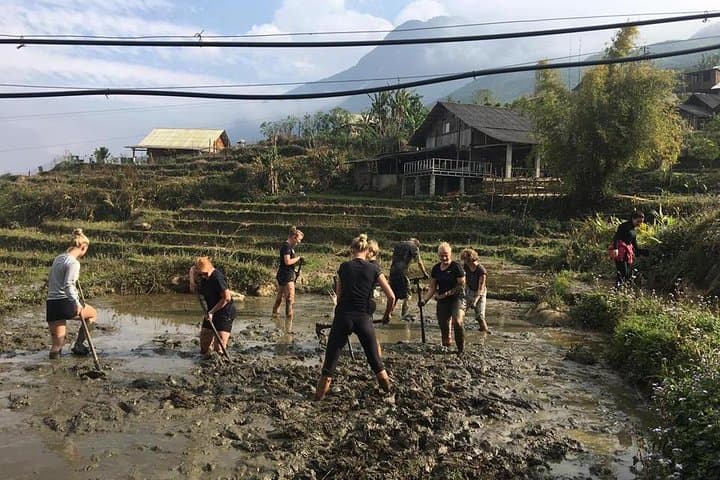
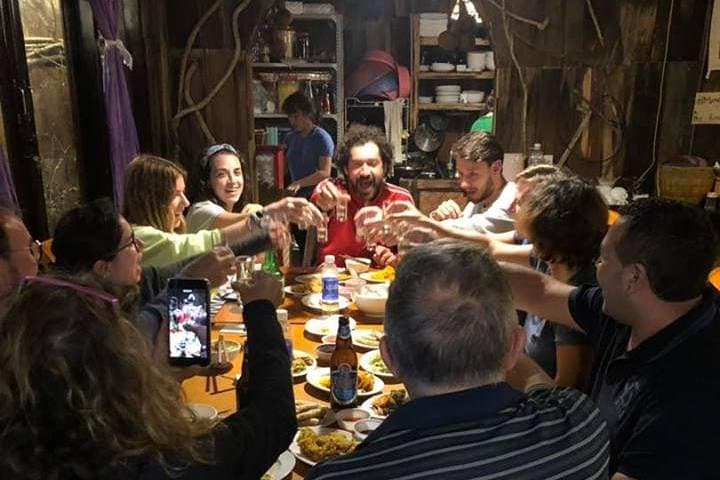
This two-day, one-night trek follows lesser-used village trails: Y Linh Ho’s Muong Hoa stream, the Lao Chai terraces and Ta Van’s bamboo groves, finishing with Giang Ta Chai’s red-Dao settlements. Expect muddy switchbacks after rain, wooden bridges, and a homestay night in a Dao family house where dinner is shared and stories traded.
Practical guidance: aim for steady 3–4 km/h on mixed trail, pack a lightweight rain shell and spare socks, and carry water and cash for small purchases. Start early to avoid afternoon showers and give yourself time for photography on the terraces. Be prepared to sleep on simple bedding; homestays support local economies but move at local rhythms. Stick to marked paths, respect local customs and the landscape—these choices keep the trails usable and the villages welcoming.
moderate.
2 days (approx. 48 hours).
Suitable for travelers in regular aerobic condition who can handle 3–4 hours of hiking per day with some elevation change.
Moderate: daily sections are 3–6 km on mixed terrain with some short climbs; no technical climbing is required.
Transport from Hanoi, meals as listed (B/L/D), a local guide, and one night at a Dao homestay are included; check the operator for specifics.
Yes—this route is suitable for travelers with basic fitness who can walk multiple hours and manage uneven ground.
Basic village restrooms and roadside stops exist; bring hand sanitizer and toilet paper as supplies can be limited.
Sa Pa grew as a French hill station in the early 20th century and is surrounded by long-inhabited Hmong and Dao communities whose terrace farming shaped the landscape.
Tourism pressures can erode trails and increase waste; stick to paths, avoid single-use plastics, and prioritize local homestays to support community stewardship.
Compass Travel Vietnam operates guided outdoor trips and adventures with an emphasis on safety, stewardship, and memorable experiences.
A damp morning breaks over terraced fields as the valley exhales mist; your guide tightens a pack strap and the trail—narrow, well-worn—pulls you toward the sound of running water. Rice paddies slope like carved steps, and each bend reveals a cluster of wooden houses where local children wave from bamboo fences.
A damp morning breaks over terraced fields as the valley exhales mist; your guide tightens a pack strap and the trail—narrow, well-worn—pulls you toward the sound of running water. Rice paddies slope like carved steps, and each bend reveals a cluster of wooden houses where local children wave from bamboo fences.
Sa Pa sits on the Hoang Lien Range, formed by tectonic uplift and sculpted by monsoon rains into steep terraces that farmers have carved for centuries. The town itself was a French hill-station in the 1920s and remains a crossroads for Hmong, Dao and Tay communities whose textiles, rituals and homestead farms shape the valley’s human landscape.
This two-day, one-night trek follows lesser-used village trails: Y Linh Ho’s Muong Hoa stream, the Lao Chai terraces and Ta Van’s bamboo groves, finishing with Giang Ta Chai’s red-Dao settlements. Expect muddy switchbacks after rain, wooden bridges, and a homestay night in a Dao family house where dinner is shared and stories traded.
Practical guidance: aim for steady 3–4 km/h on mixed trail, pack a lightweight rain shell and spare socks, and carry water and cash for small purchases. Start early to avoid afternoon showers and give yourself time for photography on the terraces. Be prepared to sleep on simple bedding; homestays support local economies but move at local rhythms. Stick to marked paths, respect local customs and the landscape—these choices keep the trails usable and the villages welcoming.