THE ADVENTURE COLLECTIVE® · Independent discovery and booking for outdoor travel

Ride an overnight sleeper from Hanoi, hike through Muong Hoa Valley and sleep in a Ta Van homestay. This two-day trek pairs rice-terrace panoramas and village culture with practical logistics from train pickup to return.
Ride an overnight sleeper from Hanoi, hike through Muong Hoa Valley and sleep in a Ta Van homestay. This two-day trek pairs rice-terrace panoramas and village culture with practical logistics from train pickup to return.
You step off the overnight sleeper into the damp predawn air of Lao Cai, the train platform humming with quiet vendors and travelers collecting themselves for the uphill drive to Sapa. Within an hour the valley opens: terraced rice carving the slopes, a ribbon river below, and Fansipan’s jagged mass sometimes revealed above the clouds. The first day’s trail winds from Y Linh Ho down into Muong Hoa Valley, across a suspension bridge and along stony footpaths to Lao Chai and Ta Van — villages where Lô, H’mong and Zay households live beside rice paddies and bamboo groves.
Verified experiences and guided adventures in the surrounding area.
Operated by Paradise Indochina Travel · Sapa, Lao Cai Province
You step off the overnight sleeper into the damp predawn air of Lao Cai, the train platform humming with quiet vendors and travelers collecting themselves for the uphill drive to Sapa. Within an hour the valley opens: terraced rice carving the slopes, a ribbon river below, and Fansipan’s jagged mass sometimes revealed above the clouds. The first day’s trail winds from Y Linh Ho down into Muong Hoa Valley, across a suspension bridge and along stony footpaths to Lao Chai and Ta Van — villages where Lô, H’mong and Zay households live beside rice paddies and bamboo groves.
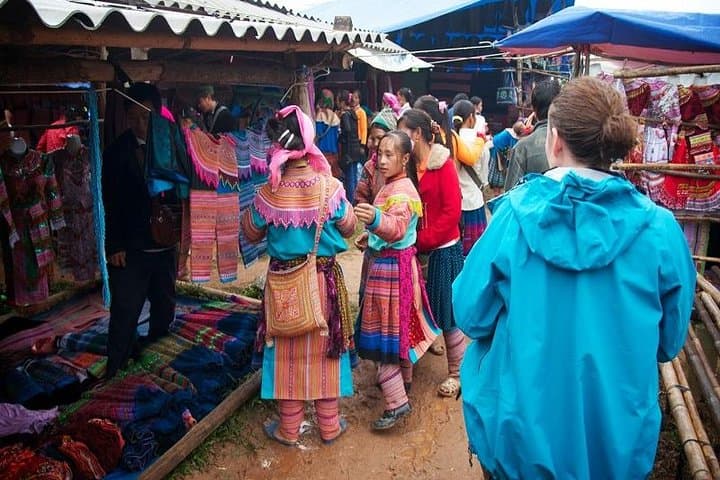
This region sits on the Hoang Lien Son range, formed by uplift and erosion that created steep ridgelines and fertile valleys. Sapa’s modern identity grew from a French hill-station era in the early 20th century and today is a cultural crossroads where traditional textiles and handicrafts are part of daily life. You’ll pass terraced fields planted by hand, meet families in embroidered dress, and see handicraft centers where skills are exchanged across generations.
Practically, expect dirt trails, river crossings by simple suspension bridges, and steady elevation changes around Sapa town (≈1,600–1,650 m). Hikes run roughly 6–10 km per day with intermittent steep pitches; breathable layers, grippy shoes, and rain protection are essential. Timing matters: mornings often bring clearer views, afternoons rain showers. The tour’s homestay gives direct cultural access—pack light, carry water and modest gifts, and respect household routines. Trains and village paths move at human pace; plan for slow, deliberate travel and the small, vivid rewards that come with it.
moderate.
2 days (approx. 6–8 hours hiking per day).
Suitable for people with regular cardiovascular fitness and comfortable on uneven trails and short steep sections
Trails involve steady ups and downs on dirt and stone paths; expect moderate exertion with 6–10 km per day and some short steep sections.
The package includes two lunches, two breakfasts, one dinner, and one night in a Ta Van homestay as described in the itinerary.
Yes — the operator rates it suitable for most fitness levels, but basic mobility on uneven ground is required and it’s not recommended for people with serious back problems.
Homestays are simple family-run houses: shared facilities, home-cooked meals, and an opportunity to experience local daily life; bring modest gifts and be prepared for basic comforts.
Sapa was developed as a French hill station in the early 1900s and later became a meeting point for multiple ethnic minority groups whose farming shaped the terraces.
Tourism supports local incomes but increases pressure on water and trail erosion; stick to paths, avoid single-use plastics, and buy crafts directly from makers where possible.
Paradise Indochina Travel operates guided outdoor trips and adventures with an emphasis on safety, stewardship, and memorable experiences.
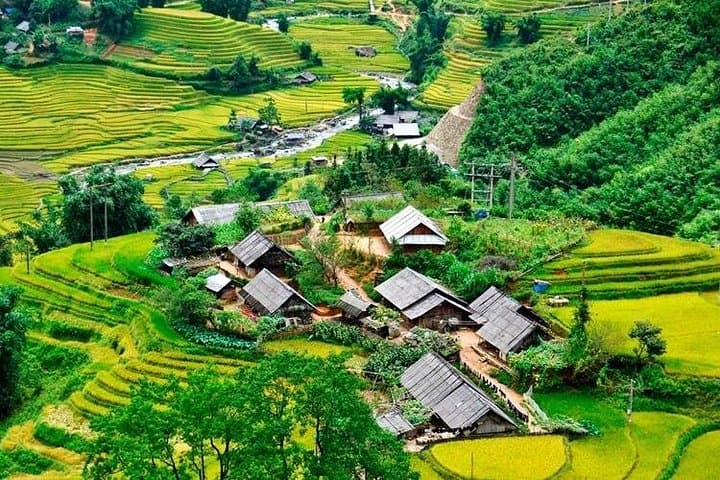
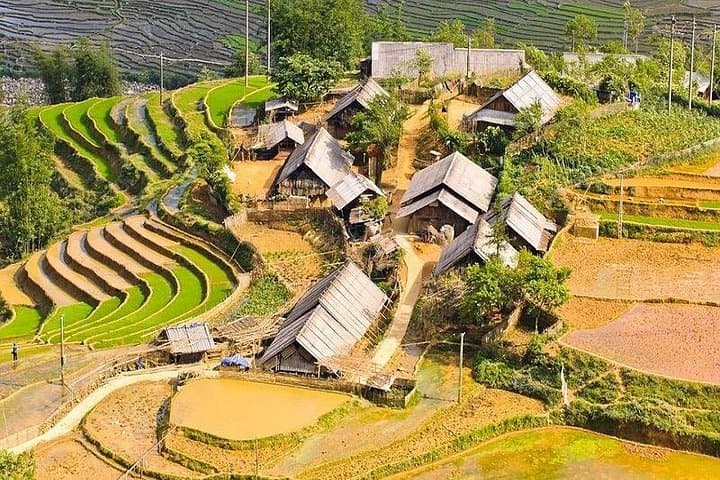
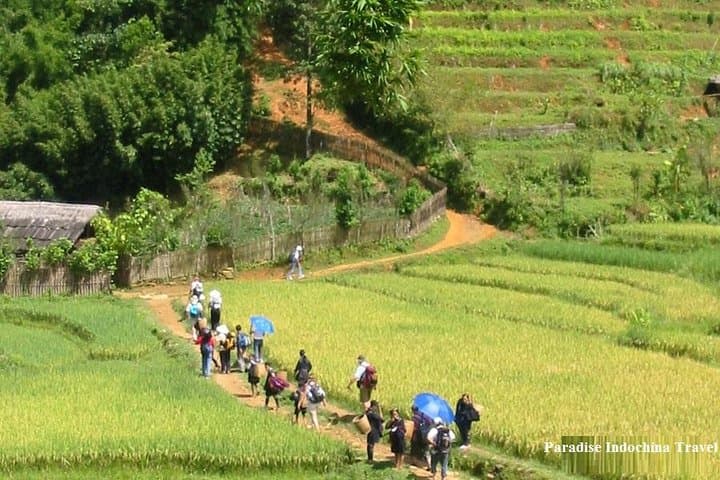
You step off the overnight sleeper into the damp predawn air of Lao Cai, the train platform humming with quiet vendors and travelers collecting themselves for the uphill drive to Sapa. Within an hour the valley opens: terraced rice carving the slopes, a ribbon river below, and Fansipan’s jagged mass sometimes revealed above the clouds. The first day’s trail winds from Y Linh Ho down into Muong Hoa Valley, across a suspension bridge and along stony footpaths to Lao Chai and Ta Van — villages where Lô, H’mong and Zay households live beside rice paddies and bamboo groves.
You step off the overnight sleeper into the damp predawn air of Lao Cai, the train platform humming with quiet vendors and travelers collecting themselves for the uphill drive to Sapa. Within an hour the valley opens: terraced rice carving the slopes, a ribbon river below, and Fansipan’s jagged mass sometimes revealed above the clouds. The first day’s trail winds from Y Linh Ho down into Muong Hoa Valley, across a suspension bridge and along stony footpaths to Lao Chai and Ta Van — villages where Lô, H’mong and Zay households live beside rice paddies and bamboo groves.
This region sits on the Hoang Lien Son range, formed by uplift and erosion that created steep ridgelines and fertile valleys. Sapa’s modern identity grew from a French hill-station era in the early 20th century and today is a cultural crossroads where traditional textiles and handicrafts are part of daily life. You’ll pass terraced fields planted by hand, meet families in embroidered dress, and see handicraft centers where skills are exchanged across generations.
Practically, expect dirt trails, river crossings by simple suspension bridges, and steady elevation changes around Sapa town (≈1,600–1,650 m). Hikes run roughly 6–10 km per day with intermittent steep pitches; breathable layers, grippy shoes, and rain protection are essential. Timing matters: mornings often bring clearer views, afternoons rain showers. The tour’s homestay gives direct cultural access—pack light, carry water and modest gifts, and respect household routines. Trains and village paths move at human pace; plan for slow, deliberate travel and the small, vivid rewards that come with it.