THE ADVENTURE COLLECTIVE® · Independent discovery and booking for outdoor travel

Ride the overnight train from Hanoi and wake to terraced fields, bamboo forests and hill‑tribe villages. This 2-day trek with a homestay in Ta Van balances accessible trails with immersive cultural encounters.
Ride the overnight train from Hanoi and wake to terraced fields, bamboo forests and hill‑tribe villages. This 2-day trek with a homestay in Ta Van balances accessible trails with immersive cultural encounters.
The carriage rocks gently as the countryside slips by—night lights of Hanoi fade and, by dawn, the green terraces and jagged ridgelines of the Hoang Lien Son step into view. You step off at Lao Cai, climb into a minivan that coils up to Sapa town, then descend into the Muong Hoa Valley where stone paths and bamboo-lined creek beds guide you through Hmong and Dzay hamlets.
Verified experiences and guided adventures in the surrounding area.
Operated by Local Tours ASIA · Sapa, Lao Cai
The carriage rocks gently as the countryside slips by—night lights of Hanoi fade and, by dawn, the green terraces and jagged ridgelines of the Hoang Lien Son step into view. You step off at Lao Cai, climb into a minivan that coils up to Sapa town, then descend into the Muong Hoa Valley where stone paths and bamboo-lined creek beds guide you through Hmong and Dzay hamlets.
Geology here is recent uplift: the Hoang Lien Son range is a steep spine of weathered shale and granite, carved into narrow terraces by centuries of rice cultivation. Culturally, the valley is defined by hill‑tribe communities—Black H’mong, Red Dao and Dzay—who maintain distinctive dress, woodcraft and hospitality; homestays in Ta Van offer a close, daily-life encounter rather than a formal hotel stay.
Expect two active hiking days: trails of 6–10 km over uneven switchbacks and stone steps, with cumulative elevation changes of 300–600 m on sections. Paths alternate between river flats, terraced fields and bamboo gullies; expect muddy sections after rain and a short rattan-bridge crossing by Giang Ta Chai waterfall.
Practical notes: the tour uses shared soft-sleeper train cabins (4-berth AC), so pack a compact sleep kit. Start hikes in the morning to avoid afternoon showers in summer; bring layered clothing for cool mountain nights. Carry local currency for small purchases and tip the homestay hosts. Hydrate on the trail, protect against sun and rain, and move steadily—this trip is as much about people and place as it is about peaks.
moderate.
3 days.
Moderate cardiovascular fitness and ability to manage repeated uphill/downhill walking with a daypack
Trekking days are moderate: expect 6–10 km on uneven, sometimes steep terrain with several hundred meters of ascent and descent—suitable for those with regular walking fitness.
Homestays are basic to comfortable, offering shared or private rooms, local meals, and a chance to join household activities; amenities vary by family and may include squat toilets or basic bathrooms.
Yes, but conditions vary: summer has heavy rains and lush terraces, autumn offers clearer skies and rice-harvest colors, winter can be cold and foggy—pack accordingly.
The soft-sleeper AC cabins are a common, generally comfortable option for this route; expect shared berths and basic bedding—secure your valuables and keep motion sickness remedies handy if needed.
Sapa and the Muong Hoa Valley were developed into hill stations during French colonial rule; local ethnic groups have long cultivated steep terraces that shape the landscape.
Tourism supports local incomes but brings waste and trail wear—use local guides, avoid single-use plastics, and leave homestays and fields as you found them.
Local Tours ASIA operates guided outdoor trips and adventures with an emphasis on safety, stewardship, and memorable experiences.



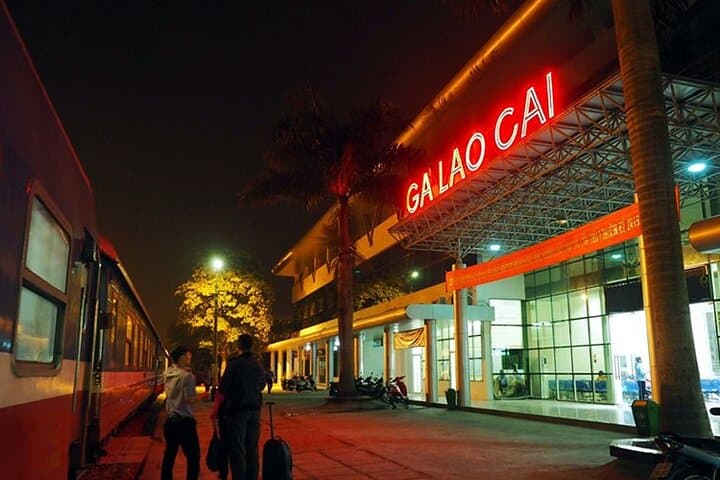
The carriage rocks gently as the countryside slips by—night lights of Hanoi fade and, by dawn, the green terraces and jagged ridgelines of the Hoang Lien Son step into view. You step off at Lao Cai, climb into a minivan that coils up to Sapa town, then descend into the Muong Hoa Valley where stone paths and bamboo-lined creek beds guide you through Hmong and Dzay hamlets.
The carriage rocks gently as the countryside slips by—night lights of Hanoi fade and, by dawn, the green terraces and jagged ridgelines of the Hoang Lien Son step into view. You step off at Lao Cai, climb into a minivan that coils up to Sapa town, then descend into the Muong Hoa Valley where stone paths and bamboo-lined creek beds guide you through Hmong and Dzay hamlets.
Geology here is recent uplift: the Hoang Lien Son range is a steep spine of weathered shale and granite, carved into narrow terraces by centuries of rice cultivation. Culturally, the valley is defined by hill‑tribe communities—Black H’mong, Red Dao and Dzay—who maintain distinctive dress, woodcraft and hospitality; homestays in Ta Van offer a close, daily-life encounter rather than a formal hotel stay.
Expect two active hiking days: trails of 6–10 km over uneven switchbacks and stone steps, with cumulative elevation changes of 300–600 m on sections. Paths alternate between river flats, terraced fields and bamboo gullies; expect muddy sections after rain and a short rattan-bridge crossing by Giang Ta Chai waterfall.
Practical notes: the tour uses shared soft-sleeper train cabins (4-berth AC), so pack a compact sleep kit. Start hikes in the morning to avoid afternoon showers in summer; bring layered clothing for cool mountain nights. Carry local currency for small purchases and tip the homestay hosts. Hydrate on the trail, protect against sun and rain, and move steadily—this trip is as much about people and place as it is about peaks.