THE ADVENTURE COLLECTIVE® · Independent discovery and booking for outdoor travel

Board an overnight train to Lao Cai, then walk into the Muong Hoa Valley for terraces, bamboo forests and a night in a Ta Van homestay. Combine trails with the vibrant Sunday Bac Ha market for a compact cultural-immersion trek.
Board an overnight train to Lao Cai, then walk into the Muong Hoa Valley for terraces, bamboo forests and a night in a Ta Van homestay. Combine trails with the vibrant Sunday Bac Ha market for a compact cultural-immersion trek.
Dawn in Lao Cai arrives damp and cool; steam from the early trains dissolves into the rice-terraced slopes while villagers tend fields that slope like stairs toward the valley. On this three-day circuit from Hanoi, travelers move by overnight train or sleeper bus into Sapa, then trade asphalt for mud tracks, bamboo groves and low stone bridges that map centuries of upland life.
Verified experiences and guided adventures in the surrounding area.
Operated by Go Asia Travel · Sapa, Lao Cai
Dawn in Lao Cai arrives damp and cool; steam from the early trains dissolves into the rice-terraced slopes while villagers tend fields that slope like stairs toward the valley. On this three-day circuit from Hanoi, travelers move by overnight train or sleeper bus into Sapa, then trade asphalt for mud tracks, bamboo groves and low stone bridges that map centuries of upland life.
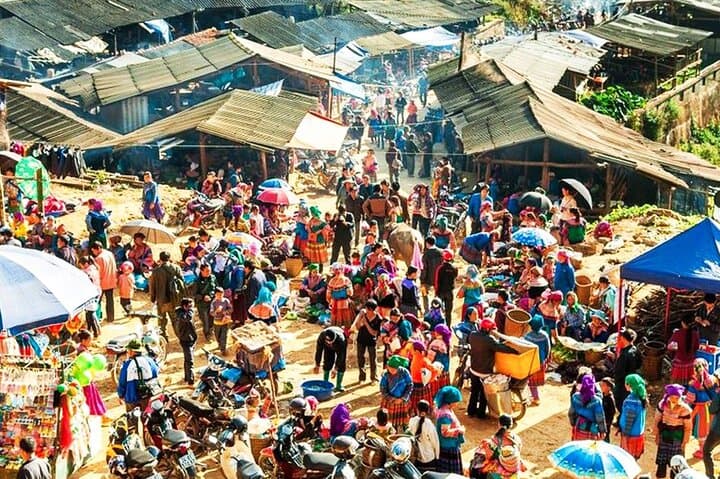
The route threads through Muong Hoa Valley—carved by glacial and fluvial forces—past French-era hydraulic works and villages of H'Mong, Zay and Red Dao communities. Bac Ha market, a Sunday-only event, still operates on an exchange economy where livestock and handmade textiles announce identities older than the modern road. Hoang A Tuong’s “castle” in Bac Ha recalls a local chieftain’s rule during the late 19th–early 20th centuries, a time when colonial and indigenous systems coexisted awkwardly.
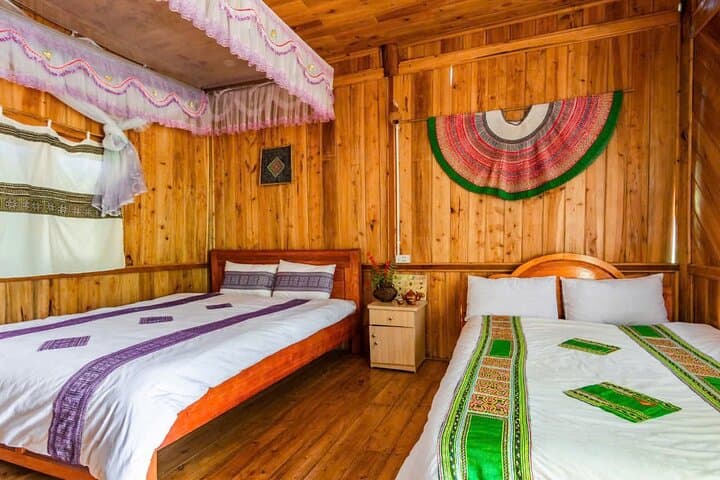
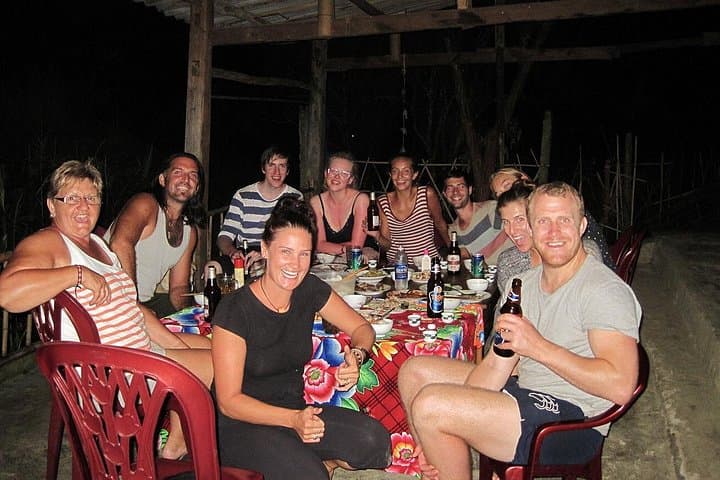
Expect 4–8 hours of walking on day sections: trails of compacted earth, occasional slick rice terraces and intermittent ascents of a few hundred meters. Treks are largely non-technical but involve uneven footing; boots with good grip and a steady fitness level make for a kinder day. Nights are in Ta Van homestays—shared rooms, simple meals, and direct access to village life.
Practical notes: book the Sunday market into your schedule, carry local currency for small purchases, and allow a buffer day for transport delays. Hydrate, layer for mist and sun, and bring small gifts for hosts—useful and respectful, and they often reward you with stories and home-cooked food.
moderate.
3 days.
Moderate fitness; comfortable with full days of hiking on uneven terrain and short ascents up to a few hundred meters.
Most travelers take an overnight train or sleeper bus from Hanoi to Lao Cai, then a short transfer (about 40 km) to Sapa—options are included depending on booking choice.
No—Bac Ha market is primarily a Sunday event; plan your itinerary so you arrive on Sunday morning to see the full market.
Homestays offer simple, clean accommodation—shared rooms or single mattresses and communal bathrooms—along with home-cooked meals and local hospitality.
A local English-speaking guide is included on this tour and enriches the experience with cultural context and trail navigation; guides also support safe interactions with villages.
Sapa was developed as a hill-station during French colonial rule in the early 20th century; Bac Ha retains an older market system reflecting ethnic trade networks.
Terraced agriculture and homestays support local livelihoods, but visitors should minimize waste, avoid disturbing terraces and use local guides to ensure low-impact interactions.
Go Asia Travel operates guided outdoor trips and adventures with an emphasis on safety, stewardship, and memorable experiences.
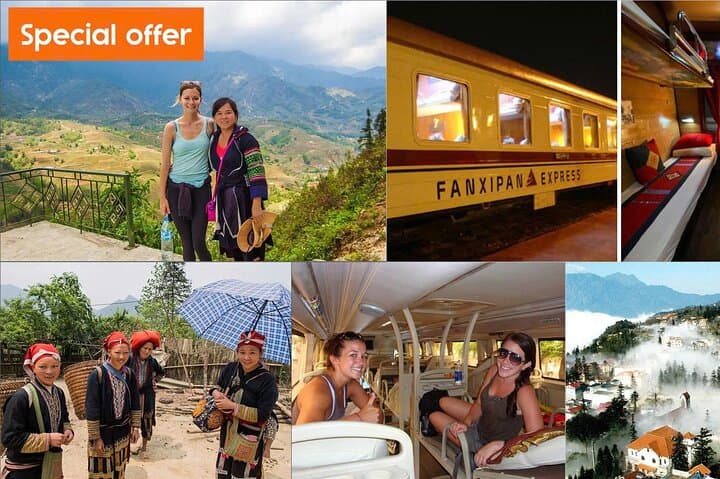
Dawn in Lao Cai arrives damp and cool; steam from the early trains dissolves into the rice-terraced slopes while villagers tend fields that slope like stairs toward the valley. On this three-day circuit from Hanoi, travelers move by overnight train or sleeper bus into Sapa, then trade asphalt for mud tracks, bamboo groves and low stone bridges that map centuries of upland life.
Dawn in Lao Cai arrives damp and cool; steam from the early trains dissolves into the rice-terraced slopes while villagers tend fields that slope like stairs toward the valley. On this three-day circuit from Hanoi, travelers move by overnight train or sleeper bus into Sapa, then trade asphalt for mud tracks, bamboo groves and low stone bridges that map centuries of upland life.
The route threads through Muong Hoa Valley—carved by glacial and fluvial forces—past French-era hydraulic works and villages of H'Mong, Zay and Red Dao communities. Bac Ha market, a Sunday-only event, still operates on an exchange economy where livestock and handmade textiles announce identities older than the modern road. Hoang A Tuong’s “castle” in Bac Ha recalls a local chieftain’s rule during the late 19th–early 20th centuries, a time when colonial and indigenous systems coexisted awkwardly.
Expect 4–8 hours of walking on day sections: trails of compacted earth, occasional slick rice terraces and intermittent ascents of a few hundred meters. Treks are largely non-technical but involve uneven footing; boots with good grip and a steady fitness level make for a kinder day. Nights are in Ta Van homestays—shared rooms, simple meals, and direct access to village life.
Practical notes: book the Sunday market into your schedule, carry local currency for small purchases, and allow a buffer day for transport delays. Hydrate, layer for mist and sun, and bring small gifts for hosts—useful and respectful, and they often reward you with stories and home-cooked food.