THE ADVENTURE COLLECTIVE® · Independent discovery and booking for outdoor travel

Walk from Sapa town to Cat Cat Village through rice terraces, visit a historic French-era hydroelectric station, and watch the Cat Cat waterfall. This private 3–4 hour tour blends H’Mong culture, local craft demonstrations, and manageable trail time—ideal for travelers with moderate fitness.
Walk from Sapa town to Cat Cat Village through rice terraces, visit a historic French-era hydroelectric station, and watch the Cat Cat waterfall. This private 3–4 hour tour blends H’Mong culture, local craft demonstrations, and manageable trail time—ideal for travelers with moderate fitness.
You step off the main street of Sapa and the air tightens with mountain cool; terraces slice the valley like steps to the sky and a narrow trail threads toward Cat Cat Village. The walk is compact—30–45 minutes downhill from Sapa’s church—so the landscape arrives quickly: terraced rice benches, stone walls, and the steady roar of a stream that seems to push you forward toward the falls.
Verified experiences and guided adventures in the surrounding area.
Operated by LOCAL TOURS VIETNAM · Sapa, Lao Cai
You step off the main street of Sapa and the air tightens with mountain cool; terraces slice the valley like steps to the sky and a narrow trail threads toward Cat Cat Village. The walk is compact—30–45 minutes downhill from Sapa’s church—so the landscape arrives quickly: terraced rice benches, stone walls, and the steady roar of a stream that seems to push you forward toward the falls.
Cat Cat sits on the Muong Hoa Valley rim and has been a Black H’Mong settlement for generations. The village’s hydroelectric station, built during the French colonial period, still punctuates the path, a reminder of the valley’s layered past. Geologically, the valley is carved by glacial action and river incision, producing steep terraces and exposed schist outcrops softened by moss and rice paddies.
Cultural life here is practical and visible: brocade workshops, hemp-weaving demonstrations, and family-run stalls selling scarves and bracelets. Local guides share stories of seasonal planting, folk songs and the significance of dress patterns. Expect the waterfall’s cadence to be a centerpiece—its water daring you to linger for photographs while musical shows sometimes rise from the lower pools.
Practical guidance: shoes with tread are essential—trail sections are uneven and can be slippery after rain. Bring cash for small purchases and a light rain layer; weather changes fast in the highlands. The tour includes entrance and a few local snacks but not lunch, and it’s rated moderate—some stair-like sections and uphill return. Start early for clearer views and to avoid crowds, and respect local customs when photographing people and homes.
moderate.
3–4 hours.
Good for travelers who can handle 30–45 minutes of downhill and an uphill return; moderate cardiovascular fitness recommended
Yes—the tour includes admission to Cat Cat Village as stated in the itinerary.
No—lunch is not provided; the tour includes 2–3 local snacks but you should plan to eat afterward or bring food.
The route is moderate: 30–45 minutes downhill to the village, about two hours in the village, then a 30–50 minute uphill return—expect uneven terrain and steps.
Yes—the tour starts from Sapa Church or your hotel; confirm pickup when booking and list your pickup point.
Cat Cat’s hydroelectric station and stone architecture date to the French colonial period; the village remains a living center for Black H’Mong textile traditions.
Visitors should stick to marked paths and avoid trampling terraces; buying local crafts supports household economies and incentivizes cultural preservation.
LOCAL TOURS VIETNAM operates guided outdoor trips and adventures with an emphasis on safety, stewardship, and memorable experiences.
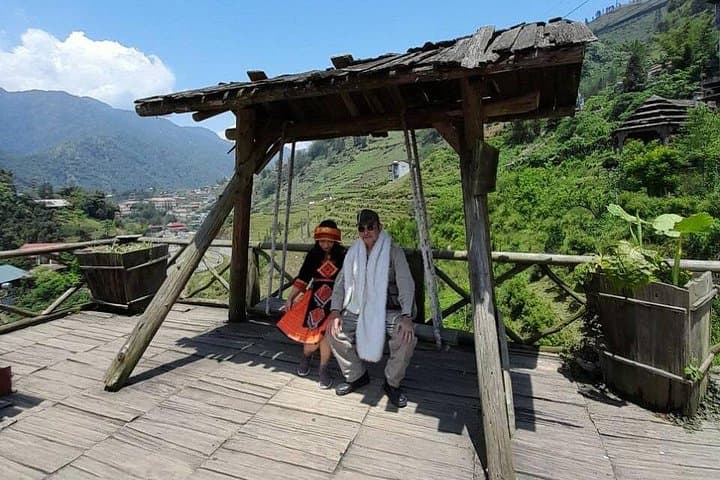
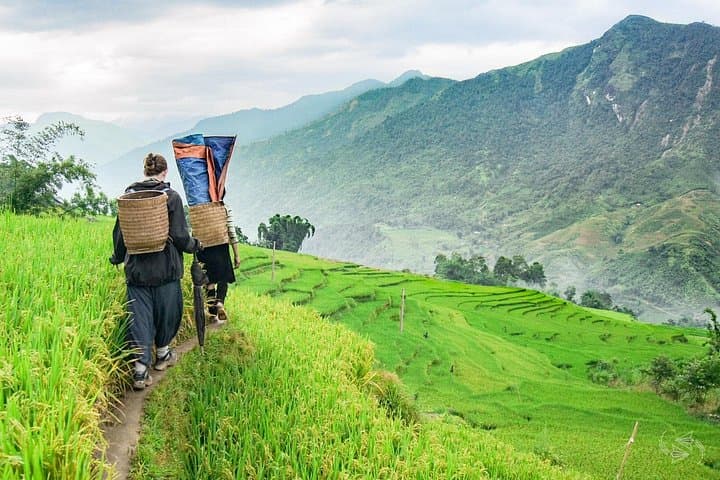
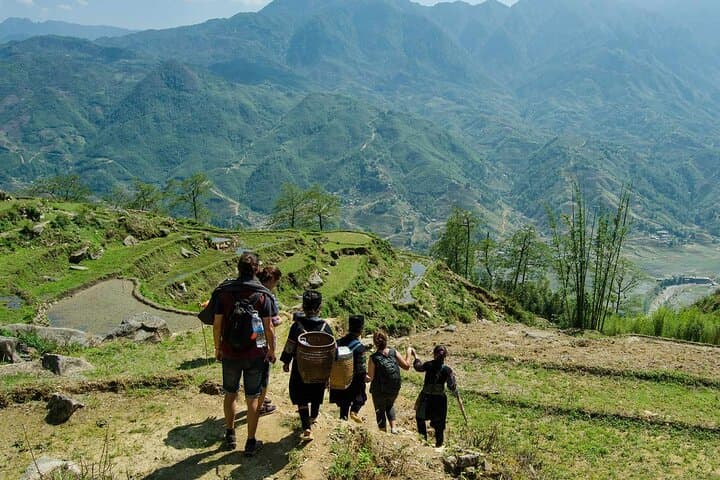
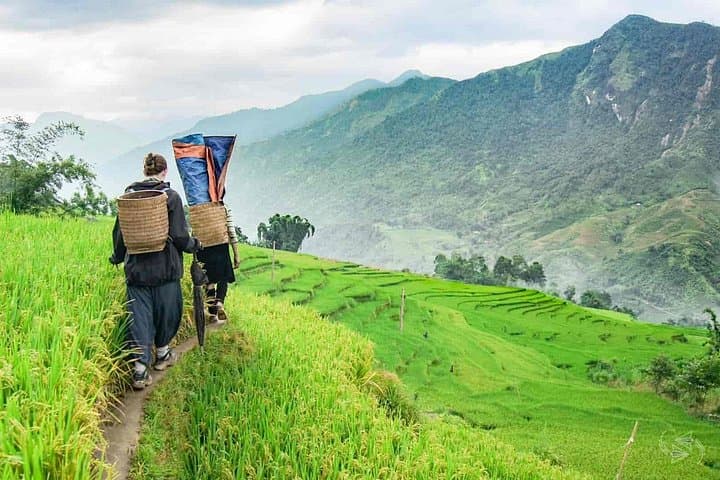
You step off the main street of Sapa and the air tightens with mountain cool; terraces slice the valley like steps to the sky and a narrow trail threads toward Cat Cat Village. The walk is compact—30–45 minutes downhill from Sapa’s church—so the landscape arrives quickly: terraced rice benches, stone walls, and the steady roar of a stream that seems to push you forward toward the falls.
You step off the main street of Sapa and the air tightens with mountain cool; terraces slice the valley like steps to the sky and a narrow trail threads toward Cat Cat Village. The walk is compact—30–45 minutes downhill from Sapa’s church—so the landscape arrives quickly: terraced rice benches, stone walls, and the steady roar of a stream that seems to push you forward toward the falls.
Cat Cat sits on the Muong Hoa Valley rim and has been a Black H’Mong settlement for generations. The village’s hydroelectric station, built during the French colonial period, still punctuates the path, a reminder of the valley’s layered past. Geologically, the valley is carved by glacial action and river incision, producing steep terraces and exposed schist outcrops softened by moss and rice paddies.
Cultural life here is practical and visible: brocade workshops, hemp-weaving demonstrations, and family-run stalls selling scarves and bracelets. Local guides share stories of seasonal planting, folk songs and the significance of dress patterns. Expect the waterfall’s cadence to be a centerpiece—its water daring you to linger for photographs while musical shows sometimes rise from the lower pools.
Practical guidance: shoes with tread are essential—trail sections are uneven and can be slippery after rain. Bring cash for small purchases and a light rain layer; weather changes fast in the highlands. The tour includes entrance and a few local snacks but not lunch, and it’s rated moderate—some stair-like sections and uphill return. Start early for clearer views and to avoid crowds, and respect local customs when photographing people and homes.