THE ADVENTURE COLLECTIVE® · Independent discovery and booking for outdoor travel

Four days of terraces, village trails and mountain panoramas: this 4D/3N Sapa trek pairs moderate daily walks with homestays among Hmong, Giay and Red Dao communities. Expect muddy paths after rain, cultural exchange, and sweeping views over Muong Hoa valley.
Four days of terraces, village trails and mountain panoramas: this 4D/3N Sapa trek pairs moderate daily walks with homestays among Hmong, Giay and Red Dao communities. Expect muddy paths after rain, cultural exchange, and sweeping views over Muong Hoa valley.
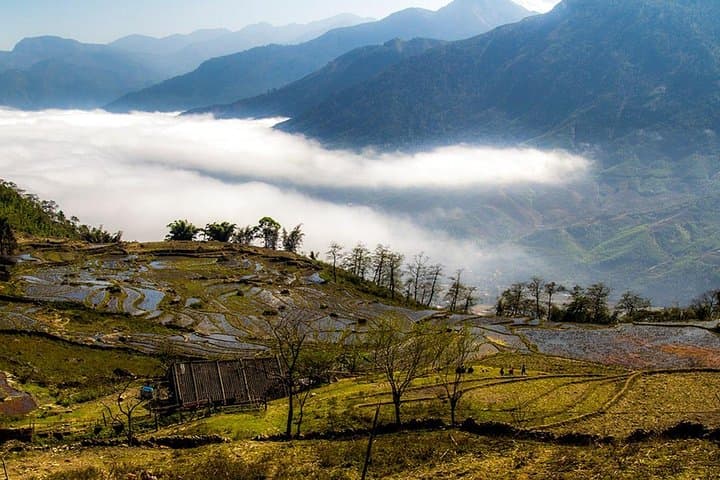
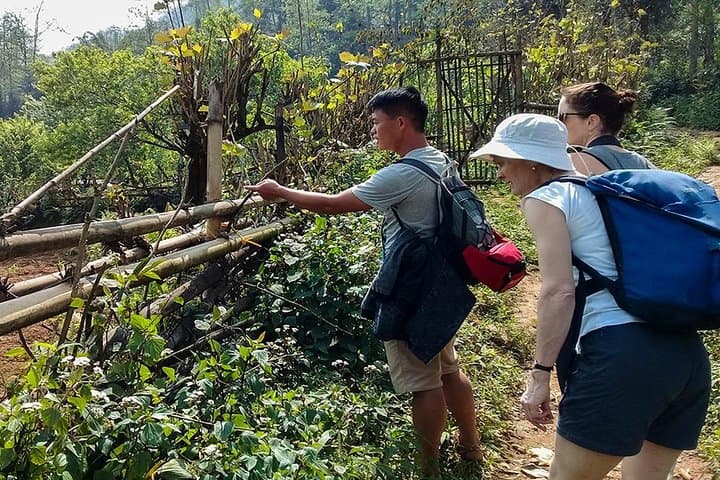
Early morning mist lifts from the stepped rice paddies as a guide from Trekkingtoursapa leads the group down a narrow footpath.
Verified experiences and guided adventures in the surrounding area.
Operated by Hmong Trip Adventure & Culture · Sapa, Lao Cai
Early morning mist lifts from the stepped rice paddies as a guide from Trekkingtoursapa leads the group down a narrow footpath.
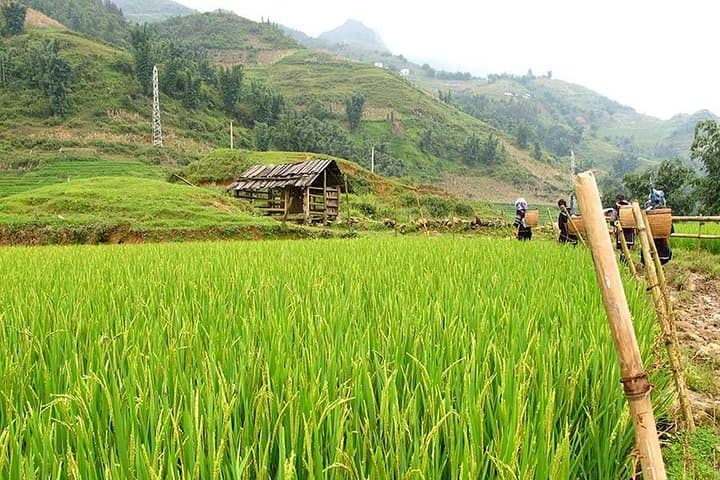
The valley breathes—water channels glint, terraces hold the earth like shelves, and the distant Hoang Lien Son ridgelines push the skyline into serrated blue. Over four days and three nights, walkers move between five villages inhabited by Hmong, Giay and Red Dao communities, trading the steady rhythm of a pack with stories of house building and unique marriage customs.
Sapa sits on a high plateau carved by tectonic uplift and intensified monsoon rains; the terraces are human geology, cut into slopes to hold water and soil. The area’s colonial-era roads and sacred groves speak to a layered history: French hill-station development, centuries of indigenous agriculture, and recent rising tourism focused on homestay exchanges.
Expect forest tracks, muddy switchbacks after rain, and flat terrace walks that open onto sweeping valley views. Daily stages are manageable—typically 6–12 km with several hundred meters total of ascent and descent across the tour—so preparation is straightforward but necessary.
Practical guidance: wear waterproof footwear, bring a warm midlayer for nights in homestays, and carry cash for small purchases and village fees. Hydrate frequently; the thin air at ~1,400–1,600 m can make effort feel heavier.
Respect local customs: ask before photographing, and remove shoes when entering some homes. The trip balances scenic mountain travel with cultural insight—an accessible multi-day trek for those with moderate fitness seeking immersive local experiences.
moderate.
4 days (approx. 96 hours).
Suitable for travelers with moderate fitness who can handle consecutive days of walking 6–12 km and several hundred meters of elevation change per day.
Moderate fitness is required: expect consecutive walking days of 6–12 km with several hundred meters of ascent/descent; good cardiovascular health and some prior day-hiking experience help.
Three nights in family-run homestays with basic but comfortable sleeping arrangements; bring a light sleeping liner and earplugs for shared rooms.
Yes—meals listed include breakfasts, lunches and dinners provided during the tour; traditional family meals often use local ingredients and can be adapted for dietary needs if notified in advance.
Village entry fees and local guides are included in the tour inclusions; bring small cash for incidental purchases and optional donations to community projects.
Sapa developed under French colonial administrators as a cool-season retreat; the terraces represent generations of mountain adaptation by Hmong, Giay and Red Dao communities.
Terraces are vulnerable to erosion—stay on paths, avoid stepping on fragile paddies, and support homestays and local guides to keep tourism benefits in the community.
Hmong Trip Adventure & Culture operates guided outdoor trips and adventures with an emphasis on safety, stewardship, and memorable experiences.
Early morning mist lifts from the stepped rice paddies as a guide from Trekkingtoursapa leads the group down a narrow footpath.
Early morning mist lifts from the stepped rice paddies as a guide from Trekkingtoursapa leads the group down a narrow footpath.
The valley breathes—water channels glint, terraces hold the earth like shelves, and the distant Hoang Lien Son ridgelines push the skyline into serrated blue. Over four days and three nights, walkers move between five villages inhabited by Hmong, Giay and Red Dao communities, trading the steady rhythm of a pack with stories of house building and unique marriage customs.
Sapa sits on a high plateau carved by tectonic uplift and intensified monsoon rains; the terraces are human geology, cut into slopes to hold water and soil. The area’s colonial-era roads and sacred groves speak to a layered history: French hill-station development, centuries of indigenous agriculture, and recent rising tourism focused on homestay exchanges.
Expect forest tracks, muddy switchbacks after rain, and flat terrace walks that open onto sweeping valley views. Daily stages are manageable—typically 6–12 km with several hundred meters total of ascent and descent across the tour—so preparation is straightforward but necessary.
Practical guidance: wear waterproof footwear, bring a warm midlayer for nights in homestays, and carry cash for small purchases and village fees. Hydrate frequently; the thin air at ~1,400–1,600 m can make effort feel heavier.
Respect local customs: ask before photographing, and remove shoes when entering some homes. The trip balances scenic mountain travel with cultural insight—an accessible multi-day trek for those with moderate fitness seeking immersive local experiences.