THE ADVENTURE COLLECTIVE® · Independent discovery and booking for outdoor travel

A private 2-day, 1-night trek from Sapa to Ta Van follows hanging bridges, bamboo forests and Vietnam’s famous rice terraces. Stay with a local family, learn cooking traditions, and walk quieter trails through Hmong, Giay and Red Dao communities.
A private 2-day, 1-night trek from Sapa to Ta Van follows hanging bridges, bamboo forests and Vietnam’s famous rice terraces. Stay with a local family, learn cooking traditions, and walk quieter trails through Hmong, Giay and Red Dao communities.
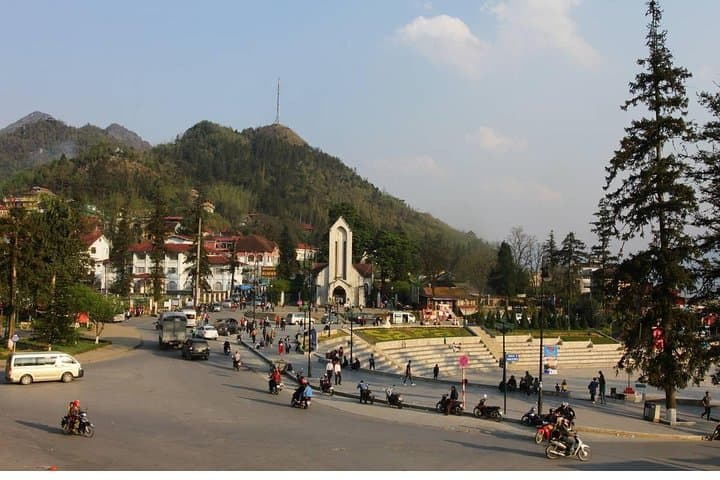
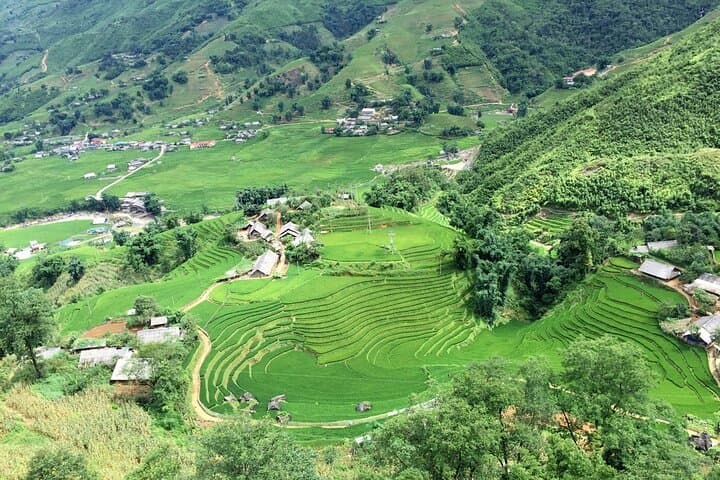
Dawn breaks over Muong Hoa valley and the terraces wake in bands of mist and carved green. You step off the main road in Sapa town, cross a swinging bridge, and the map becomes terraces, bamboo, and the slow shuffle of water buffalo. By late morning the trail climbs through bamboo forest and opens to sweeping rice benches that angle down the Hoang Lien Son flanks — a landscape shaped by centuries of irrigation and household labor.
Verified experiences and guided adventures in the surrounding area.
Operated by Authentic SAPA · Sapa, Lao Cai
Dawn breaks over Muong Hoa valley and the terraces wake in bands of mist and carved green. You step off the main road in Sapa town, cross a swinging bridge, and the map becomes terraces, bamboo, and the slow shuffle of water buffalo. By late morning the trail climbs through bamboo forest and opens to sweeping rice benches that angle down the Hoang Lien Son flanks — a landscape shaped by centuries of irrigation and household labor.
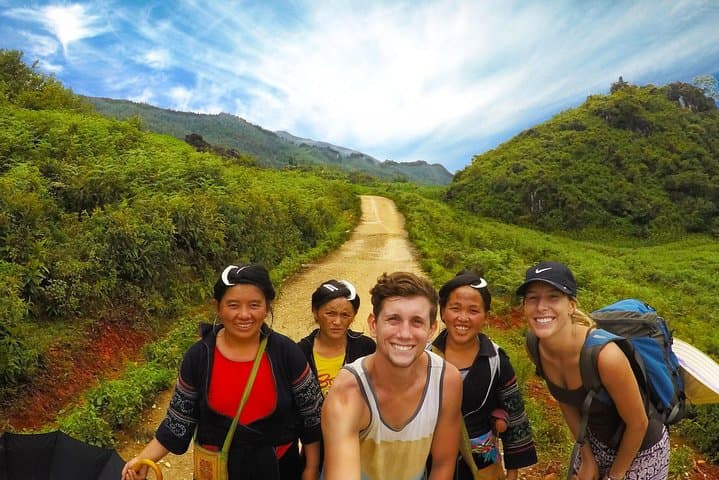
This two-day private trek follows traditional village paths used by Hmong, Giay and Red Dao communities. The region’s modern history includes French-era hill station development in the early 20th century, but the terraces and village life reflect older agricultural techniques adapted to steep slopes and monsoon cycles. Geologically the Hoang Lien Son massif lifts abruptly from the Red River plain, creating steep ridges, rapid streams and waterfall-fed valleys like Giang Ta Chai.
Expect practical comforts and rural rhythms: a homestay with local meals, a chance at a small cooking lesson, and simple rooms where power can be intermittent. Trails are uneven—rock, packed dirt and bamboo roots—and altitude reaches around 1,800 m on higher sections. Day one covers about 15 km (≈6–7 hours) between Sapa, Y Linh Ho, Lao Chai and Ta Van; day two is roughly 12 km (≈4–5 hours) returning via Giang Ta Chai waterfall.
Bring layered clothing, sturdy waterproof footwear, and cash for small village purchases. Move at the locals’ pace, stay on marked footpaths, and carry water and rain protection. The route rewards steady hikers with intimate cultural encounters, dramatic terrace views, and the quiet of mountain rain on bamboo.
moderate.
2 days (6–7 hours walking day 1; 4–5 hours day 2).
Suitable for hikers comfortable walking 4–7 hours on uneven mountain trails; basic stamina and balance required.
Trails are moderate: long distance with uneven footing, short steep climbs, and river crossings; a local guide accompanies you throughout.
The private tour includes guide, transport back to Sapa, one-night homestay, breakfast, two lunches and one dinner, and village entry fees.
Yes—hosts can prepare vegetarian or simple alternatives if requested in advance; bring specifics for strict allergies.
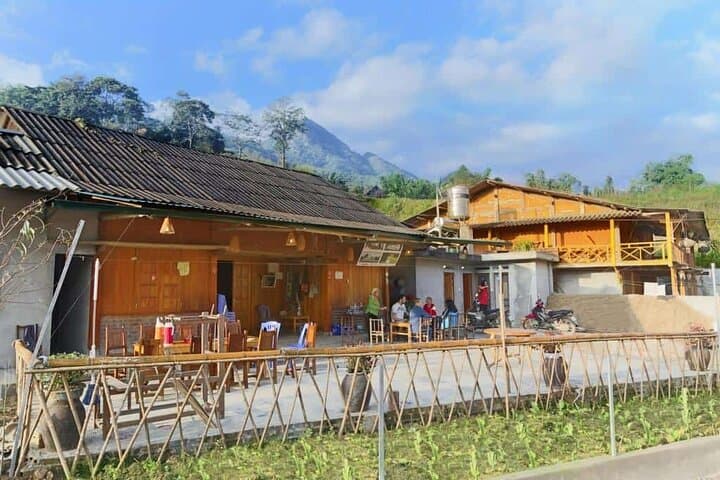
Homestays are mixed comfort with shared facilities; many solo travelers join private tours and stay in single rooms when available—confirm preferences at booking.
Sapa was developed as a French hill station in the 1920s; the terraces and village economies belong to centuries of upland rice cultivation by ethnic minorities.
Stick to established paths, avoid leaving waste in villages, and choose homestays that source food locally to support community-based tourism.
Authentic SAPA operates guided outdoor trips and adventures with an emphasis on safety, stewardship, and memorable experiences.
Dawn breaks over Muong Hoa valley and the terraces wake in bands of mist and carved green. You step off the main road in Sapa town, cross a swinging bridge, and the map becomes terraces, bamboo, and the slow shuffle of water buffalo. By late morning the trail climbs through bamboo forest and opens to sweeping rice benches that angle down the Hoang Lien Son flanks — a landscape shaped by centuries of irrigation and household labor.
Dawn breaks over Muong Hoa valley and the terraces wake in bands of mist and carved green. You step off the main road in Sapa town, cross a swinging bridge, and the map becomes terraces, bamboo, and the slow shuffle of water buffalo. By late morning the trail climbs through bamboo forest and opens to sweeping rice benches that angle down the Hoang Lien Son flanks — a landscape shaped by centuries of irrigation and household labor.
This two-day private trek follows traditional village paths used by Hmong, Giay and Red Dao communities. The region’s modern history includes French-era hill station development in the early 20th century, but the terraces and village life reflect older agricultural techniques adapted to steep slopes and monsoon cycles. Geologically the Hoang Lien Son massif lifts abruptly from the Red River plain, creating steep ridges, rapid streams and waterfall-fed valleys like Giang Ta Chai.
Expect practical comforts and rural rhythms: a homestay with local meals, a chance at a small cooking lesson, and simple rooms where power can be intermittent. Trails are uneven—rock, packed dirt and bamboo roots—and altitude reaches around 1,800 m on higher sections. Day one covers about 15 km (≈6–7 hours) between Sapa, Y Linh Ho, Lao Chai and Ta Van; day two is roughly 12 km (≈4–5 hours) returning via Giang Ta Chai waterfall.
Bring layered clothing, sturdy waterproof footwear, and cash for small village purchases. Move at the locals’ pace, stay on marked footpaths, and carry water and rain protection. The route rewards steady hikers with intimate cultural encounters, dramatic terrace views, and the quiet of mountain rain on bamboo.