THE ADVENTURE COLLECTIVE® · Independent discovery and booking for outdoor travel

A comfortable two-day private trek from Hanoi to Sapa combines luxury daytime transfer with guided village walks through terraced rice valleys and minority communities. Expect varied trails, quick-changing mountain weather and authentic cultural stops.
A comfortable two-day private trek from Hanoi to Sapa combines luxury daytime transfer with guided village walks through terraced rice valleys and minority communities. Expect varied trails, quick-changing mountain weather and authentic cultural stops.
The bus eases out of Hanoi at dawn and by late afternoon the high terraces of Sapa begin to lift through mist, rice benches stacking like carved steps into the hills. Travelers arrive into a town that still carries the slow cadence of mountain life—motorbikes threading narrow streets, sellers arranging herbs and hand-embroidered textiles, and distant watercourses daring you toward the valley.
Verified experiences and guided adventures in the surrounding area.
Operated by Charming Vietnam Travel · Sapa, Lao Cai
The bus eases out of Hanoi at dawn and by late afternoon the high terraces of Sapa begin to lift through mist, rice benches stacking like carved steps into the hills. Travelers arrive into a town that still carries the slow cadence of mountain life—motorbikes threading narrow streets, sellers arranging herbs and hand-embroidered textiles, and distant watercourses daring you toward the valley.
Sapa sits in Lao Cai Province at the southern edge of the Hoang Lien Range, shaped by glacial carving and constant human cultivation. French colonial villas recall the town’s hill-station past, while Hmong, Red Dao and Tay communities maintain distinctive dress, cuisine and terraced farming that has defined the landscape for generations.
On a two-day private trek with daytime limousine transfer from Hanoi, expect one full day of guided walking through village trails—stone steps, muddy switchbacks and broad panoramic ridgelines—plus a gentler day of village visits and river-side paths. The route typically covers Lao Chai to Ta Van or similar valleys; elevation ranges are moderate but weather changes quickly, from sun to fog to cold wind.
Practical notes: pack layered clothing, sturdy hiking shoes and a rain shell; bring cash for small purchases in villages. Start early to avoid afternoon clouds and give extra time for photography and cultural stops. Guides handle logistics and hotel transfers, but be prepared for uneven terrain and occasional steep pitches. With dependable transport back to Hanoi, this itinerary pairs accessible trekking with cultural immersion—an efficient, comfortable way to meet Sapa’s mountains and communities.
moderate.
2 days.
Moderate fitness for sustained walking over uneven terrain; regular walkers or hikers will find the route manageable.
Daytime limousine transfer typically takes about 5–6 hours one-way depending on traffic and road conditions, with stops en route.
No technical experience is required, but participants should be comfortable walking 4–6 hours over uneven terrain and stairs.
Vietnamese đồng is preferred for village purchases; major hotels and some shops accept USD or cards, but cash is common in rural areas.
Not recommended for infants or travelers with serious cardiovascular or spinal conditions; inform the operator of any health issues during booking.
Sapa grew as a French colonial hill station in the early 20th century and has long been home to Hmong, Red Dao and Tay ethnic communities whose terraced farming shaped the hills.
Trail erosion and waste are local concerns—stay on marked paths, avoid single-use plastics, and support local homestays or guides to direct benefits to communities.
Charming Vietnam Travel operates guided outdoor trips and adventures with an emphasis on safety, stewardship, and memorable experiences.

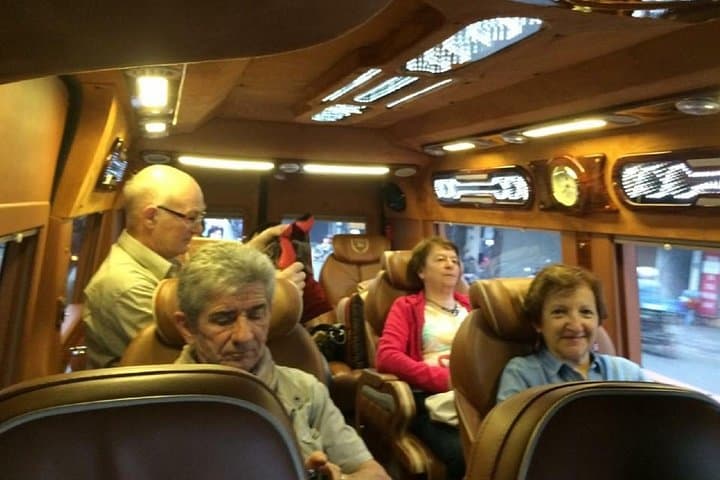
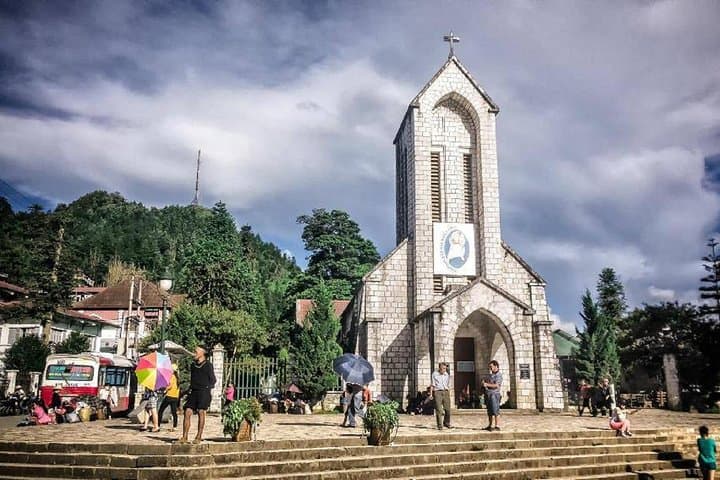
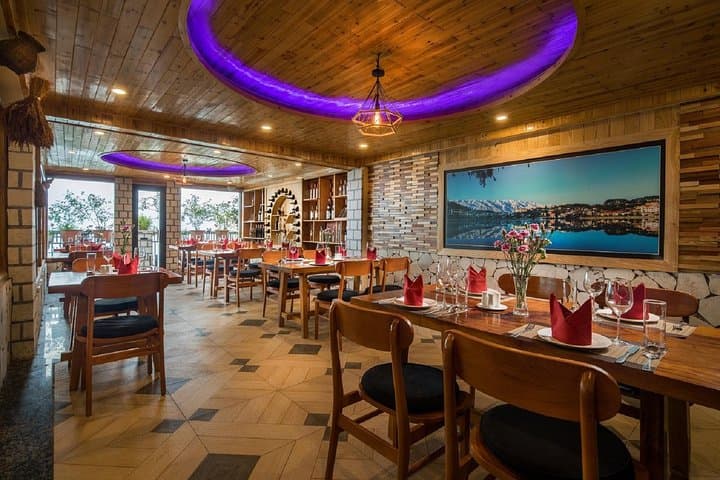
The bus eases out of Hanoi at dawn and by late afternoon the high terraces of Sapa begin to lift through mist, rice benches stacking like carved steps into the hills. Travelers arrive into a town that still carries the slow cadence of mountain life—motorbikes threading narrow streets, sellers arranging herbs and hand-embroidered textiles, and distant watercourses daring you toward the valley.
The bus eases out of Hanoi at dawn and by late afternoon the high terraces of Sapa begin to lift through mist, rice benches stacking like carved steps into the hills. Travelers arrive into a town that still carries the slow cadence of mountain life—motorbikes threading narrow streets, sellers arranging herbs and hand-embroidered textiles, and distant watercourses daring you toward the valley.
Sapa sits in Lao Cai Province at the southern edge of the Hoang Lien Range, shaped by glacial carving and constant human cultivation. French colonial villas recall the town’s hill-station past, while Hmong, Red Dao and Tay communities maintain distinctive dress, cuisine and terraced farming that has defined the landscape for generations.
On a two-day private trek with daytime limousine transfer from Hanoi, expect one full day of guided walking through village trails—stone steps, muddy switchbacks and broad panoramic ridgelines—plus a gentler day of village visits and river-side paths. The route typically covers Lao Chai to Ta Van or similar valleys; elevation ranges are moderate but weather changes quickly, from sun to fog to cold wind.
Practical notes: pack layered clothing, sturdy hiking shoes and a rain shell; bring cash for small purchases in villages. Start early to avoid afternoon clouds and give extra time for photography and cultural stops. Guides handle logistics and hotel transfers, but be prepared for uneven terrain and occasional steep pitches. With dependable transport back to Hanoi, this itinerary pairs accessible trekking with cultural immersion—an efficient, comfortable way to meet Sapa’s mountains and communities.