
Sapa Private Hmong Trek: Day Tours to Rice Terraces & Village Life
Trek Sapa with a local Hmong guide through rice terraces, bamboo forests and minority villages on a private day tour. Expect immersive cultural encounters, authentic home-cooked food, and varied mountain terrain over a 5–8 hour route.
An Adventure In Sapa.
Trek Sapa with a local Hmong guide through rice terraces, bamboo forests and minority villages on a private day tour. Expect immersive cultural encounters, authentic home-cooked food, and varied mountain terrain over a 5–8 hour route.
Read the full experience
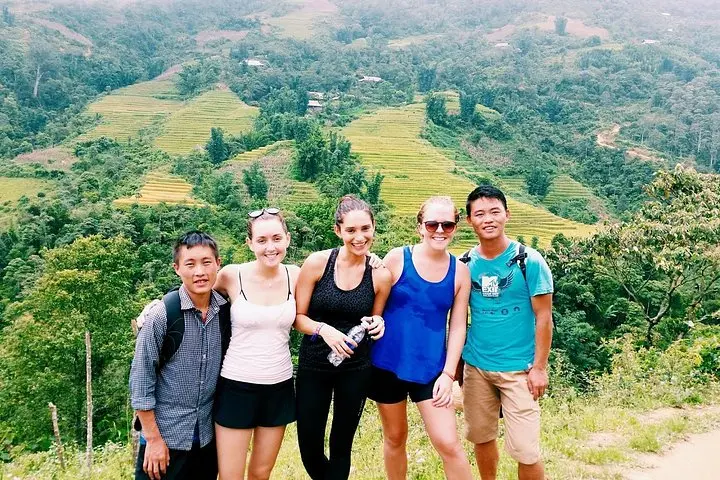
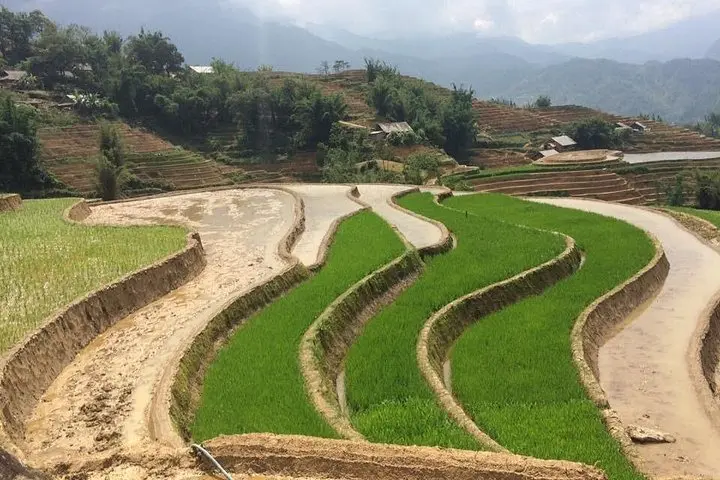
A pre-dawn mist lifts off the rice terraces and the slope exhales—cold, green air that moves like a living map. Walking with a Hmong guide in Sapa means following narrow footpaths carved by generations: terraces step down toward valleys, bamboo cracks underfoot, and distant ridgelines of the Hoang Lien Son range frame the sky.
A pre-dawn mist lifts off the rice terraces and the slope exhales—cold, green air that moves like a living map. Walking with a Hmong guide in Sapa means following narrow footpaths carved by generations: terraces step down toward valleys, bamboo cracks underfoot, and distant ridgelines of the Hoang Lien Son range frame the sky.
The landscape here is shaped by steep tectonic uplift and intensive mountain agriculture. Sapa developed as a French hill station in the early 20th century, but the long-term story belongs to the region’s ethnic minority communities—Hmong, Dao and others—whose weaving, terraced rice farming and seasonal migrations create the patterns visitors see.
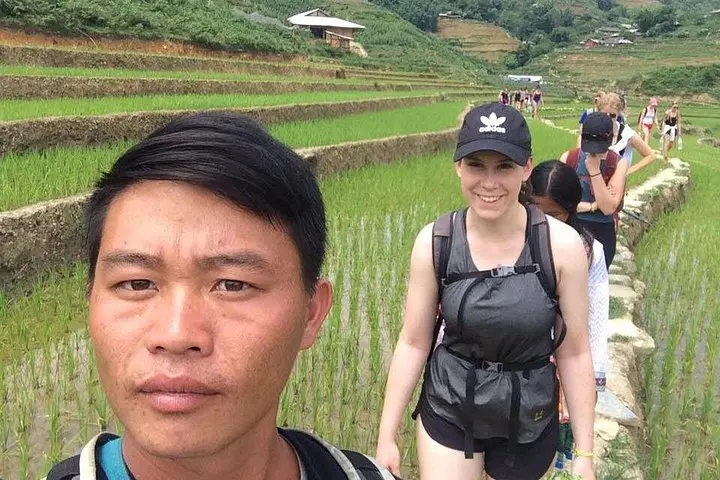
Expect a day of mixed terrain: village tracks, muddy rice-step edges, short forested climbs and sweeping viewpoint ridges. The guide’s role is both interpreter and negotiator—explaining customs, pointing out native plants, and arranging home-cooked lunches that showcase local produce.
Practically, these private tours run about 5–8 hours and commonly cover 5–12 km with variable elevation change depending on route; Sapa town sits around 1,600 m while nearby high peaks rise much higher. Bring sturdy trail shoes, layers for quick weather shifts, and cash for village purchases. Respect private homes and ask before photographing people or interiors. Hydrate, move at the village pace, and let the guide set a sustainable rhythm—here the land keeps its own time, and the best views reward patience.
Frequently asked questions
Tours are typically 5–8 hours depending on route and pace; the listed duration reflects this variable length.
No technical experience is required, but you should be comfortable walking 5–12 km on uneven terrain with moderate elevation changes.
Yes—private tours often include home-cooked lunches in village houses; always ask before photographing interiors or people.
Sapa sits around 1,600 m; weather can shift quickly with cool mornings and sudden showers—dress in layers and carry rain protection.
About This Experience
Pay Sapa Hmong operates guided outdoor trips and adventures with an emphasis on safety, stewardship, and memorable experiences.
Adventure tips
Recommended gear
- Sturdy hiking shoes: Provides traction on wet terraces, mud and uneven village paths.
- Light waterproof jacket: Protects against sudden rains and wind at higher elevations.
- Daypack with water reservoir: Keeps hands free and stores water, snacks, and layers for long day treks.
- Cash (small denominations): Needed for village purchases, tips, and small fees where cards aren’t accepted.
Photos of the experience
Related adventures & guides
Read the full experience
A pre-dawn mist lifts off the rice terraces and the slope exhales—cold, green air that moves like a living map. Walking with a Hmong guide in Sapa means following narrow footpaths carved by generations: terraces step down toward valleys, bamboo cracks underfoot, and distant ridgelines of the Hoang Lien Son range frame the sky.
A pre-dawn mist lifts off the rice terraces and the slope exhales—cold, green air that moves like a living map. Walking with a Hmong guide in Sapa means following narrow footpaths carved by generations: terraces step down toward valleys, bamboo cracks underfoot, and distant ridgelines of the Hoang Lien Son range frame the sky.
The landscape here is shaped by steep tectonic uplift and intensive mountain agriculture. Sapa developed as a French hill station in the early 20th century, but the long-term story belongs to the region’s ethnic minority communities—Hmong, Dao and others—whose weaving, terraced rice farming and seasonal migrations create the patterns visitors see.
Expect a day of mixed terrain: village tracks, muddy rice-step edges, short forested climbs and sweeping viewpoint ridges. The guide’s role is both interpreter and negotiator—explaining customs, pointing out native plants, and arranging home-cooked lunches that showcase local produce.
Practically, these private tours run about 5–8 hours and commonly cover 5–12 km with variable elevation change depending on route; Sapa town sits around 1,600 m while nearby high peaks rise much higher. Bring sturdy trail shoes, layers for quick weather shifts, and cash for village purchases. Respect private homes and ask before photographing people or interiors. Hydrate, move at the village pace, and let the guide set a sustainable rhythm—here the land keeps its own time, and the best views reward patience.
Make a day of it nearby.
Verified experiences and guided adventures in the surrounding area.