THE ADVENTURE COLLECTIVE® · Independent discovery and booking for outdoor travel

A six-hour private trek from Sapa threads high terraces, Muong Hoa Valley and ethnic villages for dramatic views and a compact cultural immersion. Practical tips on timing, footwear and etiquette help you prepare for changing mountain weather and narrow farm trails.
A six-hour private trek from Sapa threads high terraces, Muong Hoa Valley and ethnic villages for dramatic views and a compact cultural immersion. Practical tips on timing, footwear and etiquette help you prepare for changing mountain weather and narrow farm trails.
Mist sits low over the Hoang Lien Son range as you step out of Sapa town and onto a trail that threads terraces like staircases carved into the mountain. The path dips and rises through Y Linh Ho, Lao Chai and Ta Van villages, with a stream occasionally daring you to pause and listen as you walk.
Verified experiences and guided adventures in the surrounding area.
Operated by Authentic SAPA · Sapa, Lao Cai
Mist sits low over the Hoang Lien Son range as you step out of Sapa town and onto a trail that threads terraces like staircases carved into the mountain. The path dips and rises through Y Linh Ho, Lao Chai and Ta Van villages, with a stream occasionally daring you to pause and listen as you walk.
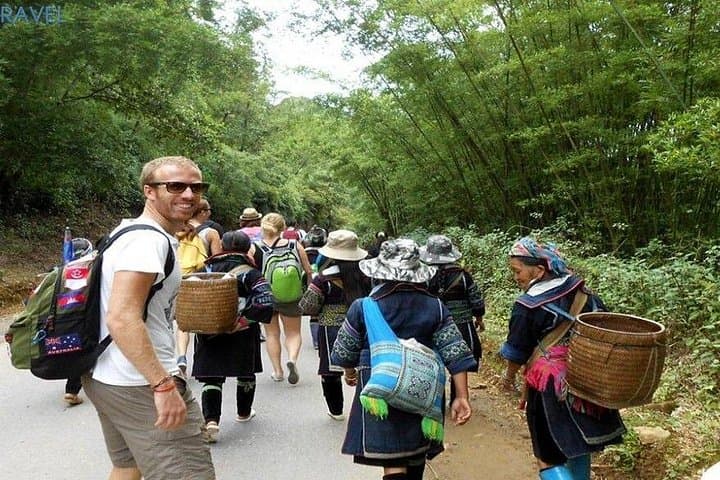
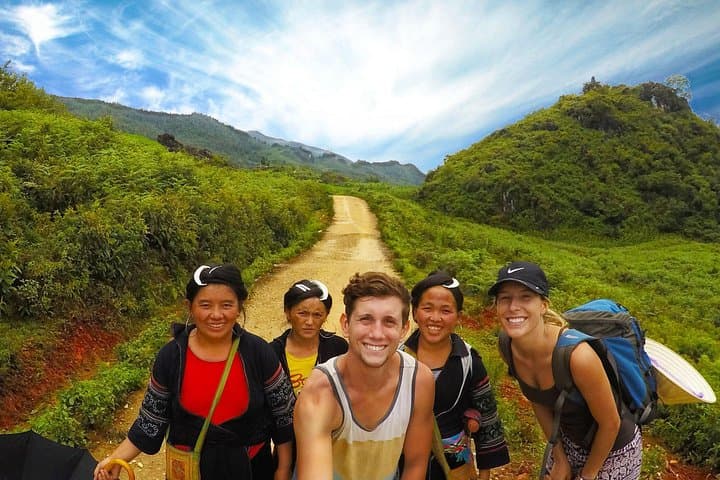
Sapa began as a French hill station in the early 20th century; its steep slopes are carved by generations of Hmong and Dao farmers into the rice terraces you see today. Geologically the area is young, uplifted by tectonic forces that created sharp ridgelines and deep valleys. Local culture is visible at every turn — woven textiles, stilted houses, and agricultural routines unchanged by time.
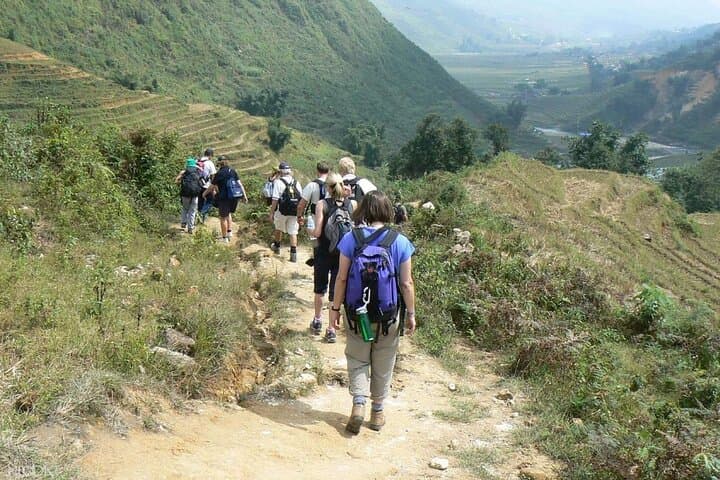
On a six-hour private trek you’ll cover gentle to moderate ascents, cross bamboo footbridges, and stand above sweeping views of the Muong Hoa Valley. The terrain is a mix of dirt tracks, packed earth, and stepped terraces; expect muddy sections after rain and narrow farm paths that demand sure footing.
Practical guide: start early to avoid midday fog and afternoon showers, bring layered clothing for variable mountain weather, and pack 1–2 liters of water and snacks. A local English-speaking guide handles logistics, lunchtime, and village etiquette — always ask before photographing people. Wear grip-soled footwear and consider trekking poles for descents. Respect private fields, follow marked paths, and tip guides and local hosts if the service was good. This day trek offers immediate landscape rewards and a concentrated cultural encounter in Sapa’s highland heart.
moderate.
6 hours.
Moderate fitness—able to walk 10–12 km over uneven terrain with some sustained uphill sections.
The trek is rated moderate—mostly well-defined trails with some uphill sections; it is suitable for most active travelers.
Sapa sits around 1,500 m; most travelers acclimatize easily, but take it steady if you are sensitive to altitude and stay hydrated.
Yes if they are reasonably mobile; notify the operator about mobility limits so guides can adjust pace and routes.
Yes—lunch, entrance fees and transport following the program are included, and pickup in Sapa town is provided.
Sapa was developed by the French as a hill station; surrounding valleys are home to Hmong, Dao and other ethnic groups with long agricultural traditions.
Terraces are maintained through traditional practices; stay on trails, avoid disturbing farmland and support local guides to minimize tourism impact.
Authentic SAPA operates guided outdoor trips and adventures with an emphasis on safety, stewardship, and memorable experiences.
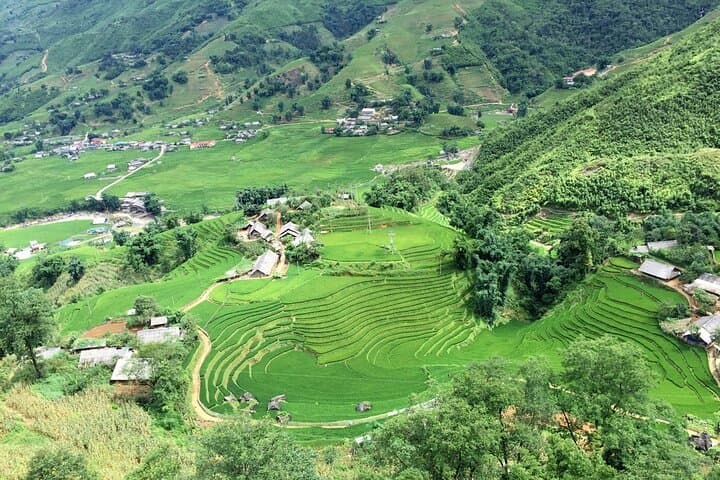
Mist sits low over the Hoang Lien Son range as you step out of Sapa town and onto a trail that threads terraces like staircases carved into the mountain. The path dips and rises through Y Linh Ho, Lao Chai and Ta Van villages, with a stream occasionally daring you to pause and listen as you walk.
Mist sits low over the Hoang Lien Son range as you step out of Sapa town and onto a trail that threads terraces like staircases carved into the mountain. The path dips and rises through Y Linh Ho, Lao Chai and Ta Van villages, with a stream occasionally daring you to pause and listen as you walk.
Sapa began as a French hill station in the early 20th century; its steep slopes are carved by generations of Hmong and Dao farmers into the rice terraces you see today. Geologically the area is young, uplifted by tectonic forces that created sharp ridgelines and deep valleys. Local culture is visible at every turn — woven textiles, stilted houses, and agricultural routines unchanged by time.
On a six-hour private trek you’ll cover gentle to moderate ascents, cross bamboo footbridges, and stand above sweeping views of the Muong Hoa Valley. The terrain is a mix of dirt tracks, packed earth, and stepped terraces; expect muddy sections after rain and narrow farm paths that demand sure footing.
Practical guide: start early to avoid midday fog and afternoon showers, bring layered clothing for variable mountain weather, and pack 1–2 liters of water and snacks. A local English-speaking guide handles logistics, lunchtime, and village etiquette — always ask before photographing people. Wear grip-soled footwear and consider trekking poles for descents. Respect private fields, follow marked paths, and tip guides and local hosts if the service was good. This day trek offers immediate landscape rewards and a concentrated cultural encounter in Sapa’s highland heart.