THE ADVENTURE COLLECTIVE® · Independent discovery and booking for outdoor travel

A full-day, private trek from Sapa that threads rice terraces, rivers and hill‑tribe villages. Guides tailor distance and difficulty while lunch and entrance fees are included, making it an efficient introduction to the Hoang Lien foothills.
A full-day, private trek from Sapa that threads rice terraces, rivers and hill‑tribe villages. Guides tailor distance and difficulty while lunch and entrance fees are included, making it an efficient introduction to the Hoang Lien foothills.
Fog clings to the terraced ridges as a small traveling group steps out of Sapa Town at 9 a.m., boots whispering on wet stone.
Verified experiences and guided adventures in the surrounding area.
Operated by Asia Travel Legend · Sapa, Lao Cai
Fog clings to the terraced ridges as a small traveling group steps out of Sapa Town at 9 a.m., boots whispering on wet stone.
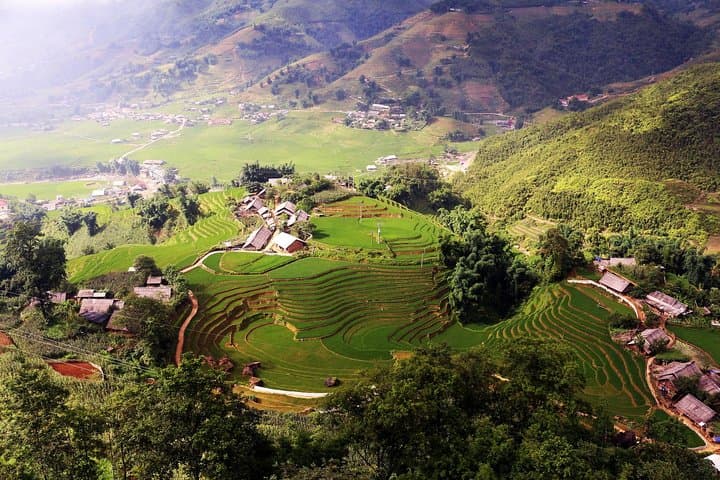
The day's six-hour loop threads bamboo-shaded paths, rice-terrace ledges and villages where wood smoke curls from kitchen fires.
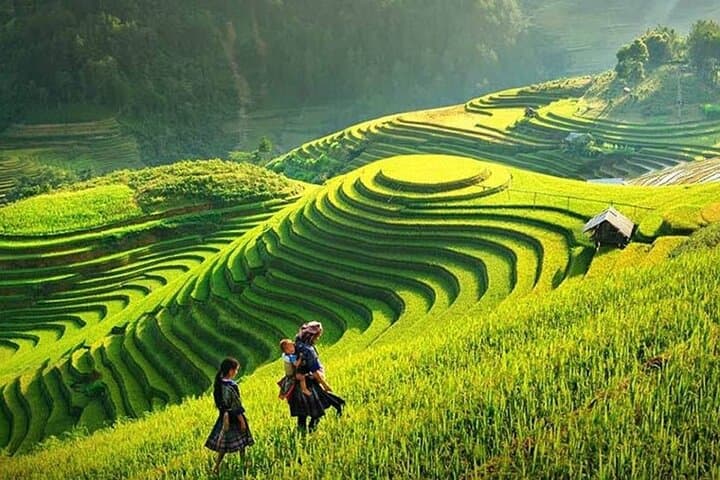
On the southern slopes of the Hoang Lien range, Sapa sits beneath Vietnam's highest peak, Fansipan, amid limestone outcrops and deeply carved valleys. Centuries of upland rice farming carved the terraces; ethnic Hmong and Dao communities have shaped local material culture and embroidery traditions you will see at homestays and markets.
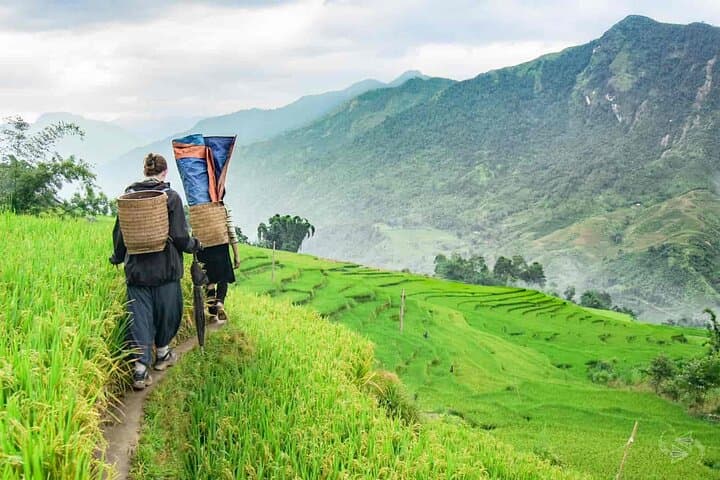
Terrain alternates between singletrack, packed dirt lanes and stepped stone, with river crossings that daringly push the pace. Typical routes cover roughly 8–12 km with up to 600 m cumulative ascent, though your guide adjusts distance and difficulty on meeting. Hiking pace is steady but unhurried; lunch in a local restaurant mid-route resets energy and offers a chance to trade stories with villagers.
This private, guided trek includes entrance fees, lunch and transportation back to Sapa by shared minivan or motorbike taxi. Expect variable weather—rain moves in quickly at higher elevations—so bring layered clothing and waterproofs, sturdy hiking shoes, and a small daypack. Hydration, sunscreen and insect protection are practical essentials.
Respect village customs: ask before photographing people and carry small bills for purchases. With a knowledgeable guide and moderate fitness, this one-day trek is a concentrated way to experience Sapa's landscapes, culture and living terraces without committing to multi-day logistics. Book morning departures for best light.
moderate.
6 hours.
Suitable for people with basic endurance — able to walk 8–12 km with some uphill sections.
Most one‑day routes last about six hours and generally cover 8–12 km with up to ~600 m cumulative ascent; exact distance is set with your guide.
Yes — routes are adaptable and the walk is moderate, but you should be comfortable on uneven terrain and some uphill sections.
Guides for this operator commonly speak English and local languages; confirm language needs at booking.
Carry small Vietnamese dong notes for snacks, market purchases and modest tips — ATMs exist in Sapa but can be limited.
Sapa grew as a French colonial hill station in the early 20th century and remains home to several ethnic minority groups whose agricultural practices shaped the terraces.
Stick to marked trails and avoid single-use plastics; heavy foot traffic and off-trail shortcuts accelerate erosion on terraces and village outskirts.
Asia Travel Legend operates guided outdoor trips and adventures with an emphasis on safety, stewardship, and memorable experiences.
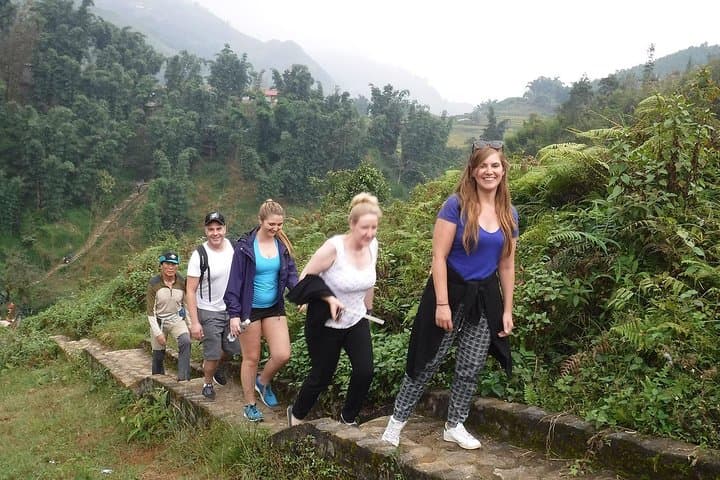
Fog clings to the terraced ridges as a small traveling group steps out of Sapa Town at 9 a.m., boots whispering on wet stone.
Fog clings to the terraced ridges as a small traveling group steps out of Sapa Town at 9 a.m., boots whispering on wet stone.
The day's six-hour loop threads bamboo-shaded paths, rice-terrace ledges and villages where wood smoke curls from kitchen fires.
On the southern slopes of the Hoang Lien range, Sapa sits beneath Vietnam's highest peak, Fansipan, amid limestone outcrops and deeply carved valleys. Centuries of upland rice farming carved the terraces; ethnic Hmong and Dao communities have shaped local material culture and embroidery traditions you will see at homestays and markets.
Terrain alternates between singletrack, packed dirt lanes and stepped stone, with river crossings that daringly push the pace. Typical routes cover roughly 8–12 km with up to 600 m cumulative ascent, though your guide adjusts distance and difficulty on meeting. Hiking pace is steady but unhurried; lunch in a local restaurant mid-route resets energy and offers a chance to trade stories with villagers.
This private, guided trek includes entrance fees, lunch and transportation back to Sapa by shared minivan or motorbike taxi. Expect variable weather—rain moves in quickly at higher elevations—so bring layered clothing and waterproofs, sturdy hiking shoes, and a small daypack. Hydration, sunscreen and insect protection are practical essentials.
Respect village customs: ask before photographing people and carry small bills for purchases. With a knowledgeable guide and moderate fitness, this one-day trek is a concentrated way to experience Sapa's landscapes, culture and living terraces without committing to multi-day logistics. Book morning departures for best light.