THE ADVENTURE COLLECTIVE® · Independent discovery and booking for outdoor travel

A full-day trek from Sapa through Lao Chai and Ta Van follows the Muong Hoa valley past dramatic rice terraces and traditional Hmong and Giay villages. Expect 6–7 hours of mixed single-track, cultural stops, and a guided lunch in the valley.
A full-day trek from Sapa through Lao Chai and Ta Van follows the Muong Hoa valley past dramatic rice terraces and traditional Hmong and Giay villages. Expect 6–7 hours of mixed single-track, cultural stops, and a guided lunch in the valley.
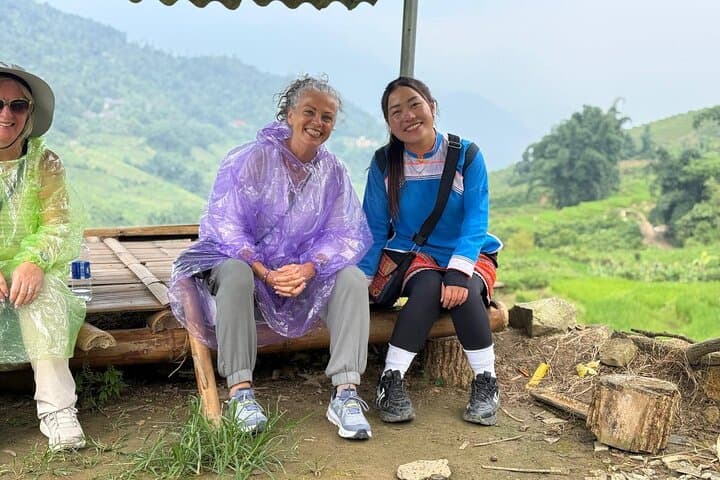
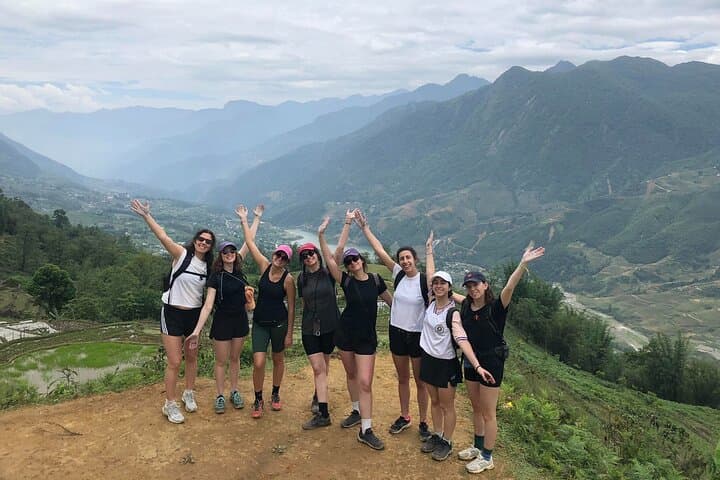
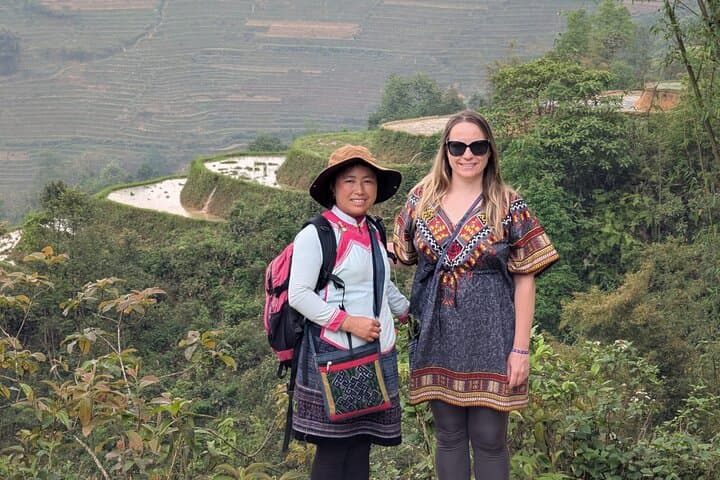
Morning mist thins over the Muong Hoa valley and a narrow trail pushes you downhill through shining terraces — the cold air from the Hoang Lien Son range still clinging to the rocks. From Sapa town you descend past stacked rice paddies, wooden houses on stilts and women in traditional Hmong dress selling woven goods at path-side stalls. The valley’s terraces angle like steps toward the mountain, and the trail alternates between packed earth, stone steps and short switchbacks.
Verified experiences and guided adventures in the surrounding area.
Operated by SaPa Local Tour Guides · Sapa, Lao Cai
Morning mist thins over the Muong Hoa valley and a narrow trail pushes you downhill through shining terraces — the cold air from the Hoang Lien Son range still clinging to the rocks. From Sapa town you descend past stacked rice paddies, wooden houses on stilts and women in traditional Hmong dress selling woven goods at path-side stalls. The valley’s terraces angle like steps toward the mountain, and the trail alternates between packed earth, stone steps and short switchbacks.
This corridor has been farmed by highland groups — primarily Hmong and Giay (Zay) communities — for generations. The Hoang Lien Son massif, whose highest peak is Fansipan, carved the steep valley and created microclimates that allow multiple rice cycles. You’ll pass traditional stilt houses, see irrigation channels that trace ancient routes, and hear stories about changing festivals, brides’ customs and how tourism is reshaping daily life.
Practically, the route is a full-day, guided village trek of roughly 6–7 hours with moderate elevation change and mostly single-track and terrace-edge footpaths. Expect muddy sections in rain, short steep climbs, and several stops for lunch and cultural exchange in Lao Chai and Ta Van. Wear grippy trail shoes, carry 1–2 liters of water, and bring small bills in Vietnamese dong for markets and tips. Respect private property, ask before photographing people, and leave no trace — these communities rely on healthy terraces and clean streams. The tour typically includes bottled water, lunch and return transport to Sapa, making it a manageable, culturally rich day for hikers with steady footing and curiosity for local life.
moderate.
6–7 hours.
Moderate fitness — comfortable walking on uneven terrain and handling short, steep sections.
The tour runs about 6–7 hours and is rated moderate — mostly walking on terraces and village trails with some short steep sections.
Yes — a village lunch and bottled water are usually provided as part of the tour package.
Bring small bills in Vietnamese dong, respectful clothing (shoulders covered), and ask before photographing people or homes.
Not recommended for those with serious mobility limitations; children can join if comfortable walking uneven paths for several hours.
The Muong Hoa valley has been cultivated by Hmong and Giay communities for centuries; Sapa later developed as a French colonial hill station in the early 20th century.
Terraced agriculture is vulnerable to erosion and increased tourist waste; visitors are encouraged to minimize litter and support locally run businesses.
SaPa Local Tour Guides operates guided outdoor trips and adventures with an emphasis on safety, stewardship, and memorable experiences.

Morning mist thins over the Muong Hoa valley and a narrow trail pushes you downhill through shining terraces — the cold air from the Hoang Lien Son range still clinging to the rocks. From Sapa town you descend past stacked rice paddies, wooden houses on stilts and women in traditional Hmong dress selling woven goods at path-side stalls. The valley’s terraces angle like steps toward the mountain, and the trail alternates between packed earth, stone steps and short switchbacks.
Morning mist thins over the Muong Hoa valley and a narrow trail pushes you downhill through shining terraces — the cold air from the Hoang Lien Son range still clinging to the rocks. From Sapa town you descend past stacked rice paddies, wooden houses on stilts and women in traditional Hmong dress selling woven goods at path-side stalls. The valley’s terraces angle like steps toward the mountain, and the trail alternates between packed earth, stone steps and short switchbacks.
This corridor has been farmed by highland groups — primarily Hmong and Giay (Zay) communities — for generations. The Hoang Lien Son massif, whose highest peak is Fansipan, carved the steep valley and created microclimates that allow multiple rice cycles. You’ll pass traditional stilt houses, see irrigation channels that trace ancient routes, and hear stories about changing festivals, brides’ customs and how tourism is reshaping daily life.
Practically, the route is a full-day, guided village trek of roughly 6–7 hours with moderate elevation change and mostly single-track and terrace-edge footpaths. Expect muddy sections in rain, short steep climbs, and several stops for lunch and cultural exchange in Lao Chai and Ta Van. Wear grippy trail shoes, carry 1–2 liters of water, and bring small bills in Vietnamese dong for markets and tips. Respect private property, ask before photographing people, and leave no trace — these communities rely on healthy terraces and clean streams. The tour typically includes bottled water, lunch and return transport to Sapa, making it a manageable, culturally rich day for hikers with steady footing and curiosity for local life.