THE ADVENTURE COLLECTIVE® · Independent discovery and booking for outdoor travel

A four-day trek from Sapa through Muong Hoa Valley to Hmong, Giay and Red Dao villages, combining rice-terrace views, homestays and cultural encounters. Ideal for hikers with moderate fitness looking to connect with local mountain life.
A four-day trek from Sapa through Muong Hoa Valley to Hmong, Giay and Red Dao villages, combining rice-terrace views, homestays and cultural encounters. Ideal for hikers with moderate fitness looking to connect with local mountain life.
You step out of Sapa Town into a cool mist that clings to the terraces; the river below dares you to follow its braided course as trails climb through bamboo and stone steps.
Verified experiences and guided adventures in the surrounding area.
Operated by Hmong Trip Adventure & Culture · Sapa, Lao Cai
You step out of Sapa Town into a cool mist that clings to the terraces; the river below dares you to follow its braided course as trails climb through bamboo and stone steps.
Across four days this trekking loop threads Muong Hoa Valley, ridge lines on the Hoang Lien Son foothills and small villages of Hmong, Giay, Red Dao and Tay communities. The landscape here reflects recent tectonics—steep folding of limestone and metamorphics—cut into stepped terraces that locals have farmed for generations. Sapa itself began as a French hill station in the early 20th century; today its history is lived in the embroidered clothing, house styles and marriage customs of the minority groups who tend rice, build stilt houses and keep traditional crafts.
Expect dirt trails, occasional wet stone steps, bamboo groves and ridge walking up to about 1,900 m elevation. Daily hiking sections are typically 6–12 km through mixed terrain, with river crossings on simple bridges and steady climbs to viewpoints above terraced fields.
Practical guidance: travel light for homestays, bring waterproof layers and a headlamp for evening use, and carry local currency for small village purchases. Hydrate often—the climbs feel steeper at altitude—and follow your guide’s pace; they manage timing for meals and homestays. Respect local customs when visiting houses and markets: ask before photographing people and accept invitations with gratitude. This route rewards steady hikers with wide mountain vistas, intimate cultural encounters and the soft rhythm of rural life in northern Vietnam.
moderate.
4 days.
Moderate—regular walkers comfortable with multi-hour days and steady climbs will manage well
The itinerary is moderate: daily sections of 6–12 km with steady ascents up to about 1,900 m—good cardiovascular fitness and stable footing are recommended.
Homestays are simple: shared bathrooms, basic bedding and locally prepared meals; expect rustic comfort and warm hospitality rather than hotel amenities.
Local guides typically speak functional English for trekking and cultural interpretation; larger groups may include bilingual guides for deeper translation.
Sapa sits around 1,500–1,900 m—mild symptoms are possible; ascend slowly, stay hydrated and notify your guide if you feel unwell.
Sapa was developed as a French hill station in the early 1900s and has long been home to Hmong, Dao, Giay and Tay communities whose agricultural terraces shape the valley.
Trails suffer erosion in wet seasons—stick to paths, avoid single-use plastics and support local homestays to channel income into village conservation.
Hmong Trip Adventure & Culture operates guided outdoor trips and adventures with an emphasis on safety, stewardship, and memorable experiences.
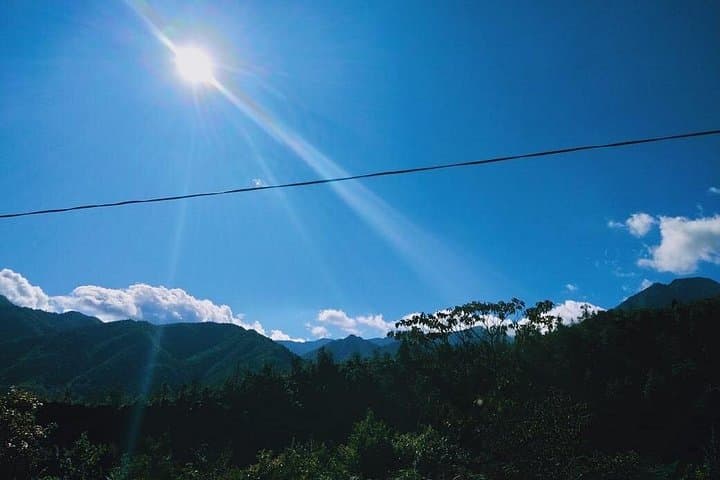
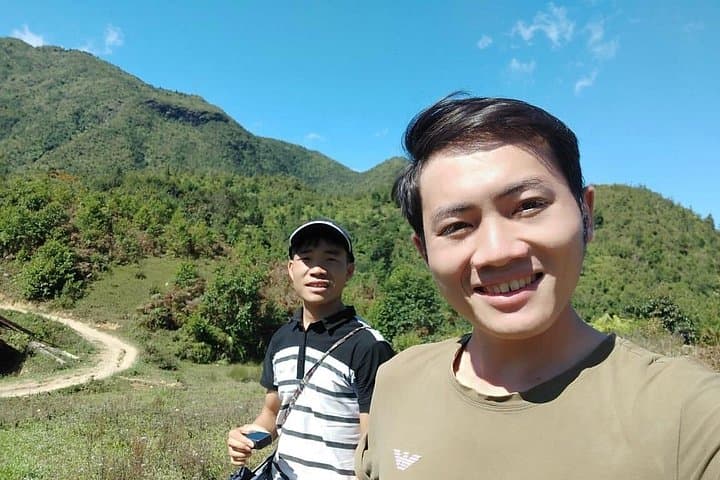
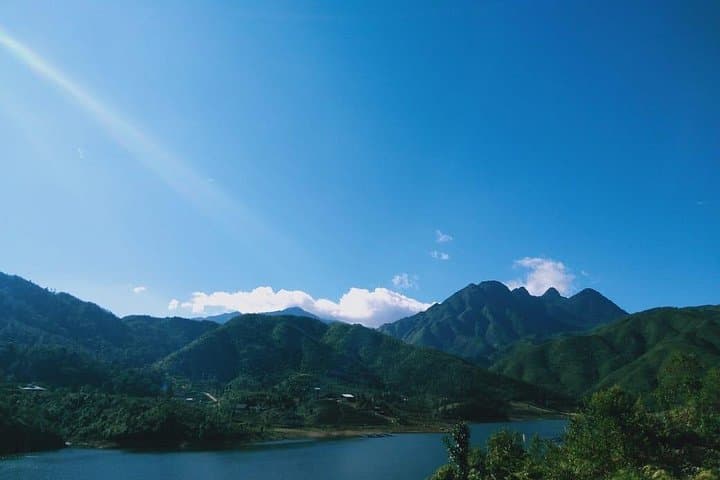
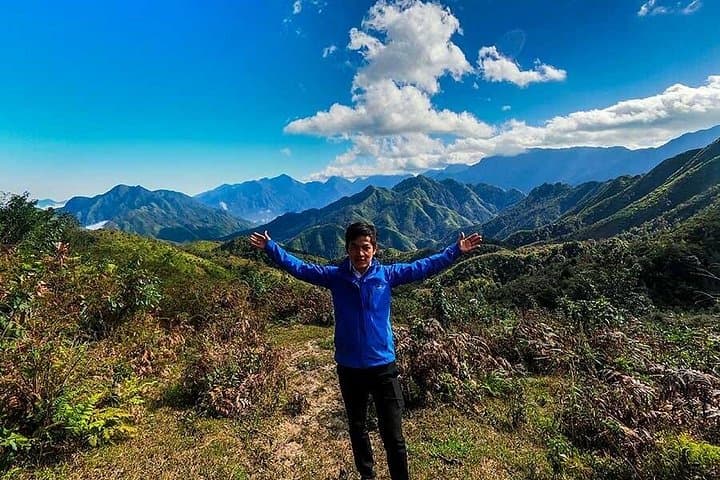
You step out of Sapa Town into a cool mist that clings to the terraces; the river below dares you to follow its braided course as trails climb through bamboo and stone steps.
You step out of Sapa Town into a cool mist that clings to the terraces; the river below dares you to follow its braided course as trails climb through bamboo and stone steps.
Across four days this trekking loop threads Muong Hoa Valley, ridge lines on the Hoang Lien Son foothills and small villages of Hmong, Giay, Red Dao and Tay communities. The landscape here reflects recent tectonics—steep folding of limestone and metamorphics—cut into stepped terraces that locals have farmed for generations. Sapa itself began as a French hill station in the early 20th century; today its history is lived in the embroidered clothing, house styles and marriage customs of the minority groups who tend rice, build stilt houses and keep traditional crafts.
Expect dirt trails, occasional wet stone steps, bamboo groves and ridge walking up to about 1,900 m elevation. Daily hiking sections are typically 6–12 km through mixed terrain, with river crossings on simple bridges and steady climbs to viewpoints above terraced fields.
Practical guidance: travel light for homestays, bring waterproof layers and a headlamp for evening use, and carry local currency for small village purchases. Hydrate often—the climbs feel steeper at altitude—and follow your guide’s pace; they manage timing for meals and homestays. Respect local customs when visiting houses and markets: ask before photographing people and accept invitations with gratitude. This route rewards steady hikers with wide mountain vistas, intimate cultural encounters and the soft rhythm of rural life in northern Vietnam.