THE ADVENTURE COLLECTIVE® · Independent discovery and booking for outdoor travel

Walk 15 km through the terraces and villages of Muong Hoa Valley with a local guide—experience rice-field panoramas, Hmong and Giay culture, and a local lunch in Lao Chai. Practical tips included for timing, footwear and fitness.
Walk 15 km through the terraces and villages of Muong Hoa Valley with a local guide—experience rice-field panoramas, Hmong and Giay culture, and a local lunch in Lao Chai. Practical tips included for timing, footwear and fitness.
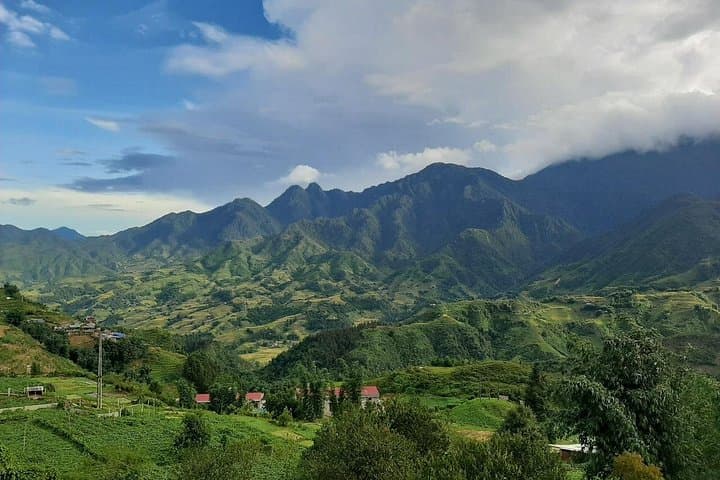
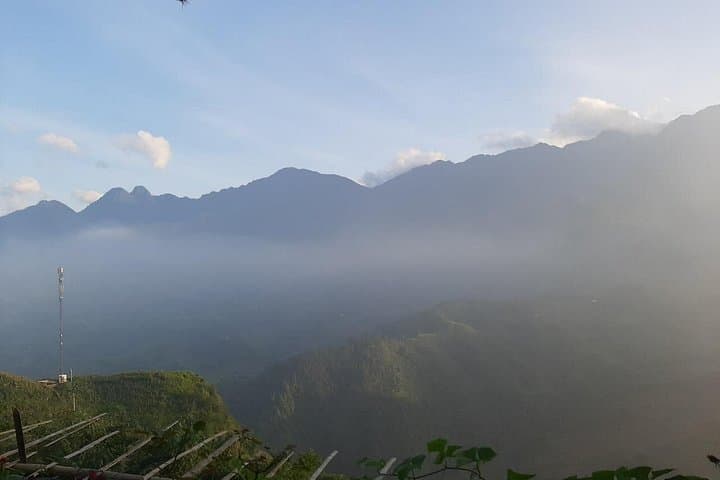
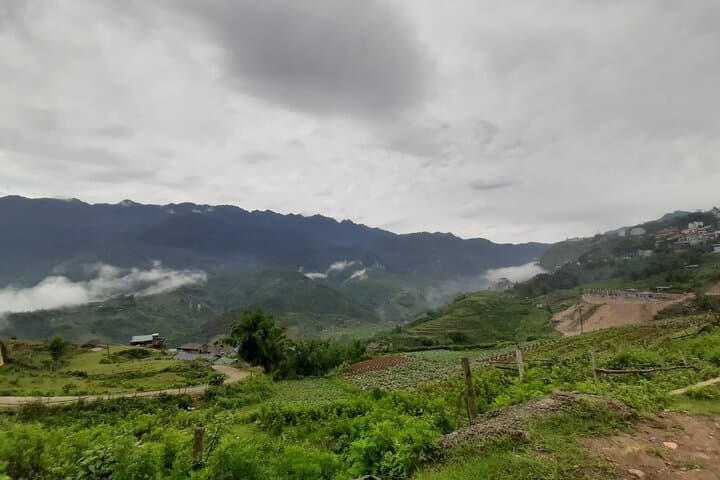
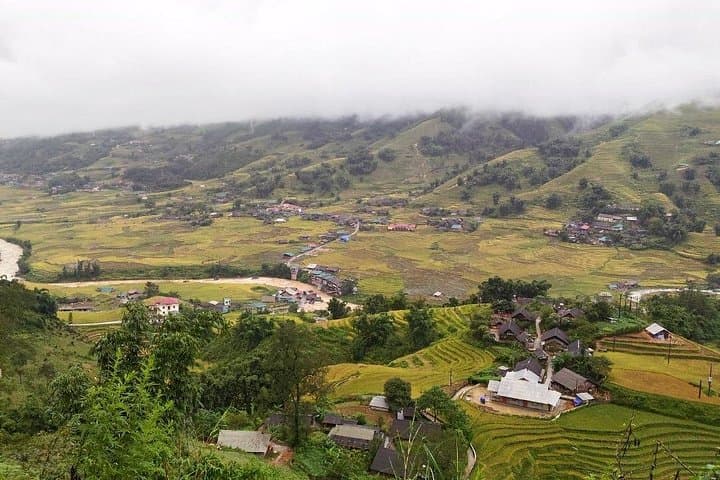
Morning mist lifts from the rice terraces as walkers set off from Sapa town, boots squelching on a packed dirt track. The Muong Hoa valley opens like a folded map of green, its terraces stepping down toward a river that dares you to follow its curve. Children wave from village paths; smoke from wood stoves threads into the cool air.
Verified experiences and guided adventures in the surrounding area.
Operated by Color Vietnam Travel · Sapa, Lao Cai
Morning mist lifts from the rice terraces as walkers set off from Sapa town, boots squelching on a packed dirt track. The Muong Hoa valley opens like a folded map of green, its terraces stepping down toward a river that dares you to follow its curve. Children wave from village paths; smoke from wood stoves threads into the cool air.
This one-day trek covers roughly 15 km of beaten village trails and terraced slopes between Y Linh Ho, Lao Chai and Ta Van. The region sits on the southeastern edge of the Hoang Lien Range, shaped by uplift and monsoon-fed erosion; Fansipan, Indochina’s highest summit, looms on the horizon and is visible on clear days. The area is home to Hmong and Giay minority communities—textile patterns, stilt houses and agricultural terraces reflect generations of rice cultivation and woven craft.
Expect steady climbs and descents over uneven trails, occasional stone steps and muddy sections after rain. Your local English-speaking guide interprets village life, points out traditional weaving, and explains irrigation and seasonal rice cycles.
Practical guidance: start early to avoid midday heat, carry at least 1–1.5 liters of water, wear grippy hiking shoes and a light rain layer. Lunch is typically a local meal in Lao Chai—plan for communal seating and simple vegetable-and-protein dishes. Mobile reception is intermittent; rely on your guide for logistics. If you suffer from back or heart issues, this tour is not recommended; moderate fitness and stable footing are required. End the day with a short transfer back to Sapa and time to browse the market for woven souvenirs.
moderate.
6–7 hours.
Moderate fitness: able to walk 15 km on uneven, sometimes steep terrain with short elevation changes
The route covers about 15 km with rolling climbs and descents over 6–7 hours; it’s classified as moderate and suits those with regular walking fitness.
Yes—lunch in Lao Chai is included and typically consists of local Vietnamese dishes featuring vegetables, rice, and a protein sourced from nearby farms.
Children with good endurance can join, but the tour is not recommended for travelers with spinal or serious heart problems due to uneven terrain and sustained walking.
Fansipan is visible on clear days; the day trek does not include the Fansipan cable car, which is a separate activity often requiring additional time and booking.
Sapa and the Muong Hoa valley have long been home to Hmong, Giay and other ethnic groups; colonial-era explorers later mapped Fansipan and introduced small-scale tourism in the 20th century.
Terraced agriculture and community tourism support local economies, but hikers should stick to trails, avoid single-use plastics and buy crafts directly to support families.
Color Vietnam Travel operates guided outdoor trips and adventures with an emphasis on safety, stewardship, and memorable experiences.
Morning mist lifts from the rice terraces as walkers set off from Sapa town, boots squelching on a packed dirt track. The Muong Hoa valley opens like a folded map of green, its terraces stepping down toward a river that dares you to follow its curve. Children wave from village paths; smoke from wood stoves threads into the cool air.
Morning mist lifts from the rice terraces as walkers set off from Sapa town, boots squelching on a packed dirt track. The Muong Hoa valley opens like a folded map of green, its terraces stepping down toward a river that dares you to follow its curve. Children wave from village paths; smoke from wood stoves threads into the cool air.
This one-day trek covers roughly 15 km of beaten village trails and terraced slopes between Y Linh Ho, Lao Chai and Ta Van. The region sits on the southeastern edge of the Hoang Lien Range, shaped by uplift and monsoon-fed erosion; Fansipan, Indochina’s highest summit, looms on the horizon and is visible on clear days. The area is home to Hmong and Giay minority communities—textile patterns, stilt houses and agricultural terraces reflect generations of rice cultivation and woven craft.
Expect steady climbs and descents over uneven trails, occasional stone steps and muddy sections after rain. Your local English-speaking guide interprets village life, points out traditional weaving, and explains irrigation and seasonal rice cycles.
Practical guidance: start early to avoid midday heat, carry at least 1–1.5 liters of water, wear grippy hiking shoes and a light rain layer. Lunch is typically a local meal in Lao Chai—plan for communal seating and simple vegetable-and-protein dishes. Mobile reception is intermittent; rely on your guide for logistics. If you suffer from back or heart issues, this tour is not recommended; moderate fitness and stable footing are required. End the day with a short transfer back to Sapa and time to browse the market for woven souvenirs.