THE ADVENTURE COLLECTIVE® · Independent discovery and booking for outdoor travel

Walk through the Muong Hoa Valley with an ethnic minority guide and spend four hours among terraced fields, traditional homes, and local tea. This half-day trek combines easy terrain with cultural stops and panoramic valley views.
Walk through the Muong Hoa Valley with an ethnic minority guide and spend four hours among terraced fields, traditional homes, and local tea. This half-day trek combines easy terrain with cultural stops and panoramic valley views.
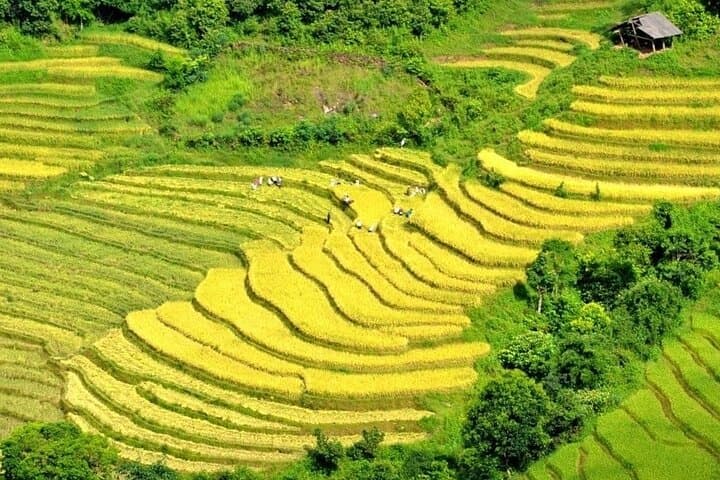
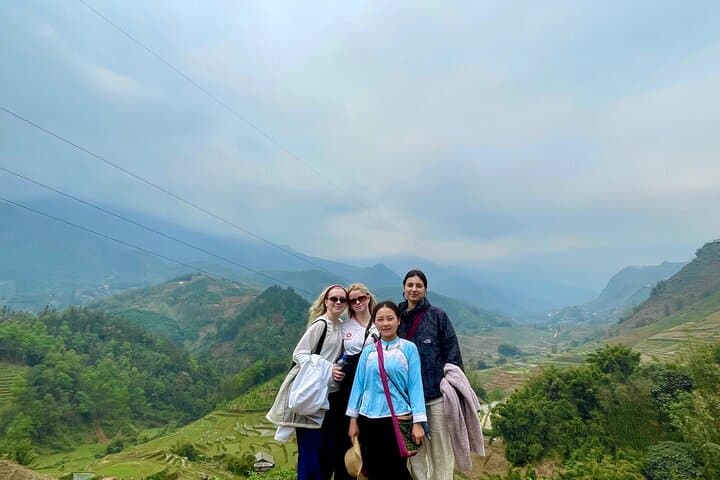
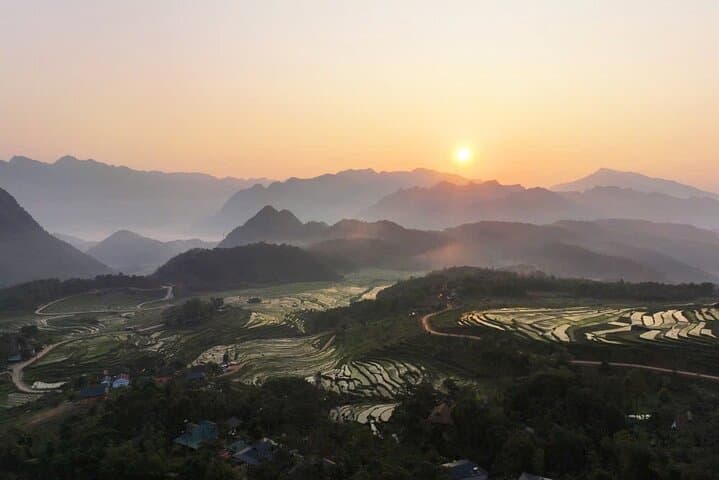
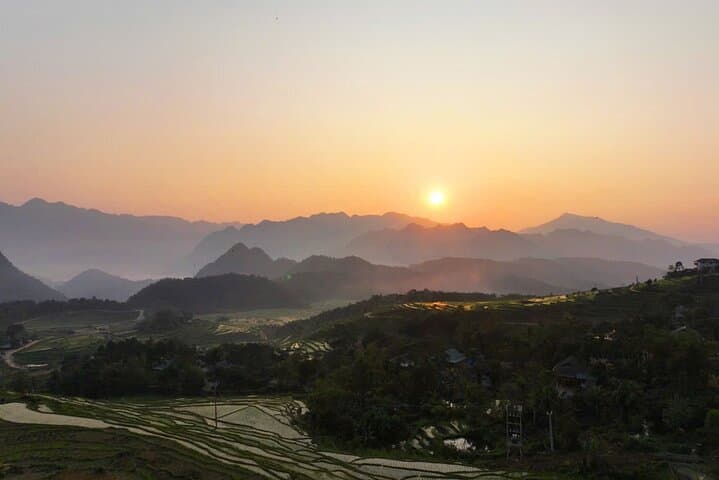
You leave Sapa’s compact market square behind as mist thins over the rice terraces and a stone track pulls you into the valley. The air smells of damp earth and tea; the terraces step down like careful breathing, and local voices rise and fall with the contour of the land. Your guide — a member of the local community — points out home-built stoves and narrow paths that only villagers use.
Verified experiences and guided adventures in the surrounding area.
Operated by Vietnam - Hanoi Package Tours · Sapa, Lao Cai
You leave Sapa’s compact market square behind as mist thins over the rice terraces and a stone track pulls you into the valley. The air smells of damp earth and tea; the terraces step down like careful breathing, and local voices rise and fall with the contour of the land. Your guide — a member of the local community — points out home-built stoves and narrow paths that only villagers use.
The Muong Hoa Valley carries layers of history: centuries of terrace engineering by Black Hmong, Red Dao, and Dzay families, and French-era trails that once linked hill stations. Geology here is dramatic but readable — steep slate ridges and alluvial terraces carved into volcanic soils that hold water like pockets. Cultural exchange is central: you’ll sip tea in a thatched house, learn differences in textile embroidery and herbal remedies, and see rice varieties still tended by hand.
Expect four hours on varied terrain: dirt tracks, stone steps, and occasional muddy patches after rain. The pace is conversational — stops for photos, tea, and short talks with hosts. Practicalities matter: closed-toe hiking shoes and a light rain layer are non-negotiable; bring cash for small purchases and modest gifts. Weather can shift quickly, so plan morning departures for clearer views and quieter trails.
This half-day trek is equal parts landscape and human story — a compact, accessible way to walk through Sapa’s agricultural rhythms while supporting local guides and communities.
easy.
4 hours.
Suitable for most fitness levels; expect steady walking with short climbs and occasional uneven steps.
Yes — the itinerary is rated easy with manageable paths; the guide adjusts pace and can arrange motorized return if needed.
The standard half-day tour typically includes a welcome drink and tea during village visits; full meals are not included.
Most operators offer hotel pick-up within Sapa; if arriving by bus, the town center is a short walk from common hotels and the market square.
These tours usually include an English-speaking guide; confirm at booking for other language needs.
Sapa developed as a French hill station in the early 20th century; ethnic minority groups have farmed the highland terraces for generations, shaping the valley's patterns.
Footpath erosion and litter are concerns — stick to trails, carry out trash, and hire local guides to keep economic benefits in the community.
Vietnam - Hanoi Package Tours operates guided outdoor trips and adventures with an emphasis on safety, stewardship, and memorable experiences.
You leave Sapa’s compact market square behind as mist thins over the rice terraces and a stone track pulls you into the valley. The air smells of damp earth and tea; the terraces step down like careful breathing, and local voices rise and fall with the contour of the land. Your guide — a member of the local community — points out home-built stoves and narrow paths that only villagers use.
You leave Sapa’s compact market square behind as mist thins over the rice terraces and a stone track pulls you into the valley. The air smells of damp earth and tea; the terraces step down like careful breathing, and local voices rise and fall with the contour of the land. Your guide — a member of the local community — points out home-built stoves and narrow paths that only villagers use.
The Muong Hoa Valley carries layers of history: centuries of terrace engineering by Black Hmong, Red Dao, and Dzay families, and French-era trails that once linked hill stations. Geology here is dramatic but readable — steep slate ridges and alluvial terraces carved into volcanic soils that hold water like pockets. Cultural exchange is central: you’ll sip tea in a thatched house, learn differences in textile embroidery and herbal remedies, and see rice varieties still tended by hand.
Expect four hours on varied terrain: dirt tracks, stone steps, and occasional muddy patches after rain. The pace is conversational — stops for photos, tea, and short talks with hosts. Practicalities matter: closed-toe hiking shoes and a light rain layer are non-negotiable; bring cash for small purchases and modest gifts. Weather can shift quickly, so plan morning departures for clearer views and quieter trails.
This half-day trek is equal parts landscape and human story — a compact, accessible way to walk through Sapa’s agricultural rhythms while supporting local guides and communities.