THE ADVENTURE COLLECTIVE® · Independent discovery and booking for outdoor travel

Walk from Y Linh Ho through Lao Chai to Ta Van and move through living rice terraces, village workshops, and hillside views. This half-day trek combines accessible trails with direct cultural encounters led by local guides.
Walk from Y Linh Ho through Lao Chai to Ta Van and move through living rice terraces, village workshops, and hillside views. This half-day trek combines accessible trails with direct cultural encounters led by local guides.
Mist lifts off terraced rice paddies as you step from Sapa’s paved streets onto a narrow dirt trail—cool air, the scent of wet earth, and a chorus of village life greeting you. The route from Y Linh Ho through Lao Chai to Ta Van lays out rice benches like steps down the mountain, with intermittent bamboo bridges and children waving from houseposts.
Verified experiences and guided adventures in the surrounding area.
Operated by DN Tour · Sapa, Lao Cai Province
Mist lifts off terraced rice paddies as you step from Sapa’s paved streets onto a narrow dirt trail—cool air, the scent of wet earth, and a chorus of village life greeting you. The route from Y Linh Ho through Lao Chai to Ta Van lays out rice benches like steps down the mountain, with intermittent bamboo bridges and children waving from houseposts.
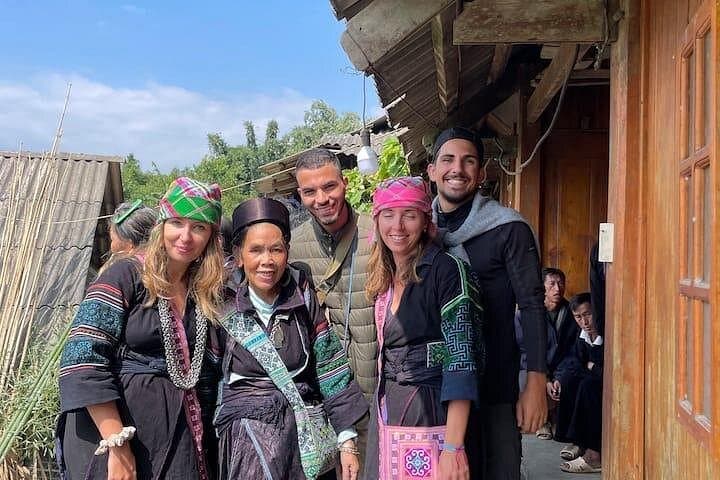
This landscape sits on the Hoang Lien Range’s rainy flank, carved by glacial and fluvial forces that created steep ridges and fertile valleys. The region is home to multiple ethnic groups—Hmong, Giay, and others—whose indigo-dyed garments and terraced farming methods reflect centuries of adaptation to steep terrain. Local homestays offer a direct window into that culture: meals of sticky rice, pickled vegetables, and stories told around a low table.
Expect steady but gentle climbs and descents, intermittent stone steps, and muddy sections after rain. Lunch is usually at a small village eatery; water and basic entrance fees are commonly included. Guides from Hau Thao village often lead, translating local life and pointing out traditional weaving, cornfields, and seasonal work in the paddies.
Practical guidance: begin early to avoid mid-afternoon clouds, wear grippy shoes for wet stones, and carry layered clothing for quickly changing mountain weather. Keep cash for small purchases in villages and respect private fields—ask before photographing people. The hike is rewarding for anyone curious about active mountain agriculture, living culture, and broad valley panoramas.
moderate.
5–6 hours.
Suitable for people with regular walking fitness—able to handle steady uphill and downhill sections and several hours on uneven trails.
The walking portion typically covers 4–6 hours including lunch and short stops, depending on pace and group size.
Yes—many local guides tailor pace for families and older walkers, but participants should be comfortable with uneven footing and multiple hours of walking.
Guides are recommended for navigation, cultural context, and to support local communities; trails are not heavily signed outside villages.
Most half-day tours include lunch and bottled water, but bring snacks and refillable bottles if you prefer more options.
The Hoang Lien Range has long supported shifting cultivation and terracing by ethnic groups; Sapa grew into a hill-station during French colonial times, shaping its mixed cultural landscape.
Travel here has direct benefits for village livelihoods, but stick to trails, avoid trampling young terraces, and minimize single-use plastic to reduce impact.
DN Tour operates guided outdoor trips and adventures with an emphasis on safety, stewardship, and memorable experiences.
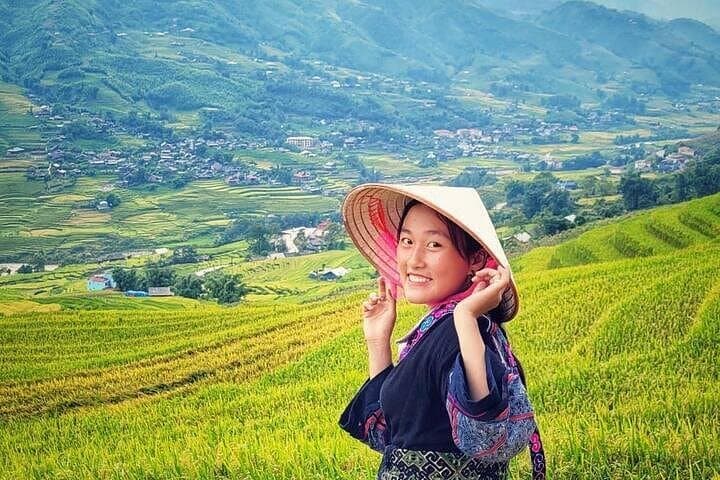
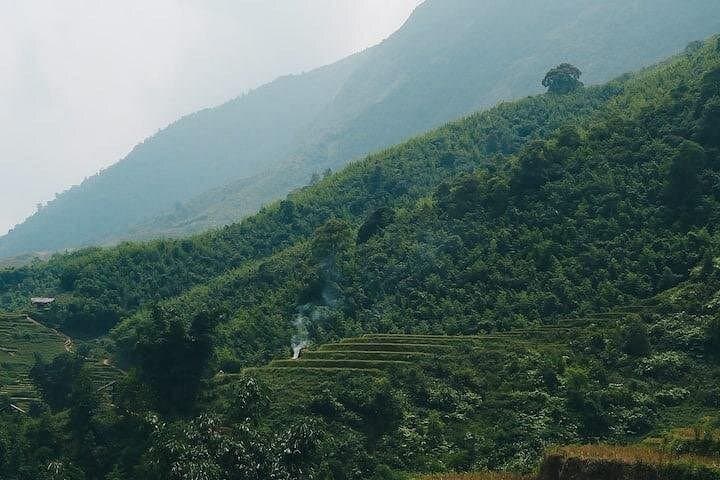

Mist lifts off terraced rice paddies as you step from Sapa’s paved streets onto a narrow dirt trail—cool air, the scent of wet earth, and a chorus of village life greeting you. The route from Y Linh Ho through Lao Chai to Ta Van lays out rice benches like steps down the mountain, with intermittent bamboo bridges and children waving from houseposts.
Mist lifts off terraced rice paddies as you step from Sapa’s paved streets onto a narrow dirt trail—cool air, the scent of wet earth, and a chorus of village life greeting you. The route from Y Linh Ho through Lao Chai to Ta Van lays out rice benches like steps down the mountain, with intermittent bamboo bridges and children waving from houseposts.
This landscape sits on the Hoang Lien Range’s rainy flank, carved by glacial and fluvial forces that created steep ridges and fertile valleys. The region is home to multiple ethnic groups—Hmong, Giay, and others—whose indigo-dyed garments and terraced farming methods reflect centuries of adaptation to steep terrain. Local homestays offer a direct window into that culture: meals of sticky rice, pickled vegetables, and stories told around a low table.
Expect steady but gentle climbs and descents, intermittent stone steps, and muddy sections after rain. Lunch is usually at a small village eatery; water and basic entrance fees are commonly included. Guides from Hau Thao village often lead, translating local life and pointing out traditional weaving, cornfields, and seasonal work in the paddies.
Practical guidance: begin early to avoid mid-afternoon clouds, wear grippy shoes for wet stones, and carry layered clothing for quickly changing mountain weather. Keep cash for small purchases in villages and respect private fields—ask before photographing people. The hike is rewarding for anyone curious about active mountain agriculture, living culture, and broad valley panoramas.