THE ADVENTURE COLLECTIVE® · Independent discovery and booking for outdoor travel

Travel by luxury limousine from Hanoi into the mist-steeped terraces of Sapa. Over three days explore Cat Cat, Y Linh Ho, Lao Chai and Ta Van villages, then ride the Fansipan cable car for panoramic summit views.
Travel by luxury limousine from Hanoi into the mist-steeped terraces of Sapa. Over three days explore Cat Cat, Y Linh Ho, Lao Chai and Ta Van villages, then ride the Fansipan cable car for panoramic summit views.
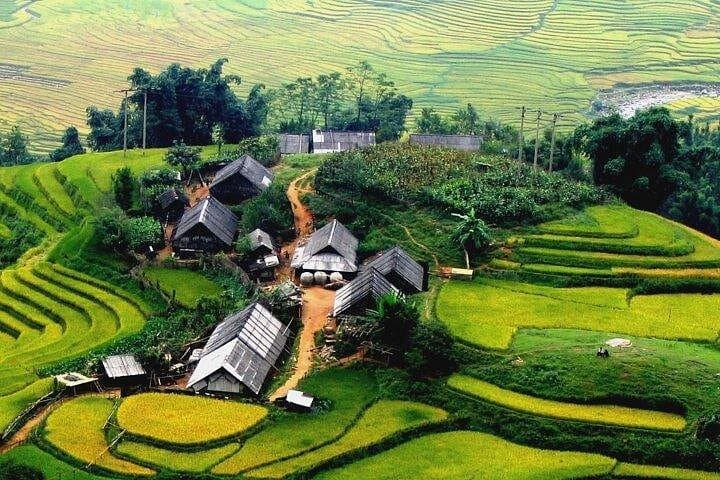
A pre-dawn limousine pulls out of Hanoi and the lowlands fall away beneath a ribbon of highway. By midday the road climbs into the Hoang Lien Son range and Sapa appears as a cluster of roofs and stacked rice terraces, mist clinging to ridgelines like a hand holding the valley.
Verified experiences and guided adventures in the surrounding area.
Operated by Tour Sapa by Bus · Sapa, Lào Cai
A pre-dawn limousine pulls out of Hanoi and the lowlands fall away beneath a ribbon of highway. By midday the road climbs into the Hoang Lien Son range and Sapa appears as a cluster of roofs and stacked rice terraces, mist clinging to ridgelines like a hand holding the valley.
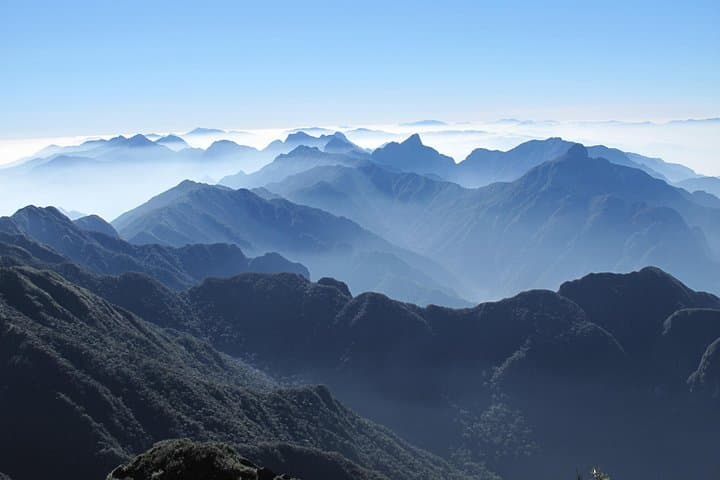
Over three days the route moves from easy village walks to higher, wilder viewpoints: a 4 km descent to Cat Cat and a further 3 km to Sin Chai where a French-era hydroelectric ruin crouches by a waterfall. Day two threads the Muong Hoa Valley—Y Linh Ho (about 7 km from town) and Lao Chai—along steep terraces and narrow village tracks that belong to Black H’mong and Dzay communities. On day three a cable car takes travelers toward Fansipan (3,143 m), the roof of Indochina, delivering broad panoramas without the full summit climb.
Geologically the region is young, uplifted by Himalayan tectonics; soils and slopes form the dramatic stepped fields. Culturally, villages are living archives—stilted houses, indigo cloth, and terraced fields worked by hand.
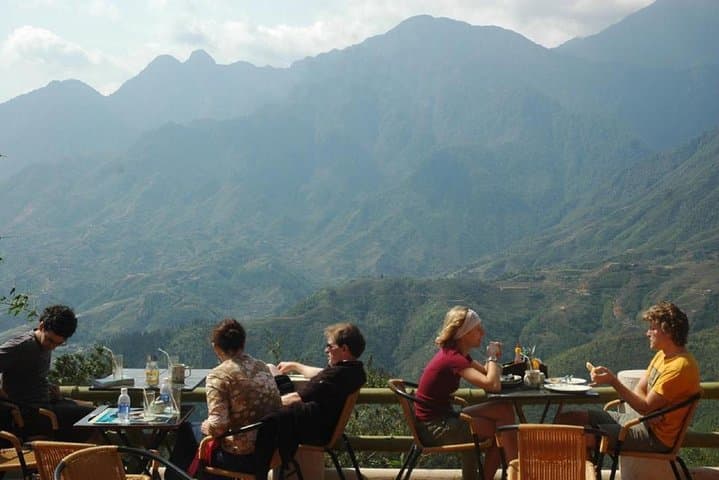
Practicalities: Sapa sits around 1,600 m elevation—expect cooler temperatures, sudden fog, and muddy trails after rain. Walks are mostly moderate: uneven stone paths, river crossings, and short steep sections. Bring sturdy hiking shoes, layered clothing, rain protection, insect repellent and local currency (VND). Allow extra time for photos and homestay stops, and be prepared for variable weather and light altitude effects. The itinerary suits travelers who want immersive village contact with comfortable lodging and the option to experience Fansipan via cable car rather than a technical climb.
moderate.
3 days.
Moderate fitness—able to walk 3–5 hours across uneven terrain and climb short steep sections; not technical.
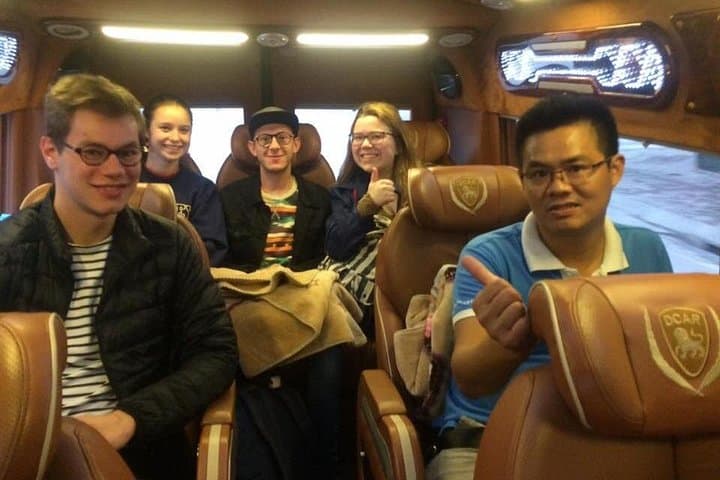
The tour includes hotel pickup in Hanoi by luxury limousine—confirm your pickup point and time when booking.
No—the itinerary uses the Fansipan cable car to reach near the summit for panoramic views; reaching the true summit requires a separate, technical climb and more time.
Walks include uneven and steep village paths; younger children or travelers with limited mobility may struggle—contact the operator to discuss accommodations or alternatives.
Pack layered clothing, waterproof shoes, rain gear, insect repellent, sunscreen, personal medications, and local currency; warm items are important at higher elevations.
Sapa shows French colonial traces—walks pass the ruins of a small hydroelectric station built during that period and villages where traditional weaving and dyeing persist.
Trails and terraces are sensitive to erosion; practice Leave No Trace, support licensed homestays, and avoid single-use plastics to reduce local impact.
Tour Sapa by Bus operates guided outdoor trips and adventures with an emphasis on safety, stewardship, and memorable experiences.
A pre-dawn limousine pulls out of Hanoi and the lowlands fall away beneath a ribbon of highway. By midday the road climbs into the Hoang Lien Son range and Sapa appears as a cluster of roofs and stacked rice terraces, mist clinging to ridgelines like a hand holding the valley.
A pre-dawn limousine pulls out of Hanoi and the lowlands fall away beneath a ribbon of highway. By midday the road climbs into the Hoang Lien Son range and Sapa appears as a cluster of roofs and stacked rice terraces, mist clinging to ridgelines like a hand holding the valley.
Over three days the route moves from easy village walks to higher, wilder viewpoints: a 4 km descent to Cat Cat and a further 3 km to Sin Chai where a French-era hydroelectric ruin crouches by a waterfall. Day two threads the Muong Hoa Valley—Y Linh Ho (about 7 km from town) and Lao Chai—along steep terraces and narrow village tracks that belong to Black H’mong and Dzay communities. On day three a cable car takes travelers toward Fansipan (3,143 m), the roof of Indochina, delivering broad panoramas without the full summit climb.
Geologically the region is young, uplifted by Himalayan tectonics; soils and slopes form the dramatic stepped fields. Culturally, villages are living archives—stilted houses, indigo cloth, and terraced fields worked by hand.
Practicalities: Sapa sits around 1,600 m elevation—expect cooler temperatures, sudden fog, and muddy trails after rain. Walks are mostly moderate: uneven stone paths, river crossings, and short steep sections. Bring sturdy hiking shoes, layered clothing, rain protection, insect repellent and local currency (VND). Allow extra time for photos and homestay stops, and be prepared for variable weather and light altitude effects. The itinerary suits travelers who want immersive village contact with comfortable lodging and the option to experience Fansipan via cable car rather than a technical climb.