THE ADVENTURE COLLECTIVE® · Independent discovery and booking for outdoor travel

Trade Hanoi’s rush for mountain air on a 2-day Sapa homestay trek through Y Linh Ho, Lao Chai and Ta Van. Learn local crafts, walk rice terraces, and spend a night with a Dzao family in the Muong Hoa Valley.
Trade Hanoi’s rush for mountain air on a 2-day Sapa homestay trek through Y Linh Ho, Lao Chai and Ta Van. Learn local crafts, walk rice terraces, and spend a night with a Dzao family in the Muong Hoa Valley.
You step off the sleeper bus into a cool mountain air that seems to push your city fatigue back toward Hanoi. Rice terraces curve like contour lines across the valley; a bamboo forest rustles and the Muong Hoa stream dares you to slow down and listen. Within an hour you’re shoulder-to-shoulder with local H’mong and Dzao traders in Sapa market, then walking along a trail that drops into Y Linh Ho and snakes past Lao Chai toward Ta Van.
Verified experiences and guided adventures in the surrounding area.
Operated by Authenitc Travel DA NANG · Sapa, Lao Cai
You step off the sleeper bus into a cool mountain air that seems to push your city fatigue back toward Hanoi. Rice terraces curve like contour lines across the valley; a bamboo forest rustles and the Muong Hoa stream dares you to slow down and listen. Within an hour you’re shoulder-to-shoulder with local H’mong and Dzao traders in Sapa market, then walking along a trail that drops into Y Linh Ho and snakes past Lao Chai toward Ta Van.
This route sits on the southeastern flanks of the Hoang Lien Son range, shaped by uplift and centuries of hand-carved terraces that cling to steep slopes. The area’s history is read in garments and language — Black H’mong, Red Dzao and Tay communities have farmed these mountains for generations, preserving distinctive houses, weaving techniques and upland rituals.
Expect mixed terrain: compact dirt, stepped terraces, bamboo tracks and occasional suspension bridges over the tributaries of Muong Hoa. Treks on this 2-day plan typically run 3–5 hours of walking each active day (roughly 7–12 km per day), with modest elevation changes but uneven footing.
Practical guidance: start early to avoid mid-day crowds, bring layered rain protection, and carry small-denomination Vietnamese dong for markets and tips. Homestays are simple—accept local schedules, remove shoes indoors, and come prepared for basic facilities. Hydrate and wear grippy footwear for wet terraces.
This trip balances cultural immersion, accessible trekking and village hospitality—ideal for travelers seeking an overnight, low-technical trek with meaningful contact with hill-tribe life.
moderate.
2 days.
Suitable for travelers in regular, moderate fitness who can walk 3–5 hours on uneven terrain; stair-climbing fitness helps.
Active trekking typically runs 3–5 hours per day, covering around 7–12 km depending on pace and side trips.
Homestays are simple village homes with shared bathrooms in some cases, basic bedding, and family-cooked meals; private rooms may be available on request.
Sapa sits around 1,500–1,600 m; most visitors experience only mild altitude effects—stay hydrated and rest if you feel off.
Yes; operators generally accommodate vegetarian, vegan and gluten-free needs if you note them when booking.
The Hoang Lien Son foothills have long been home to ethnic minorities whose terrace farming and textile crafts shaped the valley’s cultural landscape over centuries.
Increased tourism pressures the valley—stick to marked trails, avoid single-use plastics, and buy locally made goods to support community livelihoods.
Authenitc Travel DA NANG operates guided outdoor trips and adventures with an emphasis on safety, stewardship, and memorable experiences.
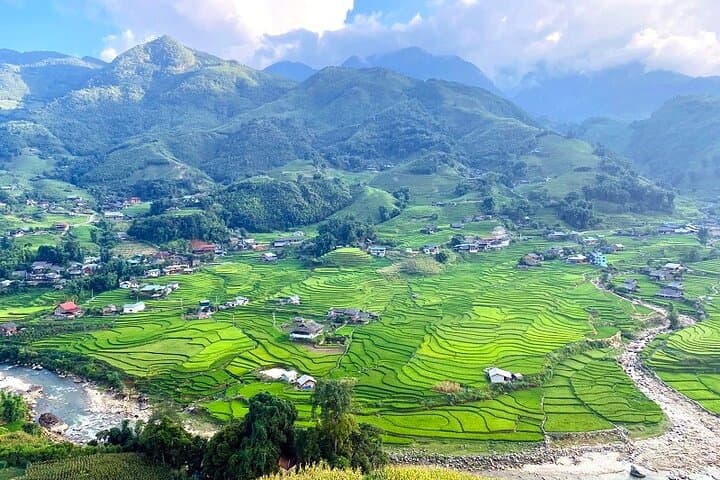
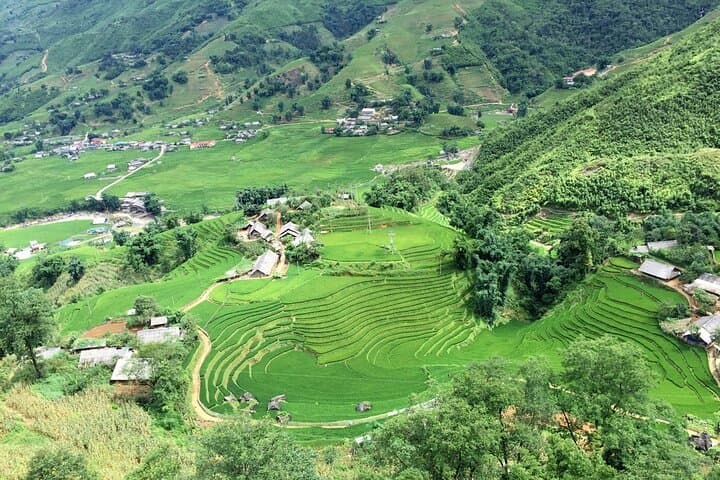
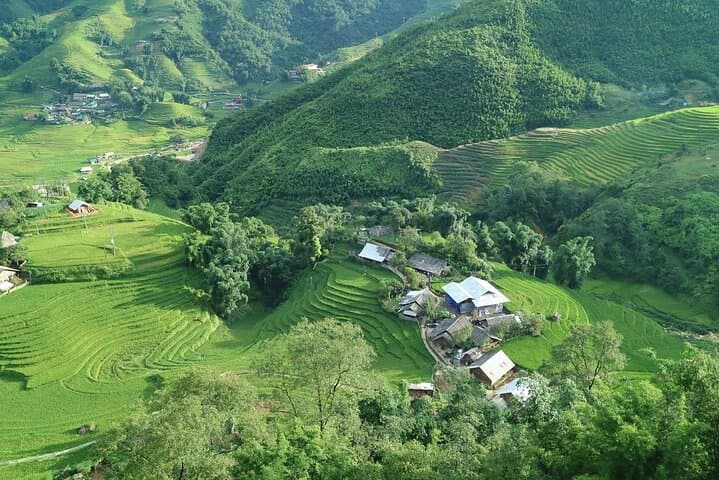
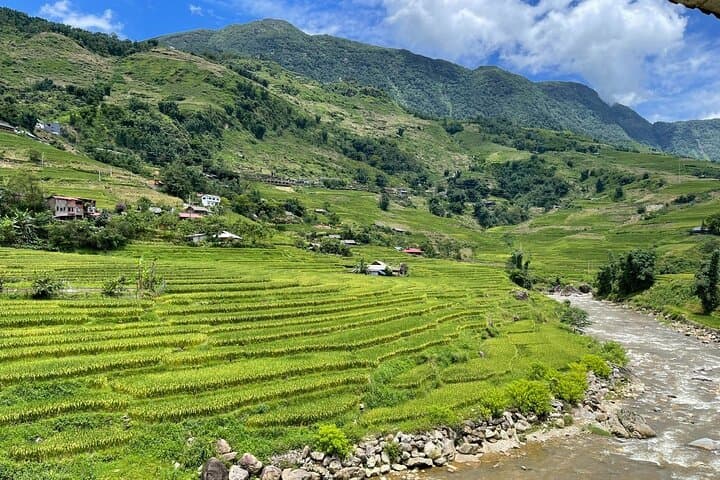
You step off the sleeper bus into a cool mountain air that seems to push your city fatigue back toward Hanoi. Rice terraces curve like contour lines across the valley; a bamboo forest rustles and the Muong Hoa stream dares you to slow down and listen. Within an hour you’re shoulder-to-shoulder with local H’mong and Dzao traders in Sapa market, then walking along a trail that drops into Y Linh Ho and snakes past Lao Chai toward Ta Van.
You step off the sleeper bus into a cool mountain air that seems to push your city fatigue back toward Hanoi. Rice terraces curve like contour lines across the valley; a bamboo forest rustles and the Muong Hoa stream dares you to slow down and listen. Within an hour you’re shoulder-to-shoulder with local H’mong and Dzao traders in Sapa market, then walking along a trail that drops into Y Linh Ho and snakes past Lao Chai toward Ta Van.
This route sits on the southeastern flanks of the Hoang Lien Son range, shaped by uplift and centuries of hand-carved terraces that cling to steep slopes. The area’s history is read in garments and language — Black H’mong, Red Dzao and Tay communities have farmed these mountains for generations, preserving distinctive houses, weaving techniques and upland rituals.
Expect mixed terrain: compact dirt, stepped terraces, bamboo tracks and occasional suspension bridges over the tributaries of Muong Hoa. Treks on this 2-day plan typically run 3–5 hours of walking each active day (roughly 7–12 km per day), with modest elevation changes but uneven footing.
Practical guidance: start early to avoid mid-day crowds, bring layered rain protection, and carry small-denomination Vietnamese dong for markets and tips. Homestays are simple—accept local schedules, remove shoes indoors, and come prepared for basic facilities. Hydrate and wear grippy footwear for wet terraces.
This trip balances cultural immersion, accessible trekking and village hospitality—ideal for travelers seeking an overnight, low-technical trek with meaningful contact with hill-tribe life.