THE ADVENTURE COLLECTIVE® · Independent discovery and booking for outdoor travel

Spend two compact days in Vietnam’s highlands: a cultural walk through Cat Cat village and a cable-car ascent to Fansipan’s summit. This short escape mixes accessible trekking, panoramic viewpoints and authentic hill-tribe encounters.
Spend two compact days in Vietnam’s highlands: a cultural walk through Cat Cat village and a cable-car ascent to Fansipan’s summit. This short escape mixes accessible trekking, panoramic viewpoints and authentic hill-tribe encounters.
Fog hangs low over rice terraces as the bus winds up from the Red River Delta, depositing you where mountain air tastes of damp stone and wood smoke. Step into Cat Cat village — narrow paths, wooden stilt houses, and the steady clack of looms — then the cable car rises above cloud and terraced green toward Fansipan’s rocky shoulder, the so-called Roof of Indochina.
Verified experiences and guided adventures in the surrounding area.
Operated by Vinadu · Sapa, Lao Cai
Fog hangs low over rice terraces as the bus winds up from the Red River Delta, depositing you where mountain air tastes of damp stone and wood smoke. Step into Cat Cat village — narrow paths, wooden stilt houses, and the steady clack of looms — then the cable car rises above cloud and terraced green toward Fansipan’s rocky shoulder, the so-called Roof of Indochina.
The northwest highlands of Vietnam are carved by rivers and human hands: steep terraces cut into limestone and shale, shaped over generations by H’Mong and Dao communities. Cat Cat still shows traces of French-era engineering — a small hydroelectric station and a stone bridge — while Fansipan’s summit offers geological contrast: exposed rock, steep scree and panoramic views across the Hoang Lien range.
Culture and landscape are inseparable here. Local guides explain traditional weaving, seasonal crops and the role of mountain pagodas, while the cable car compresses altitude gain so you can spend time hiking the summit steps rather than climbing all day.
Practical notes: the Cat Cat walk is short (about 2.5 km, mostly downhill then uphill back), uneven underfoot and can be muddy after rain. Fansipan requires a cable car ride plus roughly 600 stone steps to the peak — allow 1–2 hours at the top for photos and acclimatization. Bring layered clothing, waterproof shoes, cash for local stalls and a power bank for cameras. Travel early to avoid afternoon cloud, respect private homesteads, and follow your guide to minimize impact on fragile terraces.
moderate.
2 days.
Reasonable fitness: able to walk 2–4 hours on uneven terrain and manage ~600 steps at altitude.
The Cat Cat walk is short (about 2.5 km) but uneven; Fansipan uses a cable car plus ~600 steps—moderate fitness is sufficient.
Yes — Fansipan cable car tickets are included in the tour price and the ride takes about 20 minutes each way.
Local guides on this tour are English-speaking; bilingual assistance for other languages may not be available.
Infants may join but must sit on an adult’s lap; the trek and summit steps can be tiring for young children.
The Sapa area was developed as a hill station by the French in the early 20th century; Cat Cat retains remnants of that era alongside centuries-old ethnic traditions.
Terraced agriculture and growing tourism strain water and waste systems; stay on paths, avoid single-use plastics and hire local guides to support community-based tourism.
Vinadu operates guided outdoor trips and adventures with an emphasis on safety, stewardship, and memorable experiences.

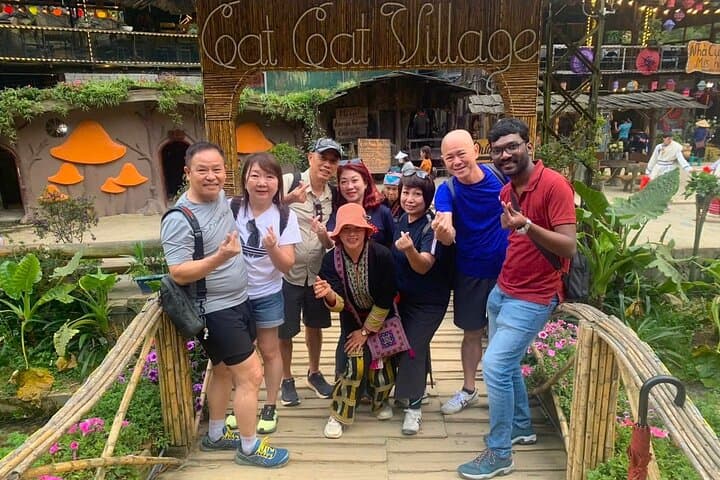
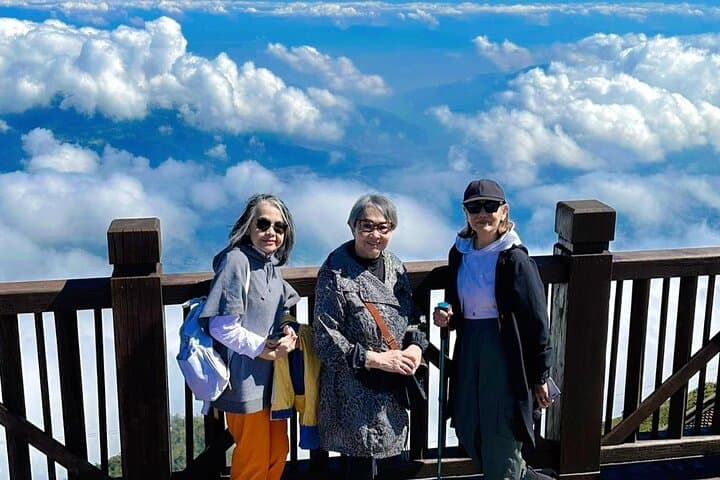

Fog hangs low over rice terraces as the bus winds up from the Red River Delta, depositing you where mountain air tastes of damp stone and wood smoke. Step into Cat Cat village — narrow paths, wooden stilt houses, and the steady clack of looms — then the cable car rises above cloud and terraced green toward Fansipan’s rocky shoulder, the so-called Roof of Indochina.
Fog hangs low over rice terraces as the bus winds up from the Red River Delta, depositing you where mountain air tastes of damp stone and wood smoke. Step into Cat Cat village — narrow paths, wooden stilt houses, and the steady clack of looms — then the cable car rises above cloud and terraced green toward Fansipan’s rocky shoulder, the so-called Roof of Indochina.
The northwest highlands of Vietnam are carved by rivers and human hands: steep terraces cut into limestone and shale, shaped over generations by H’Mong and Dao communities. Cat Cat still shows traces of French-era engineering — a small hydroelectric station and a stone bridge — while Fansipan’s summit offers geological contrast: exposed rock, steep scree and panoramic views across the Hoang Lien range.
Culture and landscape are inseparable here. Local guides explain traditional weaving, seasonal crops and the role of mountain pagodas, while the cable car compresses altitude gain so you can spend time hiking the summit steps rather than climbing all day.
Practical notes: the Cat Cat walk is short (about 2.5 km, mostly downhill then uphill back), uneven underfoot and can be muddy after rain. Fansipan requires a cable car ride plus roughly 600 stone steps to the peak — allow 1–2 hours at the top for photos and acclimatization. Bring layered clothing, waterproof shoes, cash for local stalls and a power bank for cameras. Travel early to avoid afternoon cloud, respect private homesteads, and follow your guide to minimize impact on fragile terraces.