THE ADVENTURE COLLECTIVE® · Independent discovery and booking for outdoor travel

Spend a day trekking from Lao Chai through Muong Hoa Valley’s rice terraces, bamboo forests and ancient carved stones. This private six-hour route pairs steep trail work with cultural encounters among Black Hmong villages.
Spend a day trekking from Lao Chai through Muong Hoa Valley’s rice terraces, bamboo forests and ancient carved stones. This private six-hour route pairs steep trail work with cultural encounters among Black Hmong villages.
You step out from a small homestay as mist lifts off rice terraces; footsteps sink into paths that slope toward the Muong Hoa Valley and the carved stone field that punctuates it. Over six hours you’ll thread through bamboo groves, skirt cascading paddies, cross small streams and climb steep benches—each section changing pace like a living map.
Verified experiences and guided adventures in the surrounding area.
Operated by LOCAL TOURS VIETNAM · Sapa, Lào Cai
You step out from a small homestay as mist lifts off rice terraces; footsteps sink into paths that slope toward the Muong Hoa Valley and the carved stone field that punctuates it. Over six hours you’ll thread through bamboo groves, skirt cascading paddies, cross small streams and climb steep benches—each section changing pace like a living map.
The valley carries layers of history: Black Hmong villages of Lao Chai and Ta Van hold living traditions while the valley’s mysterious carved stones—spread across a few kilometers and numbering in the hundreds—point to ancient human presence and longstanding agricultural practices. Geology here is folded limestone and terraced red soil, shaped by centuries of water, and culture is visible in embroidered textiles, stilt houses and the crop patterns etched into hills. Locals who work as guides often share oral histories and practical knowledge about planting cycles and weather.
Expect roughly 8–10 km of walking with intermittent steep climbs and 300–600 m of cumulative elevation change depending on route choices. Trails vary from packed dirt to soft, muddy sections after rain; roots and rocky steps demand sure footing. Practical planning: start early for stable light, carry 1–2 liters of water, wear sturdy treaded boots and a waterproof outer layer, and budget time for photo stops and cultural exchanges.
This private trek is as much about slow observation as it is about movement—the river daring you to pause, the terraces urging you forward—offering a full-day immersion into Sapa’s landscape and living heritage.
moderate.
6 hours.
Moderate fitness; able to hike 8–10 km with steep ascents/descents and uneven terrain.
The private tour runs about six hours and typically covers 8–10 km with intermittent steep sections; exact distance varies with the chosen route.
Travelers should have moderate fitness—steady on uneven ground and comfortable with climbs; those with serious mobility or cardiovascular issues should not attempt it.
Local guides often speak English; many treks start from homestays or lodgings in or near Lao Chai, such as Indigo Snail Boutique Homestay mentioned by operators.
The tour typically includes a local guide, an off-the-beaten itinerary, a local lunch, fruit and one bottle of water—bring extra snacks and water if you prefer.
Muong Hoa Valley contains carved stones and stelae thought to date back centuries, reflecting long-term settlement and ritual activity tied to hill agriculture.
Stick to trails, avoid touching or removing carved stones and buy goods from local families to support community-based tourism; high foot traffic can erode terraces and habitats.
LOCAL TOURS VIETNAM operates guided outdoor trips and adventures with an emphasis on safety, stewardship, and memorable experiences.
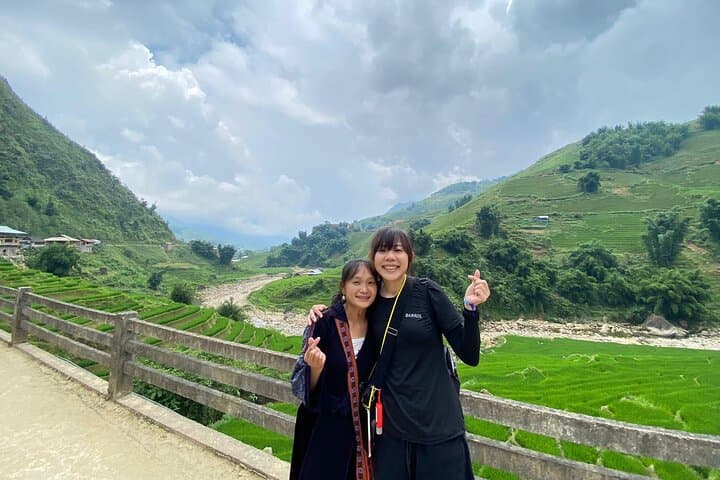
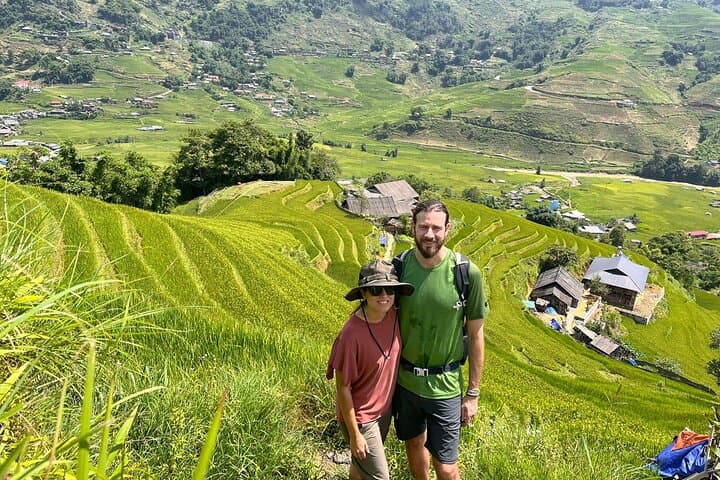
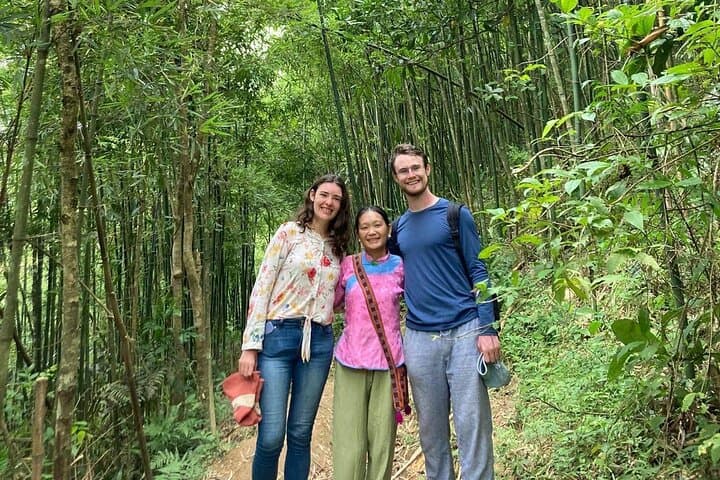
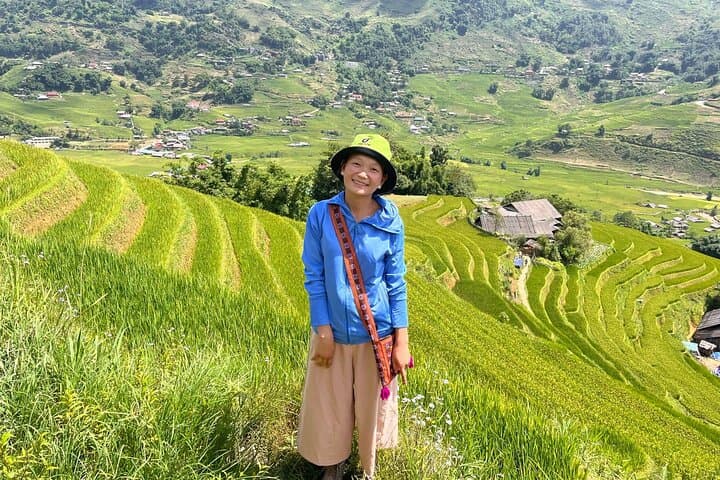
You step out from a small homestay as mist lifts off rice terraces; footsteps sink into paths that slope toward the Muong Hoa Valley and the carved stone field that punctuates it. Over six hours you’ll thread through bamboo groves, skirt cascading paddies, cross small streams and climb steep benches—each section changing pace like a living map.
You step out from a small homestay as mist lifts off rice terraces; footsteps sink into paths that slope toward the Muong Hoa Valley and the carved stone field that punctuates it. Over six hours you’ll thread through bamboo groves, skirt cascading paddies, cross small streams and climb steep benches—each section changing pace like a living map.
The valley carries layers of history: Black Hmong villages of Lao Chai and Ta Van hold living traditions while the valley’s mysterious carved stones—spread across a few kilometers and numbering in the hundreds—point to ancient human presence and longstanding agricultural practices. Geology here is folded limestone and terraced red soil, shaped by centuries of water, and culture is visible in embroidered textiles, stilt houses and the crop patterns etched into hills. Locals who work as guides often share oral histories and practical knowledge about planting cycles and weather.
Expect roughly 8–10 km of walking with intermittent steep climbs and 300–600 m of cumulative elevation change depending on route choices. Trails vary from packed dirt to soft, muddy sections after rain; roots and rocky steps demand sure footing. Practical planning: start early for stable light, carry 1–2 liters of water, wear sturdy treaded boots and a waterproof outer layer, and budget time for photo stops and cultural exchanges.
This private trek is as much about slow observation as it is about movement—the river daring you to pause, the terraces urging you forward—offering a full-day immersion into Sapa’s landscape and living heritage.