THE ADVENTURE COLLECTIVE® · Independent discovery and booking for outdoor travel

A compact, accessible trek from Sapa Town into Cat Cat Village that combines terrace views, local Hmong culture, and a short waterfall descent. Ideal for travelers seeking a half-day hike with a knowledgeable local guide.
A compact, accessible trek from Sapa Town into Cat Cat Village that combines terrace views, local Hmong culture, and a short waterfall descent. Ideal for travelers seeking a half-day hike with a knowledgeable local guide.
You step off the narrow lane from Sapa Town and the valley opens: terraces stair-step down the slope, a mountain stream threads between houses, and the air carries the faint scent of wood smoke and wet earth. The trail to Cat Cat Village drops and climbs—stone steps, compacted earth, a small wooden bridge—and the landscape feels like something that moves with you as you walk.
Verified experiences and guided adventures in the surrounding area.
Operated by Classic Tourist · Sapa, Lào Cai Province
You step off the narrow lane from Sapa Town and the valley opens: terraces stair-step down the slope, a mountain stream threads between houses, and the air carries the faint scent of wood smoke and wet earth. The trail to Cat Cat Village drops and climbs—stone steps, compacted earth, a small wooden bridge—and the landscape feels like something that moves with you as you walk.
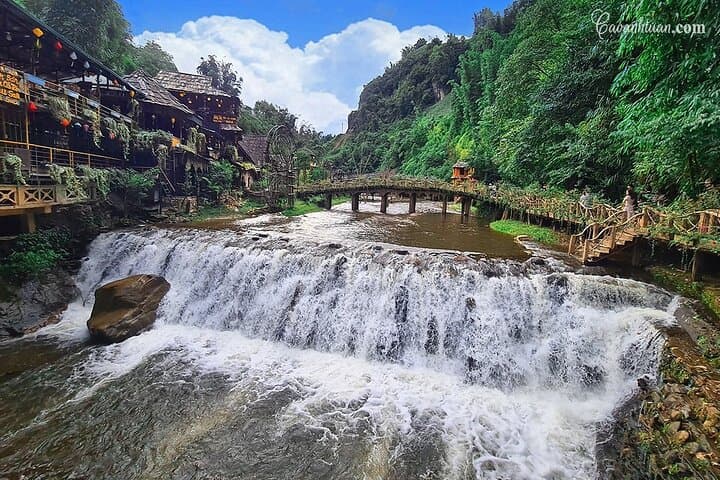
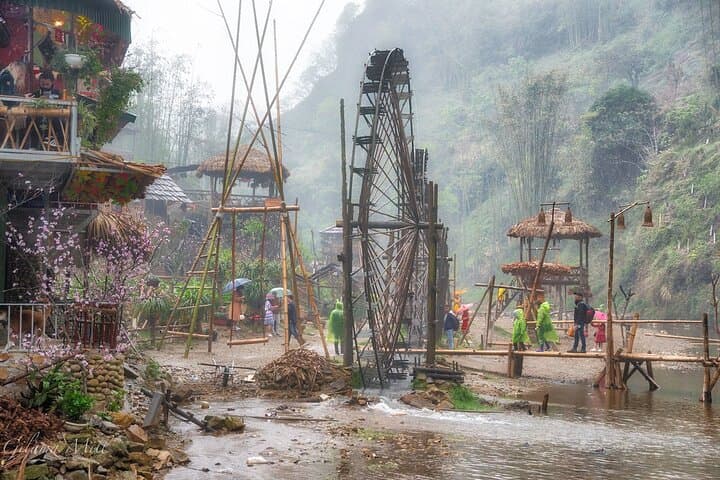
Cat Cat sits at the foot of Mount Fansipan within the Muong Hoa Valley, an area shaped by uplifted limestone and alluvial fans. The Black Hmong community here has farmed steep terraces for generations; you’ll see hand-stitched textiles, indigo-dyed fabric, and traditional wooden stilt houses. A short descent leads to an old French-built hydraulic station and a modest waterfall—geology and colonial history side by side. Local guides explain daily life, weaving techniques, and the seasonal rhythm of planting and harvest.
Practically, the trek is brief but uneven: expect about 2.5 km of walking over two hours with short steep sections and many steps. Wear grippy shoes, bring a lightweight rain shell, and keep water handy—the village has small stalls but limited facilities. Mornings and late afternoons offer the best light for photos and cooler temperatures; mid-day can be busy with other visitors. Respect private yards, ask before photographing people, and follow your guide on narrower paths.
This half-day loop is ideal as an accessible introduction to Sapa’s highlands—short, immersive, and rooted in local culture—perfect for travelers who want tangible contact with mountain life without a multi-day trek.
easy.
3–4 hours.
Suitable for travelers with light to moderate fitness—able to handle stairs and short uphill sections.
The village trek covers about 2.5 km and typically takes around 2 hours on uneven terrain.
Yes—it's rated easy and suitable for most ages, though attendees should be steady on stairs and short hills.
Entrance to Cat Cat Village is included in the tour inclusions listed by the operator.
Yes—bring small amounts of Vietnamese đồng for snacks, tea, and local handicrafts; card machines are uncommon in the village.
Cat Cat Village grew around Hmong agricultural practices and an early 20th-century French hydraulic station—traces of colonial infrastructure remain near the waterfall.
Tourism is managed to limit impact on family farms; visitors should avoid trampling terraces and carry out any trash to protect fragile soils and watercourses.
Classic Tourist operates guided outdoor trips and adventures with an emphasis on safety, stewardship, and memorable experiences.


You step off the narrow lane from Sapa Town and the valley opens: terraces stair-step down the slope, a mountain stream threads between houses, and the air carries the faint scent of wood smoke and wet earth. The trail to Cat Cat Village drops and climbs—stone steps, compacted earth, a small wooden bridge—and the landscape feels like something that moves with you as you walk.
You step off the narrow lane from Sapa Town and the valley opens: terraces stair-step down the slope, a mountain stream threads between houses, and the air carries the faint scent of wood smoke and wet earth. The trail to Cat Cat Village drops and climbs—stone steps, compacted earth, a small wooden bridge—and the landscape feels like something that moves with you as you walk.
Cat Cat sits at the foot of Mount Fansipan within the Muong Hoa Valley, an area shaped by uplifted limestone and alluvial fans. The Black Hmong community here has farmed steep terraces for generations; you’ll see hand-stitched textiles, indigo-dyed fabric, and traditional wooden stilt houses. A short descent leads to an old French-built hydraulic station and a modest waterfall—geology and colonial history side by side. Local guides explain daily life, weaving techniques, and the seasonal rhythm of planting and harvest.
Practically, the trek is brief but uneven: expect about 2.5 km of walking over two hours with short steep sections and many steps. Wear grippy shoes, bring a lightweight rain shell, and keep water handy—the village has small stalls but limited facilities. Mornings and late afternoons offer the best light for photos and cooler temperatures; mid-day can be busy with other visitors. Respect private yards, ask before photographing people, and follow your guide on narrower paths.
This half-day loop is ideal as an accessible introduction to Sapa’s highlands—short, immersive, and rooted in local culture—perfect for travelers who want tangible contact with mountain life without a multi-day trek.