THE ADVENTURE COLLECTIVE® · Independent discovery and booking for outdoor travel

A half-day motorbike tour that threads Sapa's mountain roads, stopping at rice terraces and ethnic villages like Cat Cat and Ta Van. Expect 3–4 hours of scenic riding with short village walks, local crafts, and steady mountain air.
A half-day motorbike tour that threads Sapa's mountain roads, stopping at rice terraces and ethnic villages like Cat Cat and Ta Van. Expect 3–4 hours of scenic riding with short village walks, local crafts, and steady mountain air.
Fog lifts on the Hoang Lien Son ridgeline as a pair of easy-rider motorbikes peel away from Sapa's main square. The engine hum becomes background to terraces that step down the Muong Hoa valley, water and green daring you to keep looking. Villages—Cat Cat, Y Linh Ho, Lao Chai and Ta Van—appear as clusters of wooden houses stitched into the slopes; streams push forward beside narrow roads.
Verified experiences and guided adventures in the surrounding area.
Operated by SAIGONESE TREKKING HOUSE · Sapa, Lao Cai
Fog lifts on the Hoang Lien Son ridgeline as a pair of easy-rider motorbikes peel away from Sapa's main square. The engine hum becomes background to terraces that step down the Muong Hoa valley, water and green daring you to keep looking. Villages—Cat Cat, Y Linh Ho, Lao Chai and Ta Van—appear as clusters of wooden houses stitched into the slopes; streams push forward beside narrow roads.
This half-day motorbike excursion follows routes first scouted by colonial travelers and carved by centuries of wet-rice agriculture. Geology here is limestone and metamorphic foothills; soils and seasonal irrigation form the sculpted terraces. The communities belong largely to Hmong and Giay groups; handicrafts, silverwork and woven textiles mark local culture and daily life.
Practical details: tours run about 3–4 hours, with most time in transit between short stops; Sapa sits near 1,500 meters elevation so mornings are cool. Wear a windproof layer, closed shoes for village paths, and bring a compact camera. Riders provide helmets and experienced drivers handle winding mountain roads—passengers should keep cameras secure and weight limited. Morning departures give the best light and less afternoon rain in summer; watch for slippery surfaces after rain.
Respect local culture by asking before photographing people, buy snacks or crafts locally to support families, and stay on main paths to limit erosion. The ride is accessible to most travelers looking for scenic exposure without a strenuous trek—an efficient way to see Sapa's terraces, villages, and the steady movement of mountain life and seasonal change.
easy.
3–4 hours.
Minimal fitness required; participants are passengers on motorbikes and do short walks at stops.
No, tours pair each participant with an experienced driver (easy-rider); passengers are not required to operate the bike.
Yes, standard helmets are provided by the operator—bring a lightweight cap or balaclava for comfort under the helmet.
Bottled water is included; full meals are not typically provided on the half-day tour—plan a meal in Sapa before or after.
This tour is not recommended for pregnant travelers or those with serious back or heart conditions due to road motion and stops.
Cat Cat gained notice during French colonial visits and developed as a hill retreat; terraces reflect centuries of communal irrigation and rice farming.
Tourism can accelerate footpath erosion; stick to main trails, buy local goods, and limit single-use plastics to reduce impact.
SAIGONESE TREKKING HOUSE operates guided outdoor trips and adventures with an emphasis on safety, stewardship, and memorable experiences.
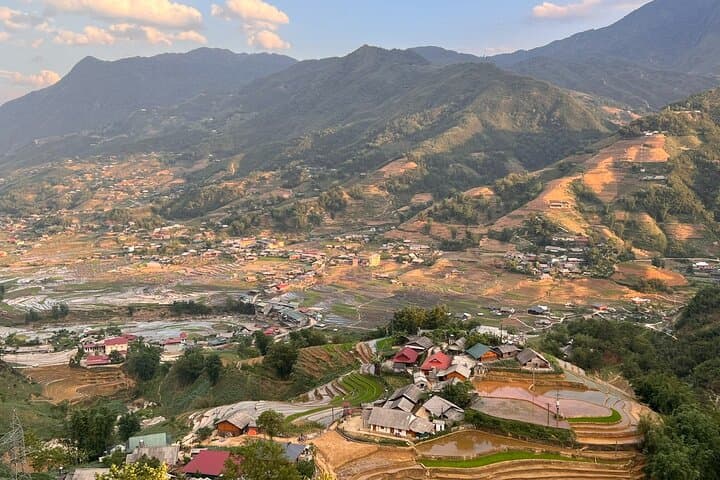
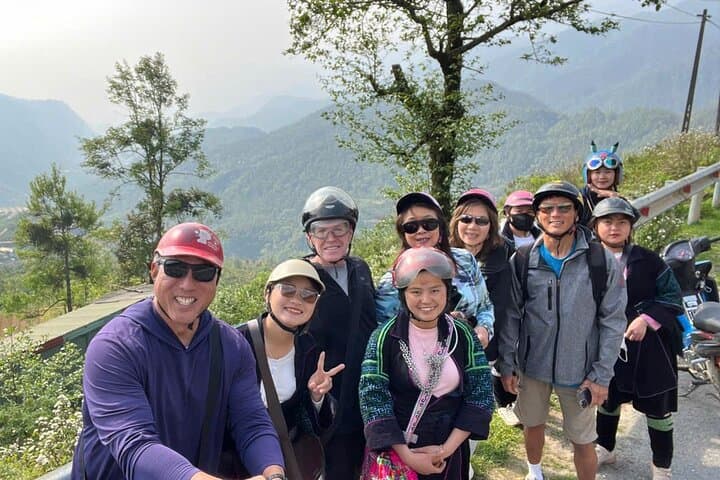
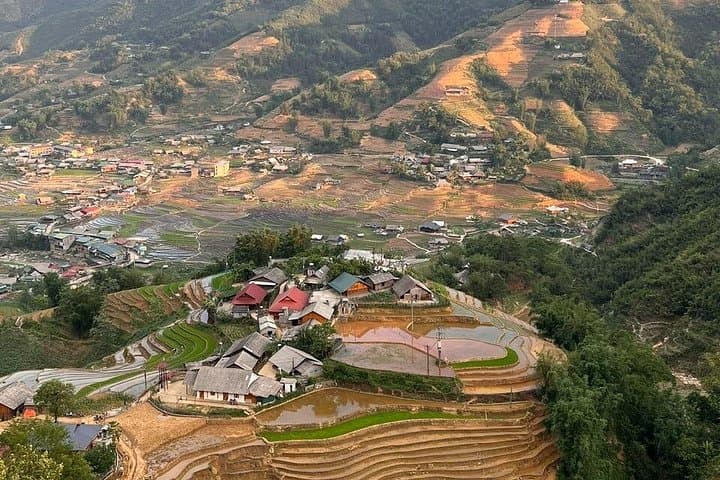
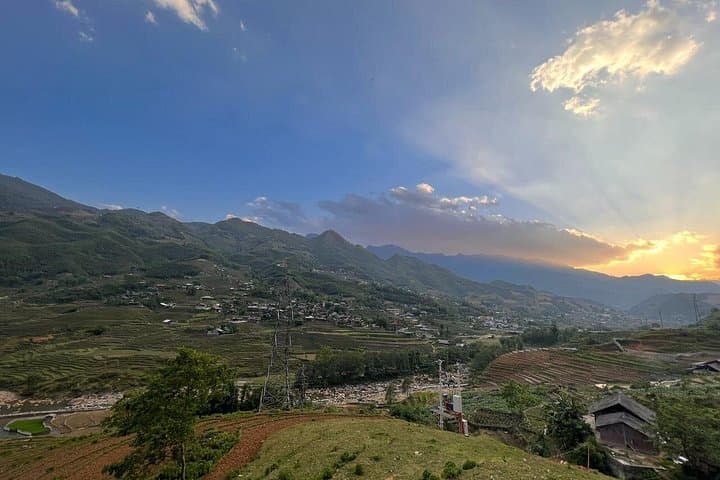
Fog lifts on the Hoang Lien Son ridgeline as a pair of easy-rider motorbikes peel away from Sapa's main square. The engine hum becomes background to terraces that step down the Muong Hoa valley, water and green daring you to keep looking. Villages—Cat Cat, Y Linh Ho, Lao Chai and Ta Van—appear as clusters of wooden houses stitched into the slopes; streams push forward beside narrow roads.
Fog lifts on the Hoang Lien Son ridgeline as a pair of easy-rider motorbikes peel away from Sapa's main square. The engine hum becomes background to terraces that step down the Muong Hoa valley, water and green daring you to keep looking. Villages—Cat Cat, Y Linh Ho, Lao Chai and Ta Van—appear as clusters of wooden houses stitched into the slopes; streams push forward beside narrow roads.
This half-day motorbike excursion follows routes first scouted by colonial travelers and carved by centuries of wet-rice agriculture. Geology here is limestone and metamorphic foothills; soils and seasonal irrigation form the sculpted terraces. The communities belong largely to Hmong and Giay groups; handicrafts, silverwork and woven textiles mark local culture and daily life.
Practical details: tours run about 3–4 hours, with most time in transit between short stops; Sapa sits near 1,500 meters elevation so mornings are cool. Wear a windproof layer, closed shoes for village paths, and bring a compact camera. Riders provide helmets and experienced drivers handle winding mountain roads—passengers should keep cameras secure and weight limited. Morning departures give the best light and less afternoon rain in summer; watch for slippery surfaces after rain.
Respect local culture by asking before photographing people, buy snacks or crafts locally to support families, and stay on main paths to limit erosion. The ride is accessible to most travelers looking for scenic exposure without a strenuous trek—an efficient way to see Sapa's terraces, villages, and the steady movement of mountain life and seasonal change.