THE ADVENTURE COLLECTIVE® · Independent discovery and booking for outdoor travel

Spend a half-day in Sa Xeng Village learning Hmong cooking, helping in gardens and joining traditional games. This hands-on visit combines a 2.5 km walk from Sa Pa with immersive cultural exchange and light farm work.
Spend a half-day in Sa Xeng Village learning Hmong cooking, helping in gardens and joining traditional games. This hands-on visit combines a 2.5 km walk from Sa Pa with immersive cultural exchange and light farm work.
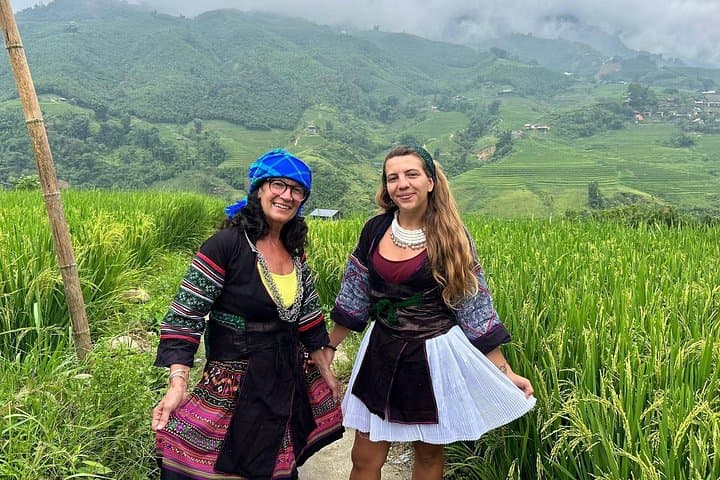
Morning light slides down the mountains as you leave Sa Pa Market and walk toward Sa Xeng Village — terraces and vegetable gardens unfolding with each step. The trail is short but decisive: 2.5 km of switchbacks, stone tracks and village lanes that bring the mountains into conversation with daily life.
Verified experiences and guided adventures in the surrounding area.
Operated by SaPa Local Tour Guides · Sa Pa, Lao Cai
Morning light slides down the mountains as you leave Sa Pa Market and walk toward Sa Xeng Village — terraces and vegetable gardens unfolding with each step. The trail is short but decisive: 2.5 km of switchbacks, stone tracks and village lanes that bring the mountains into conversation with daily life.
Sa Xeng sits within the cultural landscape of the Hmong people, a highland community with centuries of upland agriculture, textile craft and oral history. The geology here is folded, weathered limestone and shale that creates pockets of rich soil used for small-scale gardens; streams carve narrow gullies that guide irrigation. Villagers still tend plots by hand, keep buffalo and goats, and play traditional games that reveal social rhythms as much as skill.
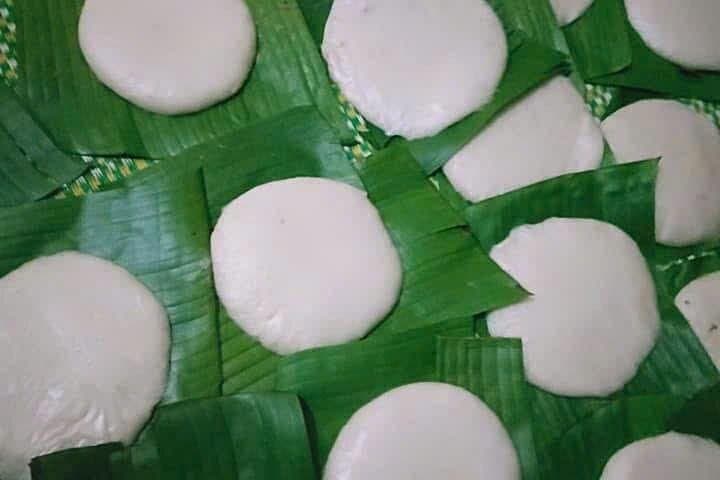
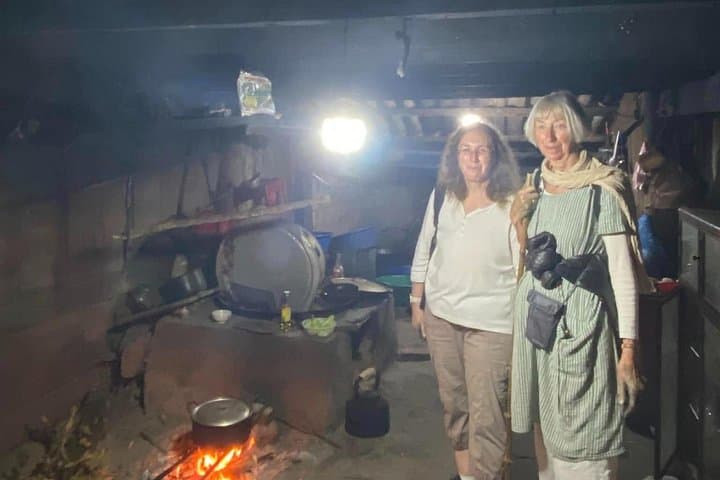
On this half-day visit you cook with a local family — making sticky rice, bánh dày or a Hmong corn dish — and then move into garden chores: harvesting, watering and meeting livestock. The work is tactile, the lessons immediate; your guide translates cultural context and stories about seasonal planting, rice cycles and community festivals.
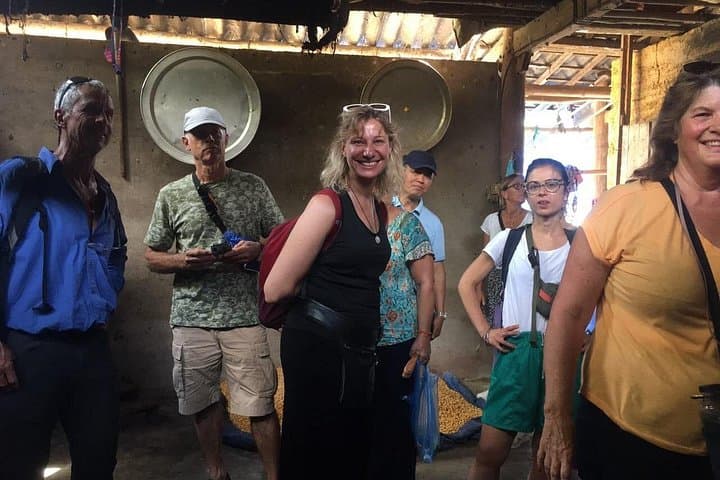
Practical notes: expect 4–5 hours total, uneven ground and light farm labor. Wear sturdy shoes, bring sun protection, and plan for variable mountain weather. Respect household routines, ask before photographing people, and carry small cash for gifts. This is less a sightseeing stop and more an invitation to live a few hours of village life, learning skills and stories that stick with you long after the trail returns to town.
moderate.
4–5 hours.
Comfortable for travelers with moderate fitness; involves a 2.5 km walk and light agricultural tasks that require bending and standing.
About 2.5 km on mixed stone and dirt paths; allow 45–75 minutes depending on pace and photo stops.
A brunch of the dishes you prepare is included; tell the operator your dietary needs when booking and they’ll adapt ingredients where possible.
Children who can walk the route and participate are welcome; infants must sit on a caregiver’s lap and the activity involves farm tasks that may not suit very young children.
Moderate fitness is recommended—expect uphill and uneven surfaces plus light agricultural work that involves standing and bending.
The Hmong have farmed the Hoang Lien range for generations; Sa Pa grew into a colonial hill station in the early 20th century, influencing local trade and settlement patterns.
Small-scale agriculture here depends on sustainable water use and ridge contour farming; visitors should avoid single-use plastics and stay on paths to prevent erosion.
SaPa Local Tour Guides operates guided outdoor trips and adventures with an emphasis on safety, stewardship, and memorable experiences.
Morning light slides down the mountains as you leave Sa Pa Market and walk toward Sa Xeng Village — terraces and vegetable gardens unfolding with each step. The trail is short but decisive: 2.5 km of switchbacks, stone tracks and village lanes that bring the mountains into conversation with daily life.
Morning light slides down the mountains as you leave Sa Pa Market and walk toward Sa Xeng Village — terraces and vegetable gardens unfolding with each step. The trail is short but decisive: 2.5 km of switchbacks, stone tracks and village lanes that bring the mountains into conversation with daily life.
Sa Xeng sits within the cultural landscape of the Hmong people, a highland community with centuries of upland agriculture, textile craft and oral history. The geology here is folded, weathered limestone and shale that creates pockets of rich soil used for small-scale gardens; streams carve narrow gullies that guide irrigation. Villagers still tend plots by hand, keep buffalo and goats, and play traditional games that reveal social rhythms as much as skill.
On this half-day visit you cook with a local family — making sticky rice, bánh dày or a Hmong corn dish — and then move into garden chores: harvesting, watering and meeting livestock. The work is tactile, the lessons immediate; your guide translates cultural context and stories about seasonal planting, rice cycles and community festivals.
Practical notes: expect 4–5 hours total, uneven ground and light farm labor. Wear sturdy shoes, bring sun protection, and plan for variable mountain weather. Respect household routines, ask before photographing people, and carry small cash for gifts. This is less a sightseeing stop and more an invitation to live a few hours of village life, learning skills and stories that stick with you long after the trail returns to town.